Choosing Healthier Foods: Small Swaps for Big Impact
Eating healthily doesn't have to mean abandoning your favorite foods. With a few strategic swaps, you can significantly improve your energy, recovery, body composition, and overall health. When shopping, focus on foods with simple ingredient lists, minimal added sugars, and fewer artificial additives and preservatives. Opt for higher protein and fiber content, and choose whole-food ingredients whenever you can.
Why This Matters
Small, consistent changes in your food choices can lead to substantial long-term benefits. You don’t need to overhaul your entire diet or buy the most expensive products. Instead, making better choices more often and building sustainable habits is key. Healthy eating should be enjoyable, realistic, and sustainable. Small swaps can add up to significant improvements over time.
Comparing Healthy Food Options
Coconut Water
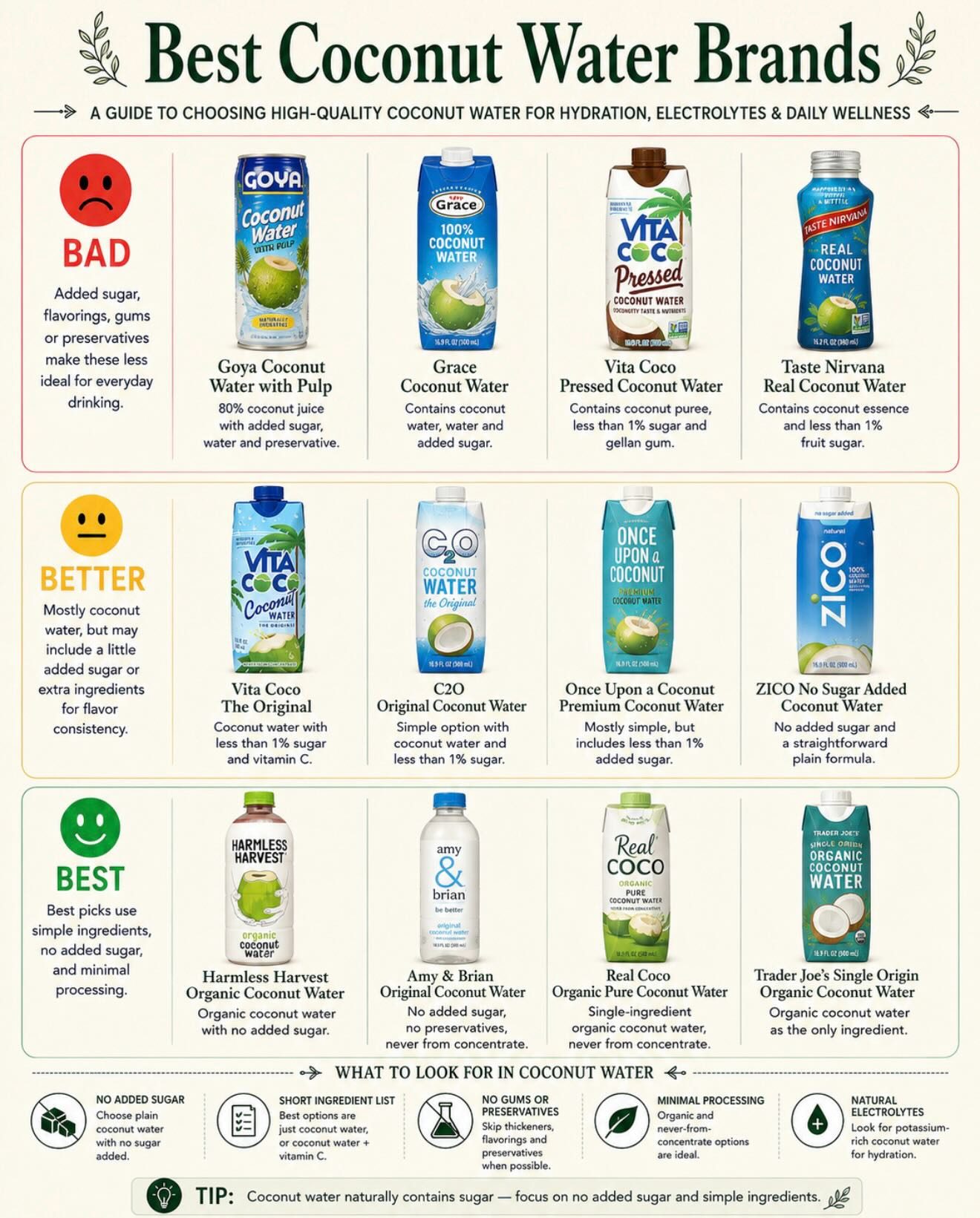
Coconut water is a popular choice for hydration, but not all brands are created equal. When selecting coconut water, prioritize brands with minimal additives. Here’s a quick guide:
- Best: Opt for 100% pure coconut water with no added sugar, preservatives, or artificial flavors. Brands like Goya, Grace, and Vita Coco offer options that are free from these additives, making them ideal for daily consumption.
- Better: Some brands may contain small amounts of added sugar or preservatives. While not perfect, these can still be a decent choice if you can't find a purely natural option.
- Bad: Avoid brands with high sugar content, artificial flavors, and preservatives. These can negate the health benefits of coconut water.
Ground Beef
Ground beef is a staple in many diets, but the quality can vary widely. When choosing ground beef, consider the following:
- Best: Look for lean, grass-fed options. Brands like Kroger, Laura's Lean, and Grass-Fed Angus often provide higher-quality meat with better fat content and more ethical sourcing practices. Opt for 80% lean / 20% fat ratios for a good balance of flavor and health benefits.
- Better: Conventional ground beef with 80% lean / 20% fat can still be a good choice, especially if grass-fed options are not available. Just be mindful of additives and sourcing practices.
- Bad: Avoid heavily processed ground beef with added preservatives and high fat content. These options are often lower in quality and can contain more additives.
Iced Tea
Iced tea is a refreshing beverage, but many brands are high in sugar and artificial ingredients. Here’s how to choose a healthier option:
- Best: Choose iced teas made with real tea concentrate and minimal added sugar. Brands like Lipton and Arizona offer options with natural flavors and lower sugar content.
- Better: Some brands may contain a mix of natural and artificial ingredients. While not the best choice, they can still be a better option if you're looking to cut down on synthetic additives.
- Bad: Avoid iced teas that are high in sugar and artificial ingredients. These can be detrimental to your health and are often syrupy in texture.
Practical Tips for Healthier Food Choices
Read the Labels
Always check the ingredient list and nutrition facts. Look for shorter ingredient lists, minimal added sugars, and fewer artificial additives. The simpler the ingredient list, the better.
Opt for Whole Foods
Whenever possible, choose whole-food ingredients. Fresh fruits, vegetables, lean proteins, and whole grains are the foundation of a healthy diet.
Stay Consistent
Consistency is key. Small, consistent swaps can lead to significant long-term benefits. Don’t try to change everything at once; focus on gradual improvements.
Use Reward Systems
Tools like the Workit app can help you track your progress and earn rewards for healthy choices. This can make maintaining a healthy lifestyle more enjoyable and sustainable.
Important Takeaways
Healthy eating is about making better choices more often. Small swaps in your food choices can have a big impact on your overall health and well-being. Focus on simplicity, minimal additives, and whole-food ingredients. Use tools and apps to track your progress and stay motivated.
Conclusion
Eating healthily doesn’t have to be a daunting task. By making small, consistent swaps and focusing on high-quality ingredients, you can improve your energy, recovery, and overall health. Whether you’re choosing coconut water, ground beef, or iced tea, always opt for the least processed and most natural options. Remember, progress comes from making better choices more often and building habits you can maintain. Enjoy the journey toward a healthier you, one better choice at a time.
Watch the Reel
Questions readers ask
What are some examples of clean ingredient foods I should look for?
Clean ingredient foods are those with simple, recognizable ingredients. Look for items with short ingredient lists, such as fruits, vegetables, whole grains, lean proteins, and healthy fats. Examples include apples, brown rice, grilled chicken breast, and avocados. These foods are minimally processed and free from artificial additives.
How can I increase protein intake during grocery shopping?
To boost your protein intake, opt for lean meats like grilled chicken or turkey breast and ground turkey instead of beef. Additionally, choose plant-based proteins such as lentils, chickpeas, and tofu. Greek yogurt is another excellent high-protein option that can be used in various recipes or as a snack. Don't forget about protein powder, which can be used in shakes and smoothies.
What are some high-fiber food swaps I can make?
High-fiber foods can help improve your digestion and overall wellness. Swap refined grains for whole grains, such as brown rice instead of white rice. Choose whole-wheat bread and pasta over their refined counterparts. Incorporate more fruits and vegetables into your meals, and consider snacking on nuts and seeds, which are packed with fiber and healthy fats.
How can I reduce artificial additives in my diet?
To minimize artificial additives, focus on whole foods and read nutrition labels carefully. Avoid processed foods with long ingredient lists that include artificial colors, flavors, and preservatives. Opt for fresh, whole foods like fruits, vegetables, and lean proteins. When buying packaged foods, choose brands that prioritize natural, clean ingredients.
What are some healthier beverage alternatives to soda and sugary drinks?
For healthier beverage alternatives, try infusing water with fruits and herbs for a refreshing, sugar-free drink. Opt for sugar-free iced tea, which offers a flavorful, low-calorie option. Coconut water is another beneficial choice, providing natural electrolytes and hydrating properties. Additionally, consider sparkling water with a squeeze of lime or lemon for a bubbly, sugar-free beverage.
Recent articles
Fresh deep dives from the latest Reels we unpacked.




Comments
Be the first to comment.