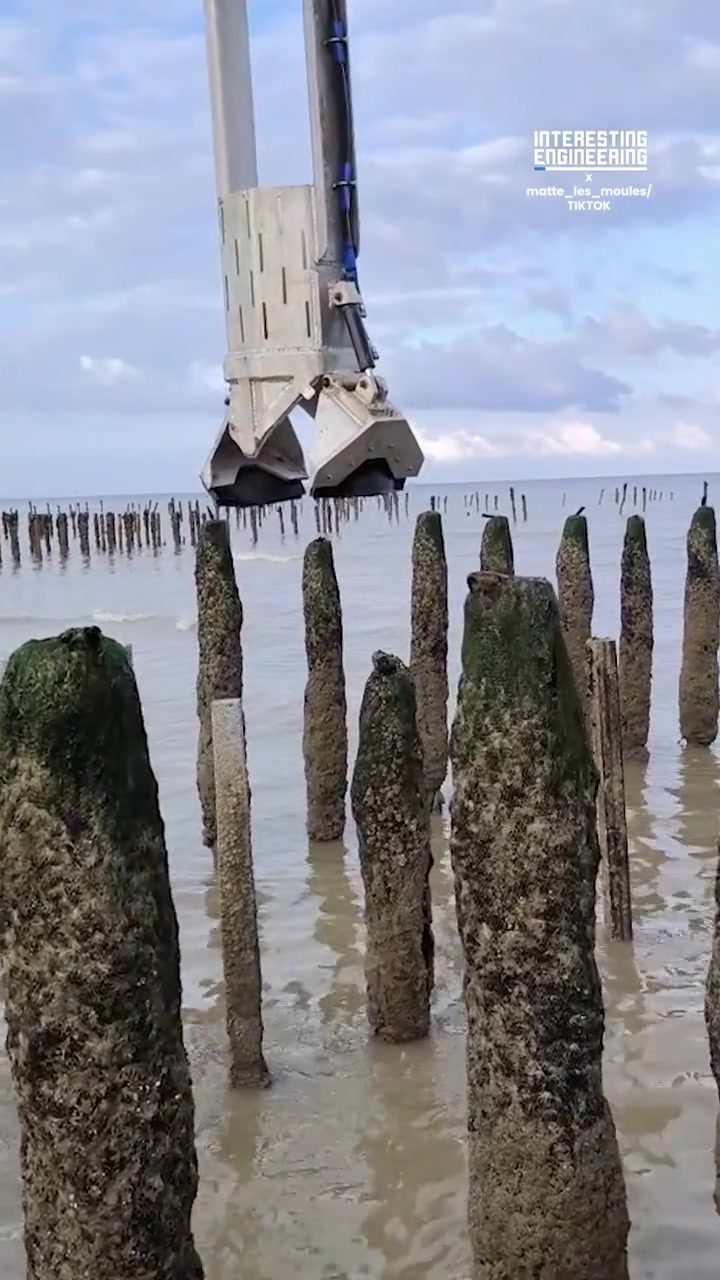
Mussel Harvesting Machine
Mussel harvesting machines are revolutionizing the aquaculture industry by enhancing efficiency and sustainability. These machines are specifically designed to harvest mussels from submerged fields of poles. Here, we'll explore the mechanics, benefits, and applications of these innovative machines in modern aquaculture.
Why this matters
The Growing Demand for Seafood
The global demand for seafood, particularly mussels, continues to rise. Mussels are not only a delicious source of protein but also a sustainable one, as they require minimal resources to grow. Traditional methods of harvesting mussels involve manual labor, which can be time-consuming and physically demanding. This is where mussel harvesting machines come into play, offering a more efficient and scalable solution.
Environmental Sustainability
Sustainable aquaculture practices are crucial for preserving marine ecosystems. Mussel harvesting machines help maintain these practices by minimizing environmental impact. They allow for large-scale harvesting without harming the marine environment, making them an essential tool for modern aquaculture.
Main discussion
The Mechanics of Mussel Harvesting Machines
Mussel harvesting machines are equipped with specialized mechanical heads that collect mussels from submerged poles. These machines use a grip-and-scrape mechanism to detach mussel clusters from bouchot poles. The detached mussel clusters fall into collection baskets, which are then processed for further use.
The Efficiency of Modern Harvesting
The automated process of mussel harvesting machines enables large-scale production. Traditional methods, which rely on manual labor, are limited in scale and efficiency. In contrast, these machines can cover vast areas of submerged fields in a short period, significantly increasing productivity.
Preserving Traditional Practices
While modern technology enhances the harvesting process, it also preserves traditional tidal aquaculture practices. By maintaining the use of poles and baskets, mussel harvesting machines align with long-standing aquaculture methods, ensuring that the industry's heritage is maintained.
Practical tips
Choosing the Right Machine
When selecting a mussel harvesting machine, consider factors such as the size of the field, the type of poles, and the volume of mussels to be harvested. Machines with adjustable mechanical heads and customizable baskets offer greater flexibility and can be tailored to specific needs.
Maintenance and Upkeep
Regular maintenance is essential to keep the machine in optimal condition. This includes checking the mechanical head for wear and tear, ensuring the hydraulic system is functioning correctly, and cleaning the collection baskets. Regular inspections can prevent costly breakdowns and ensure the machine operates efficiently.
Environmental Considerations
Operators should be mindful of the environmental impact during harvesting. Ensure that the machine is used in compliance with local regulations and that it does not disturb marine life. Proper disposal of waste and minimizing the machine's footprint are crucial for sustainable aquaculture.
Important takeaways
- Mussel harvesting machines enhance efficiency and sustainability in the aquaculture industry.
- These machines use specialized mechanical heads to collect mussels, replacing traditional manual methods.
- They enable large-scale harvesting while preserving traditional practices.
- Regular maintenance and environmental considerations are crucial for the effective use of these machines.
- The choice of the right machine and proper operating practices can significantly improve productivity and sustainability.
Conclusion
Innovations like mussel harvesting machines represent a significant leap forward in the aquaculture industry. By combining modern technology with traditional methods, these machines offer a sustainable and efficient solution for harvesting mussels. As the demand for seafood continues to grow, these advancements will play a crucial role in meeting global needs while preserving marine ecosystems.
Watch the Reel
Questions readers ask
How do mussel harvesting machines enhance aquaculture efficiency?
Mussel harvesting machines streamline the harvesting process by automating the collection of mussels from submerged fields of poles. This reduces the need for manual labor, speeds up the harvesting process, and allows for larger-scale operations, making aquaculture more efficient and productive.
What are the environmental benefits of using mussel harvesting machines?
These machines promote environmentally friendly practices by minimizing the disturbance to marine ecosystems. Unlike traditional methods, they reduce the physical impact on the environment, ensuring that the mussel harvesting process remains sustainable and eco-conscious.
How do mussel harvesting machines preserve traditional harvesting practices?
Mussel harvesting machines are designed to work in harmony with traditional methods, such as bouchot mussel harvesting, ensuring that the techniques and practices that have been used for generations are maintained. This integration allows for a blend of modernity and tradition in aquaculture.
What types of mussel harvesting machines are available?
There are several types of mussel harvesting machines, including hydraulic mussel harvesters and mussel scraping machines. Each type is designed to handle different aspects of the mussel harvesting process, from large-scale collection to precise scraping and handling.
How do mussel harvesting machines handle mussel harvesting poles?
Mussel harvesting machines are specifically engineered to navigate and operate around mussel harvesting poles efficiently. They can move along the poles, collecting mussels without damaging the structure or the surrounding environment, making the process more efficient and less labor-intensive.
What are the benefits of using mussel harvesting baskets with mussel harvesting machines?
Mussel harvesting baskets are a key component of the harvesting process. They work in tandem with the machines to collect and transport mussels efficiently. These baskets allow for organized storage and easy handling, making the entire harvesting process smoother and more efficient.
What is the process of large-scale mussel harvesting using machines?
Large-scale mussel harvesting involves deploying mussel harvesting machines to cover extensive areas of mussel farms. These machines systematically collect mussels from poles, ensuring a thorough and efficient harvesting process. This large-scale approach helps meet the growing demand for mussels while maintaining sustainability.
Related deep dives
Similar reads based on topic and creator.


Recent articles
Fresh deep dives from the latest Reels we unpacked.




Comments
Be the first to comment.