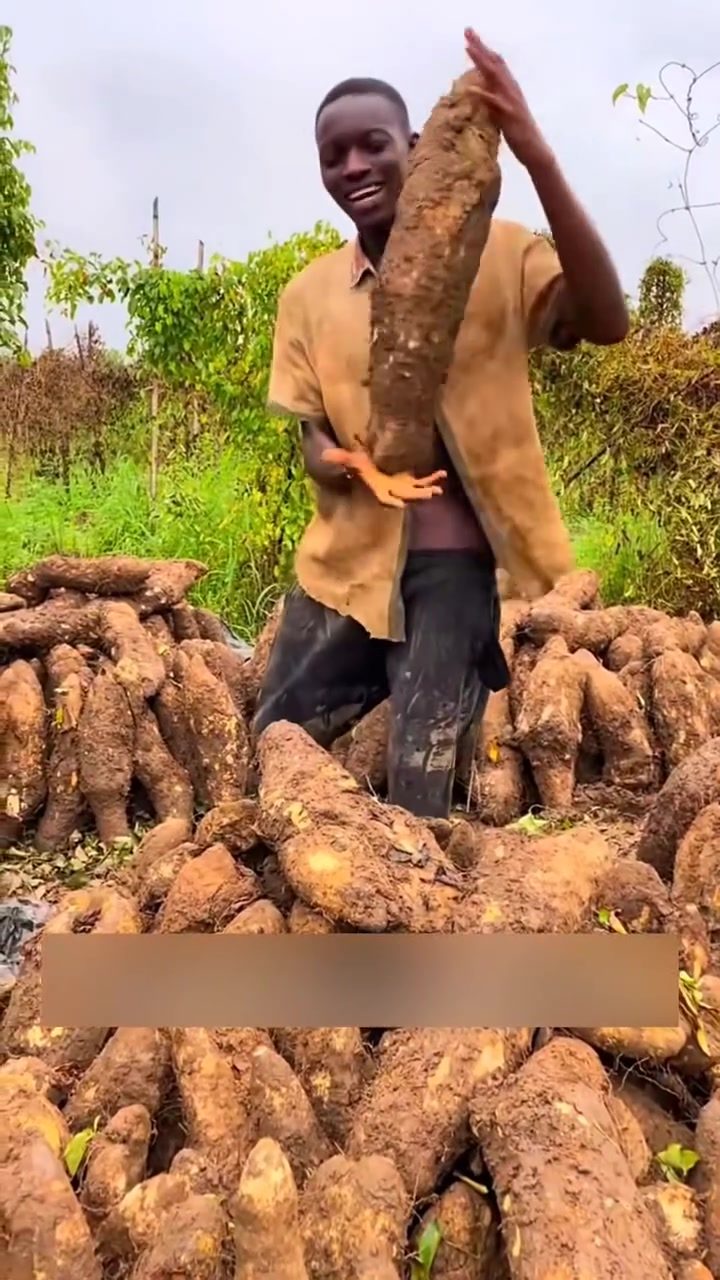
Yams are a staple food across many African countries, where they are grown on a large scale. Unlike cassava, yams are often harvested in large quantities. While many people think that these African farmers are harvesting cassava, they are actually harvesting yams. Yams in many African countries can be quite substantial, and the harvesting process, as demonstrated by farmers, involves carefully uprooting these large and heavy vegetables from the ground.
Context / Why this matters
Cassava is a popular crop in African communities, but yams also play a crucial role in the diet and agriculture of many regions. Yams are a versatile and nutritious food source, and their harvesting process is an important part of agricultural practices in many African countries. Understanding the differences between cassava and yams, as well as the unique harvesting and planting methods used for yams, can provide valuable insights into the agricultural landscape of Africa.
Main discussion
The Unique Planting Method
Farmers in many African countries use a distinctive planting method for yams. Unlike other crops, yams are planted in large mounds of loose soil. This method involves creating mounds that provide the necessary conditions for the yams to grow and thrive. The process of building these mounds and planting the yams inside them is unique and showcases the ingenuity of African farmers.
These giant yams can weigh over 10 kilograms each, making them thick, long, and impressive in size. The unique planting method, combined with the nutritious and filling nature of yams, makes them a valuable crop for many African communities.
The Harvesting Process
The process of harvesting yams involves carefully uprooting the large and heavy vegetables from the ground. Farmers must handle these yams with care to ensure they are not damaged during the harvesting process. Once harvested, yams can be prepared in many different ways. Some are simply boiled and eaten with a texture similar to potatoes. Others are pounded into a smooth paste called pounded yam, which is a favorite food across many African communities. The versatility of yams in the kitchen makes them a beloved and essential part of the diet in many African countries.
Preparing and Cooking Yams
Yams are a versatile and nutritious food source, and there are many ways to prepare and cook them.
Boiled Yams
One of the simplest ways to prepare yams is by boiling them. Boiled yams have a texture similar to potatoes and can be seasoned with various spices and herbs to enhance their flavor. This method of preparation is quick and easy, making it a popular choice for many households.
Pounded Yam
Another popular way to prepare yams is by pounding them into a smooth paste called pounded yam. This dish is a favorite across many African communities and is often served with stews or sauces. Pounded yam is not only delicious but also nutritious and filling, making it a staple food in many African countries.
Practical tips
Planting Yams
When planting yams, it is important to create large mounds of loose soil. This provides the necessary conditions for the yams to grow and thrive. By following this method, farmers can ensure a successful harvest of large and impressive yams.
Harvesting Yams
Harvesting yams requires careful handling to ensure they are not damaged during the process. It is important to uproot the yams from the ground with care and handle them gently to preserve their quality and texture.
Preparing Yams
Yams can be prepared in many different ways, and the method of preparation can greatly affect the flavor and texture of the dish. Whether boiling them, pounding them into a paste, or using them in stews or sauces, yams offer a versatile and nutritious addition to any meal.
Important takeaways
Yams are a versatile and nutritious food source that plays a crucial role in the diet and agriculture of many African countries. The unique planting and harvesting methods used for yams, as well as the various ways they can be prepared, make them an essential part of African cuisine. By understanding the differences between cassava and yams, as well as the unique processes involved in growing and preparing yams, one can gain valuable insights into the agricultural landscape of Africa.
Conclusion
Yams are a staple food in many African communities, and their unique harvesting and planting methods make them a valuable crop. From building large mounds of loose soil to carefully uprooting the large and heavy yams, the process of growing yams is an art form that showcases the ingenuity of African farmers. Whether boiled, pounded into a paste, or used in stews and sauces, yams offer a versatile and nutritious addition to any meal. By understanding the differences between cassava and yams, as well as the unique processes involved in growing and preparing yams, one can gain a deeper appreciation for the rich agricultural traditions of Africa.
Watch the Reel
Questions readers ask
What are the key differences between yams and cassava in African agriculture?
Yams and cassava are both root crops, but yams are often harvested in large quantities and can weigh over 10 kilograms each. Cassava, on the other hand, is typically harvested in smaller sizes. Yams are also distinct in their growing methods, with farmers creating large mounds of soil for cultivation, while cassava is often grown in rows.
What equipment is required for harvesting giant yams in Africa?
Harvesting giant yams in Africa typically involves using simple tools such as hoes, forks, and shovels. These tools help farmers carefully uproot the large yams without causing damage. In some communities, farmers might use their hands to gently dig around the yams, ensuring they are extracted intact.
Why is the harvesting process of yams in Africa so important to many communities?
The harvesting process of yams is crucial as it involves community efforts. Many African communities rely on yams as a staple food source, which are used in various dishes. The harvesting process ensures a reliable food supply for many families and is often a communal activity, fostering social bonds and shared labor.
What are the typical planting methods for yam farming in Africa?
Yam farming in Africa involves unique planting methods. Farmers create large mounds of soil, often mixed with organic matter, to plant the yam setts. These mounds help with drainage and provide the necessary space for the yams to grow. The planting process is labor-intensive and requires careful preparation to ensure a successful harvest.
How are yams prepared in African cuisine?
Yams are a versatile ingredient in African cuisine and can be prepared in various ways. In West African communities, yams are often boiled, roasted, or fried. They are also used in popular recipes like pounded yam, a dish made from boiled yams pounded into a smooth, dough-like consistency. Additionally, yams are sometimes grated and fermented to make a type of fufu.
What are the common challenges in harvesting giant yams in Africa?
Harvesting giant yams can be physically demanding due to the size and weight of the yams. Farmers must carefully uproot the yams to avoid damaging them, which requires strength and skill. Additionally, the process can be time-consuming, especially in regions where the soil conditions are not ideal.
What are some traditional ways to store yams after harvesting?
After harvesting, yams are typically cured to improve their storage life. This involves exposing the yams to sunlight for a few days to dry the skin and heal any minor wounds. Following this, yams can be stored in well-ventilated areas, hung from rafters, or placed in wooden bins to protect them from pests and moisture. Properly stored yams can last for several months.
Recent articles
Fresh deep dives from the latest Reels we unpacked.




Comments
Be the first to comment.