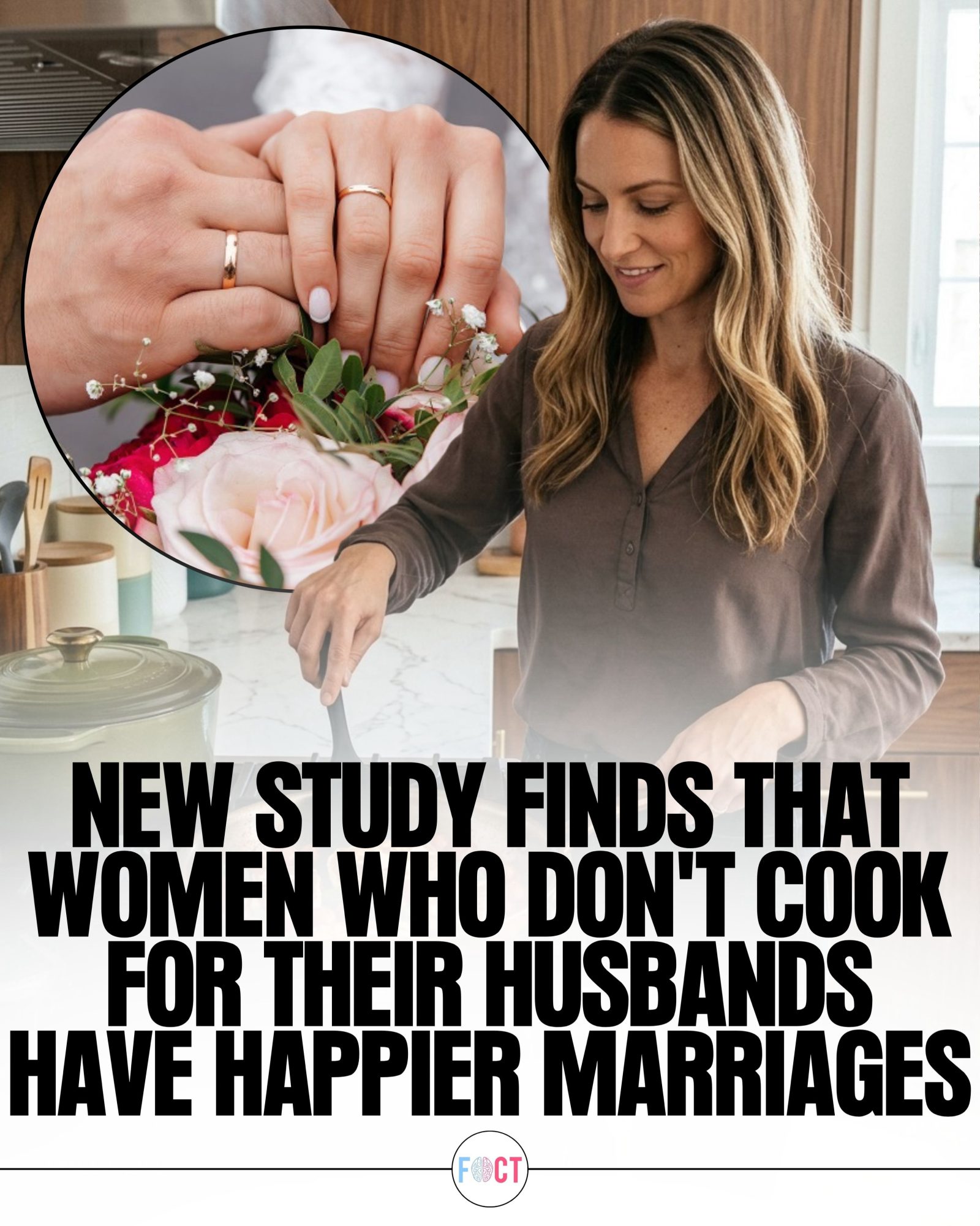
Marriage and Cooking: The Surprising Link Between Kitchen Roles and Relationship Happiness
Marriage and cooking aren't topics typically discussed together, but a recent study has uncovered a fascinating link between kitchen roles and relationship satisfaction. A 15-year Harvard study following 12,000 married couples revealed that women who didn't cook daily for their husbands reported significantly higher relationship satisfaction. This finding sheds light on how traditional household roles can impact marital happiness and offers insights into creating more balanced and fulfilling relationships.
Why This Matters
Understanding the dynamics of kitchen roles in marriage can help couples navigate their responsibilities more equitably. Traditional gender roles often place the burden of cooking on one partner, usually the woman. However, this study suggests that shared kitchen responsibilities can lead to happier marriages by fostering a sense of equality and mutual respect. By examining this link, couples can make informed decisions about how to divide household tasks and enhance their relationship satisfaction.
Main Discussion
The Study's Findings
The study found that women who didn't cook daily for their husbands rated their relationships 8.4 out of 10, compared to 6.1 out of 10 among those who cooked every day. Men also showed a similar pattern, reporting greater happiness when they weren't constantly being served. This data underscores the importance of shared responsibilities in the kitchen and the potential pitfalls of traditional gender roles.
The "Service Role" Phenomenon
Researchers suggested that daily cooking can unintentionally create a "service role," making the relationship feel less equal and potentially leading to resentment and emotional fatigue over time. This dynamic can erode the foundation of a relationship, as one partner may feel taken for granted while the other feels burdened by constant service expectations. Recognizing and addressing this imbalance is crucial for maintaining a healthy and satisfying partnership.
The Role of Shared Responsibilities
The happiest couples in the study shared kitchen responsibilities by cooking together, alternating tasks, or simply removing the pressure around meals. This approach not only distributes the workload more evenly but also encourages teamwork and communication. Couples who cook together often report feeling more connected and appreciative of each other's efforts, which can strengthen their bond and overall relationship satisfaction.
Practical Tips
Communicate Openly
Open communication is key to dividing kitchen responsibilities equitably. Discuss your expectations, preferences, and concerns with your partner. Make a list of tasks and decide together how to distribute them based on each person's schedule and preferences.
Experiment with Different Roles
Try different approaches to cooking and meal preparation. For example, you might alternate who cooks each night, or divide tasks based on who enjoys them more. Experimenting with different roles can help you find a balanced routine that works for both partners.
Plan Meals Together
Planning meals together can be a fun and engaging activity that brings you closer. Choose recipes that both partners enjoy, and make a grocery list together. This collaborative approach ensures that both partners feel involved in the meal preparation process and reduces the likelihood of resentment.
Remove the Pressure
Remove the pressure around meals by making them a collaborative effort. Instead of one person feeling responsible for every meal, share the workload. This can be done by cooking together, alternating nights, or even opting for simpler, less time-consuming meals.
Important Takeaways
Equality Matters
Equality in household responsibilities, including cooking, is essential for a happy and healthy marriage. When both partners feel valued and appreciated, they are more likely to report higher relationship satisfaction.
Shared Effort and Mutual Respect
Shared effort and mutual respect in the kitchen can significantly enhance a couple's bond. When both partners contribute to meal preparation, they foster a sense of teamwork and appreciation for each other's efforts.
Traditional Roles Can Be Harmful
Traditional gender roles, such as one partner always cooking for the other, can unintentionally create a "service role." This dynamic can lead to resentment, emotional fatigue, and ultimately, a less satisfying relationship.
Conclusion
The link between cooking roles and relationship satisfaction is a compelling reminder of the importance of shared responsibilities and equality in marriage. By understanding and addressing the dynamics of kitchen roles, couples can create more balanced and fulfilling partnerships. Whether it's cooking together, alternating tasks, or simply removing the pressure around meals, there are many ways to distribute the workload more equitably and enhance overall relationship satisfaction. Embrace the insights from this study to foster a happier and more respectful marriage.
Watch the Reel
Questions readers ask
Does the Harvard study suggest that couples should avoid cooking together?
Not at all. The study highlights that sharing kitchen responsibilities is important, so couples should aim to cook together or divide cooking tasks fairly. The key is in avoiding traditional gender roles where one person, typically the woman, bears the burden of daily cooking.
What are the key findings of the Harvard study on cooking and marital happiness?
The study found that women who do not cook daily for their husbands report significantly higher relationship satisfaction. This suggests that traditional gender roles, where women take on most of the cooking responsibilities, can negatively impact marital happiness.
How can couples achieve a more balanced approach to cooking and household chores?
Couples can achieve balance by sharing kitchen responsibilities and other household chores. This can be done by creating a schedule that divides tasks equally, encouraging both partners to participate in cooking, and fostering open communication about each person's needs and preferences.
Why is it important to avoid daily cooking for one partner in a marriage?
Daily cooking for one partner can lead to feelings of resentment and inequality, which can negatively impact marital happiness. By sharing cooking responsibilities, couples can foster a sense of mutual respect and equality, which are crucial for a healthy relationship.
How does the Harvard study relate to modern gender roles in marriage?
The study challenges traditional gender roles by showing that when women take on the primary responsibility of cooking, it can lead to lower relationship satisfaction. It suggests that modern marriages benefit from a more egalitarian approach to household tasks, including cooking.
What are some practical tips for improving marital happiness based on the study's findings?
To improve marital happiness, couples can start by having open conversations about their expectations and responsibilities. They can take turns cooking, plan meals together, and ensure that one person is not constantly burdened with cooking duties. Encouraging mutual support and shared responsibilities can enhance overall relationship satisfaction.
Does the study imply that women should never cook for their husbands?
The study does not suggest that women should never cook for their husbands, but rather that daily cooking by one partner can lead to feelings of inequality. The key is to ensure that cooking responsibilities are shared, so both partners have the opportunity to contribute and enjoy the process together.
Related deep dives
Similar reads based on topic and creator.




Recent articles
Fresh deep dives from the latest Reels we unpacked.




Comments
Be the first to comment.