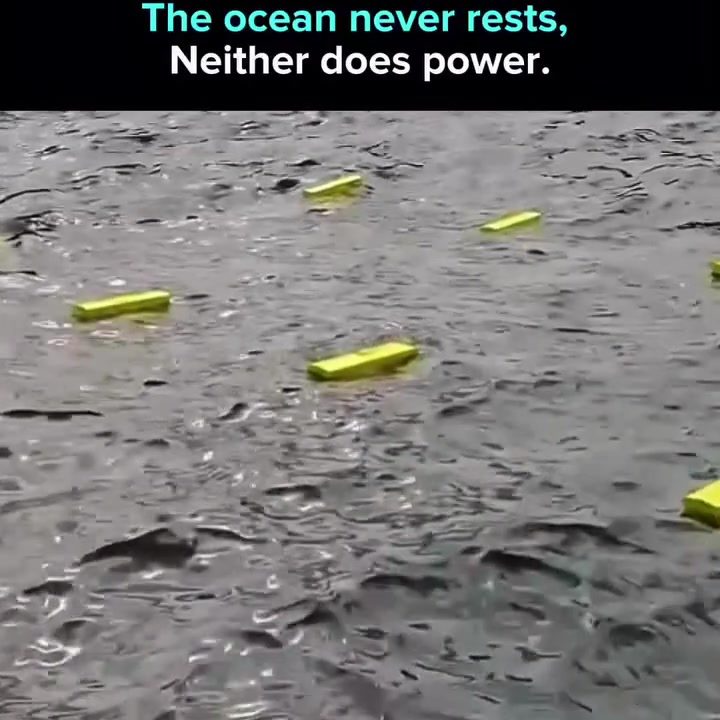
Ocean Power Generation
Ocean power generation transforms the relentless motion of ocean swells into a consistent source of renewable electricity. Unlike solar or wind energy, wave power offers a highly predictable energy output, providing a reliable source of power day and night. This makes it an attractive option for coastal nations aiming to decarbonize their energy grids, particularly for island and shoreline communities.
Context / Why This Matters
The ocean's constant and powerful motion is an untapped resource that surrounds much of humanity. Harnessing this resource can supplement existing renewable energy sources, providing a clean energy solution where space and weather conditions might limit other options. Wave power generators utilize mechanical or hydraulic systems connected to generators, converting the motion of the waves into electricity. This technology taps into a resource that is both abundant and consistent, offering a scalable complement to offshore wind power.
Main Discussion
The Mechanics of Wave Power Generation
Wave power generation involves the use of specialized devices designed to convert the kinetic energy of waves into electrical energy. These devices, often referred to as wave energy converters (WECs), are typically submerged in the water and utilize the motion of the waves to drive a generator. The key components of a wave energy generator include:
- Mechanical or Hydraulic Systems: These systems are responsible for converting the motion of the waves into mechanical energy.
- Generators: These devices convert mechanical energy into electrical energy, which can then be transmitted to the grid.
The constant movement of the ocean ensures that wave energy is a reliable and predictable source of power, unlike solar and wind energy, which are dependent on weather conditions.
Predictability and Consistency
One of the standout advantages of wave energy is its high predictability and consistent output. The ocean's motion is constant, providing a reliable source of energy that can be harnessed day and night. This makes wave energy a valuable addition to the renewable energy mix, as it can help stabilize the grid and reduce reliance on fossil fuels.
Complementing Offshore Wind
For coastal nations, wave energy presents a scalable complement to offshore wind power. Island and shoreline communities, in particular, can benefit from this technology, as it taps into a resource that is readily available in their vicinity. The combination of wave and wind energy can create a robust and resilient energy grid, reducing the need for fossil fuels and supporting the transition to sustainable energy.
Challenges and Future Prospects
Despite its potential, wave power generation faces several challenges, including durability, cost reduction, and large-scale deployment. Engineering solutions must be robust enough to withstand the harsh marine environments while remaining economically viable. As technology improves, wave power could become a critical part of global renewable infrastructure, unlocking a new layer of clean electricity and reducing reliance on fossil fuels.
Engineering Solutions
To make wave power generation a viable option, engineers must focus on developing durable and cost-effective solutions. The devices must be designed to withstand the corrosive effects of saltwater, the constant motion of the waves, and the harsh weather conditions at sea. Innovations in materials science and engineering design are crucial for overcoming these challenges and making wave power a cost-effective and reliable energy source.
Practical Tips
If you're interested in exploring wave power generation, here are some practical tips to get you started:
- Research and Development: Invest in research and development to understand the latest technologies and innovations in wave power generation.
- Collaboration: Collaborate with experts in the field, including engineers, scientists, and policymakers, to develop effective solutions and advocate for supportive policies.
- Pilot Projects: Start with small-scale pilot projects to test the feasibility and effectiveness of wave power generation in your region.
- Investment in Infrastructure: Invest in the necessary infrastructure, including grid integration and transmission systems, to support the deployment of wave energy converters.
- Community Engagement: Engage with local communities to build support and understanding for wave power generation, and to address any concerns or challenges that may arise.
Important Takeaways
Wave power generation offers a unique and valuable addition to the renewable energy mix. Its predictability and consistency make it a reliable source of power, particularly for coastal nations and island communities. As technology advances, wave power has the potential to play a critical role in global efforts to decarbonize energy grids and reduce reliance on fossil fuels.
Conclusion
Harnessing the constant motion of the ocean to generate electricity is a promising avenue for sustainable energy production. Wave power generators, with their ability to produce a reliable and consistent output, present a scalable complement to existing renewable energy sources. By addressing the challenges of durability, cost, and large-scale deployment, wave power could become a critical component of global renewable infrastructure, supporting the transition to a sustainable and resilient energy grid.
Watch the Reel
Questions readers ask
How does wave power generation differ from other renewable energy sources like wind and solar?
Wave power generation utilizes the consistent motion of ocean waves to produce electricity, unlike wind and solar, which rely on intermittent weather conditions. This makes wave energy a more predictable and reliable source of power, especially for coastal communities where wind and solar may not always be available.
What makes wave energy an attractive option for coastal nations?
Wave energy offers a scalable, clean solution for coastal nations looking to decarbonize their energy grids. It provides a consistent power source, day and night, which is particularly beneficial for island and shoreline communities where other renewable energy sources may be limited by space or weather conditions.
How does wave power generation work?
Wave power generators use mechanical or hydraulic systems to convert the energy from ocean waves into electricity. These systems are designed to harness the kinetic and potential energy within the waves and transform it into a usable form of power, providing a reliable and sustainable source of energy.
What are the benefits of using wave energy technology in coastal communities?
Wave energy technology offers a consistent and reliable power source, which is crucial for coastal communities. It complements other renewable energy sources, ensuring a stable energy supply regardless of weather conditions or time of day. This makes it an ideal solution for areas with limited space or inconsistent solar and wind resources.
How can wave energy systems support the broader energy grid?
Wave energy systems can supplement existing renewable energy sources by providing a steady and predictable power output. This helps balance the grid, especially during periods when solar and wind energy production may be low, such as during nighttime or calm weather conditions.
Is wave energy a viable option for isolated or remote coastal areas?
Yes, wave energy is well-suited for isolated or remote coastal areas due to its consistent and reliable power output. It can provide a sustainable energy solution where other renewable sources may not be feasible, such as in areas with limited access to electricity or where infrastructure is challenging to establish.
Related deep dives
Similar reads based on topic and creator.


Recent articles
Fresh deep dives from the latest Reels we unpacked.




Comments
Be the first to comment.