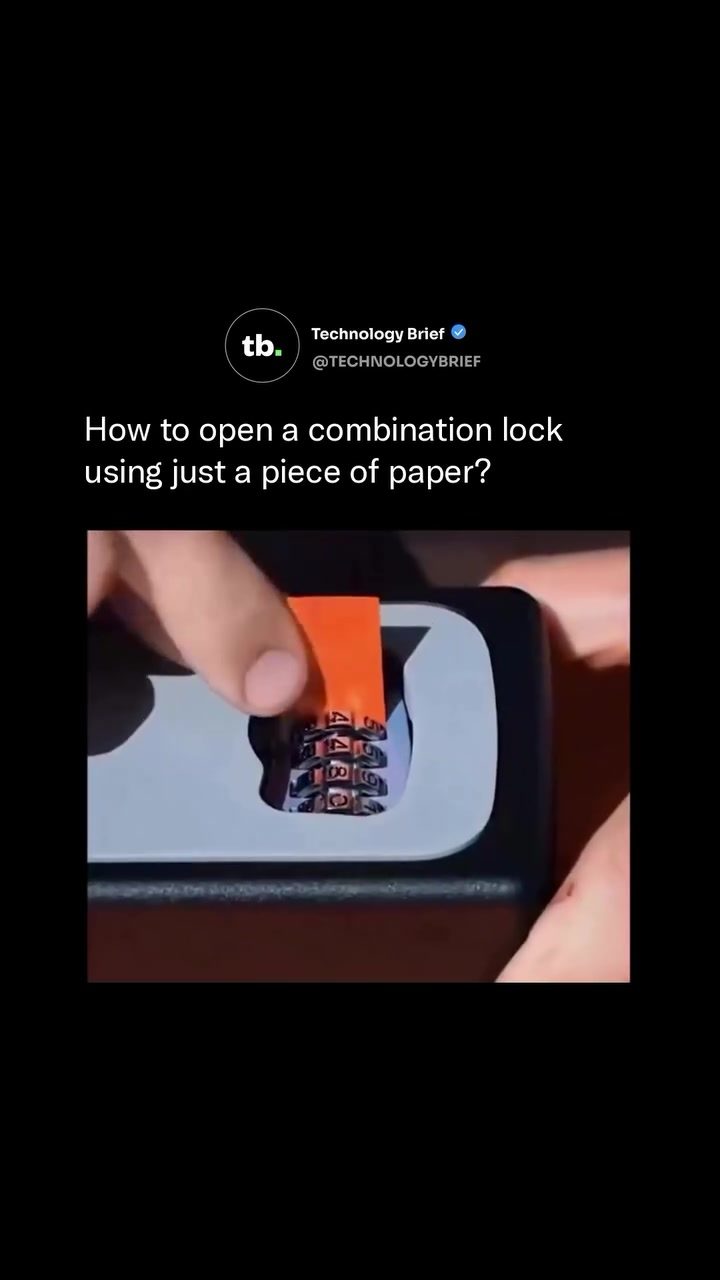
Combination Lock Hacking
A thin strip of paper can open a four-digit combination padlock. This method exploits the design of cheaper, entry-level combination locks. It works by sliding the paper between the wheel and the lock body. When one wheel is aligned with the correct digit, the paper sits flush. This technique highlights the vulnerabilities of low-cost combination locks. Security experts recommend locks with anti-shim or anti-bypass ratings for protecting valuables.
The fact that a simple piece of paper can open many common padlocks underscores a significant flaw in low-cost combination locks. Understanding this technique is the first step toward choosing a secure lock.
Why This Matters
The ability to open a combination lock using just a piece of paper is more than just a party trick. This technique, known as "locksport," is a non-destructive way to defeat locks. It highlights the weaknesses in the design of entry-level combination locks. This information is crucial for consumers and security professionals alike.
Locksport is a hobby that involves the study and defeat of locks through non-destructive means. It's not about breaking laws or invading privacy, but rather about understanding how locks work and improving their design. Knowing how to exploit a lock's vulnerabilities can help manufacturers create more secure products. This knowledge can also help consumers make informed decisions about the locks they choose to protect their belongings.
The Paper Method
What You Need
To use the paper method, you'll need:
- A thin strip of paper
- A four-digit combination padlock
The Technique
- Prepare the Paper: Start with a thin strip of paper. Fold it lengthwise several times to create a narrow, rigid strip.
- Insert the Paper: Slide the paper between the wheel and the lock body. Be sure the paper is flat and straight.
- Test Each Wheel: Slowly turn each wheel one at a time. When the wheel is aligned with the correct digit, the paper will sit flush against the lock body instead of catching on the mechanism.
- Repeat for Each Wheel: Repeat this process for each of the four wheels. As you find each correct digit, write it down.
- Open the Lock: Once you have all four digits, enter them into the lock to open it.
Note: This technique exploits the small gap between each spinning wheel and the lock body. Higher-security locks close this gap or use ball bearings instead of a spring-loaded catch, making the paper method ineffective. If the paper method does not work on a particular lock, try another lock-bypass technique or consult with the lock manufacturer.
How the Paper Method Works
The paper method works by exploiting a design flaw in many entry-level combination locks. These locks typically have a small gap between the spinning wheel and the lock body. This gap allows the paper to be inserted and manipulated to reveal the correct combination.
When the wheel is aligned with the correct digit, the paper sits flush against the lock body. This is because the correct digit allows the wheel to align perfectly with the lock body, creating a smooth surface for the paper to slide against. When the wheel is not aligned with the correct digit, the paper catches on the mechanism, indicating that the wrong digit has been chosen.
Locksport and the Paper Method
The paper method is part of a broader category of lock-bypass skills. This is sometimes called "locksport," the hobby of studying and defeating locks through non-destructive means. Locksport enthusiasts use various techniques to defeat locks, including the paper method, shimming, and picking. These techniques are used to test the security of locks and to improve their design.
Locksport is not about breaking laws or invading privacy. It's about understanding how locks work and improving their design. Many locksport enthusiasts are security professionals who use their knowledge to create more secure products. Others are hobbyists who enjoy the challenge of defeating locks.
Practical Tips
Choosing a Secure Lock
When choosing a lock to protect your valuables, consider the following tips:
- Look for Anti-Shim or Anti-Bypass Ratings: These locks are designed to resist techniques like the paper method. They typically have a smaller gap between the wheel and the lock body or use ball bearings instead of a spring-loaded catch.
- Avoid Cheap Locks: Cheaper, entry-level locks are more susceptible to lock-bypass techniques. Investing in a higher-quality lock can provide better security.
- Consider the Lock's Use: If the lock is protecting high-value items, consider using a more secure lock, such as a high-security padlock or a lock with a built-in alarm.
Testing Locks for Vulnerabilities
If you're a locksport enthusiast or a security professional, you can use the paper method to test locks for vulnerabilities. Here are some tips for doing so:
- Try the Paper Method: Start by trying the paper method on various locks. Note which locks are vulnerable to this technique.
- Use Other Techniques: If the paper method doesn't work, try other lock-bypass techniques, such as shimming or picking. This can help you determine which techniques a particular lock is vulnerable to.
- Document Your Findings: Keep a record of which locks are vulnerable to which techniques. This can help you identify patterns and improve the design of future locks.
Important Takeaways
Understanding the paper method for opening combination locks is more than just a curiosity. It's a practical demonstration of the vulnerabilities in many entry-level locks. Here are some key takeaways:
- Everyday Items Can Compromise Security: The fact that an everyday scrap of paper is enough to open many common padlocks is a surprising insight. It shows that even simple, common items can be used to exploit a lock's weaknesses.
- Knowing the Weakness: Understanding this vulnerability can help you choose a more secure lock. It also helps security professionals and manufacturers improve lock designs.
- Broad Implications: This technique is part of a broader category of lock-bypass skills and highlights the importance of non-destructive lock testing. Knowing these techniques can help you assess the security of a lock and make informed decisions about protecting your valuables.
Conclusion
The paper method for opening combination locks is a fascinating demonstration of how everyday items can be used to exploit a lock's weaknesses. It's part of a broader category of lock-bypass skills, known as locksport, which involves the study and defeat of locks through non-destructive means. Understanding this technique can help you choose a more secure lock and make informed decisions about protecting your valuables.
Watch the Reel
Questions readers ask
How does the paper strip method work on combination locks?
The paper strip method involves inserting a thin piece of paper between the lock's wheel and the body. As you turn the dial, the paper will only fit snugly when the correct digit is aligned, indicating the right number for that wheel. This process is repeated for each wheel to open the lock.
Why are cheap combination locks more susceptible to this hack?
Cheaper combination locks often have a simpler design with more space between the wheel and the lock body, making it easier to insert a paper strip and manipulate the dial to find the correct combination. More secure locks have anti-shim or anti-bypass features that prevent this method from working.
Can this technique be used on all combination locks?
No, this technique is specific to four-digit, low-cost combination locks with a certain design. It does not work on all combination locks, particularly those with enhanced security features or higher quality construction. It's important to recognize if a lock is vulnerable to this method.
What should I look for in a secure combination lock to avoid this vulnerability?
To avoid this vulnerability, look for combination locks with anti-shim or anti-bypass ratings. These features are designed to prevent tools, like a paper strip, from being inserted into the lock. Additionally, consider locks with a higher price point, as they often have more robust security measures.
Is it legal to use this hack on locks I don't own?
No, it is not legal to use this hack or any other method to open locks that you do not own. Tampering with or attempting to open someone else's lock without permission is illegal and unethical. This technique is intended for informative purposes only, helping users understand the importance of secure locks for their own property.
Can this hack be prevented by lubricating the lock?
Lubricating the lock will not prevent the paper strip method from working. The technique relies on the physical space between the wheel and the lock body, not the smoothness of operation. To prevent this hack, consider using a lock with enhanced security features designed to counteract such methods.
Recent articles
Fresh deep dives from the latest Reels we unpacked.




Comments
Be the first to comment.