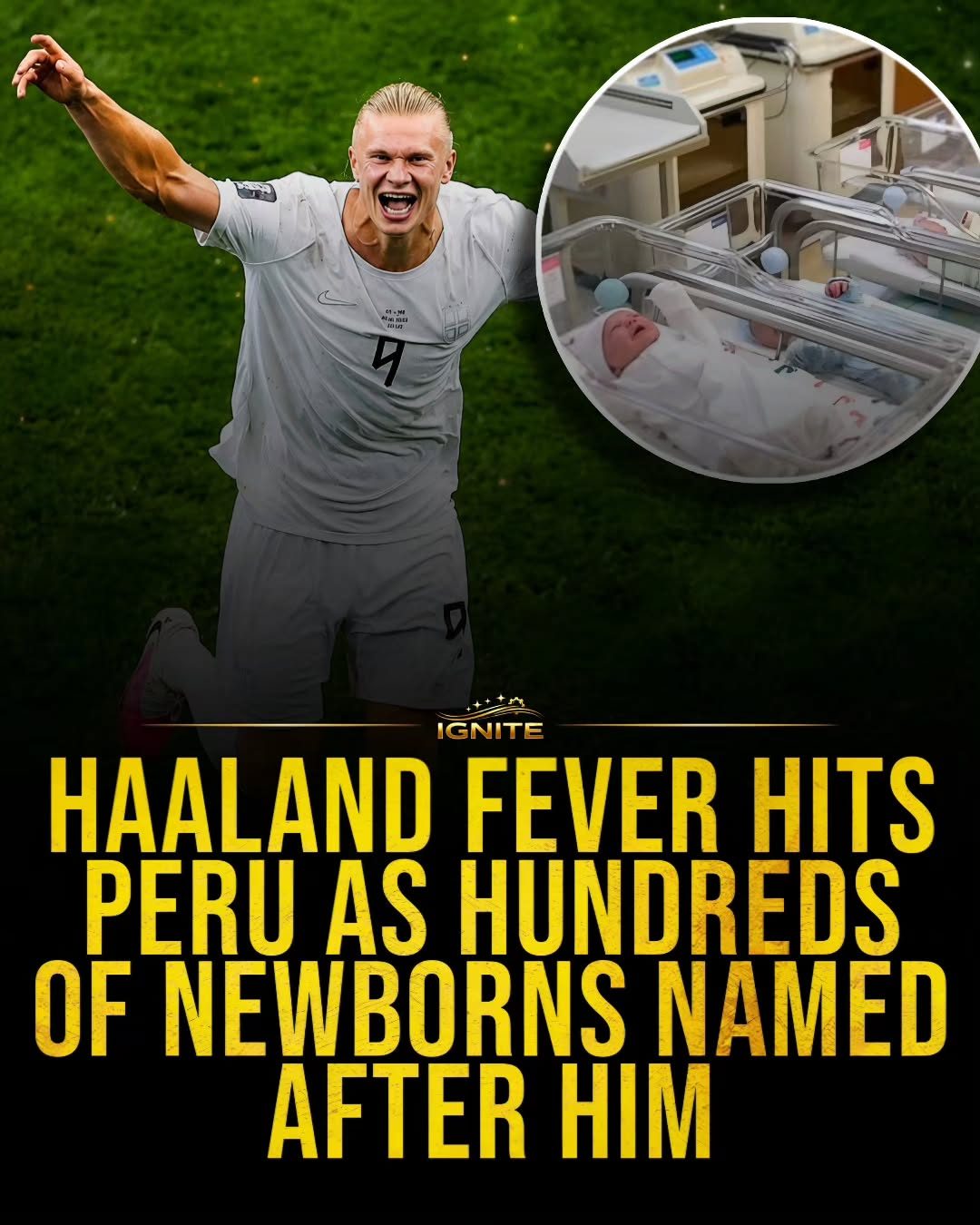
Erling Haaland's Impact: A Celebration of Soccer and Cultural Influence
Erling Haaland, the renowned soccer player, has captured the hearts of fans worldwide with his remarkable skills on the field. Beyond his athletic prowess, Haaland's influence extends to cultural phenomena, particularly in Peru, where his popularity has reached unprecedented heights. This article delves into the "Haaland Fever" that has swept through Peru, highlighting the excitement and admiration that have led to hundreds of newborns being named after the soccer star.
Context: Why This Matters
Haaland's impact on soccer and popular culture underscores the power of athletic celebrity to transcend borders and influence societal trends. Understanding how a single individual can inspire such widespread admiration provides insights into the intersection of sports, culture, and global influence. This phenomenon is not just about soccer; it's about the broader cultural ripple effects that athletes can create.
Main Discussion
The Rise of Haaland Fever
Haaland's journey to superstardom has been nothing short of meteoric. His exceptional talent and high-profile performances have earned him a dedicated fan base that spans the globe. In Peru, this admiration has translated into a cultural frenzy known as "Haaland Fever." The fervor is so intense that it has led to a unique trend: the naming of newborns after the soccer star. This trend is a testament to the profound impact Haaland has had on the Peruvian populace, showcasing how sports heroes can inspire and influence societal norms.
The Significance of Naming Trends
The practice of naming children after celebrities or influential figures is not new, but the scale and intensity of this trend in Peru are noteworthy. Naming a child after a public figure can be a way for parents to honor their admiration, hopes, or aspirations. In the case of Haaland, it suggests a deep emotional connection and a desire to be associated with his success and talent. This trend also reflects the broader cultural fascination with soccer and its stars, highlighting how deeply ingrained the sport is in global culture.
The Peruvian Connection
Peru has a rich soccer culture, and the nation's affinity for the sport makes it a fertile ground for such trends. Haaland's celebrity status and the excitement surrounding his achievements have resonated deeply with Peruvian fans. This connection is a testament to the universal appeal of soccer and the power of a charismatic athlete to capture the imagination of fans. The trend is not just a fleeting fad but a manifestation of the enduring bond between soccer and the cultural fabric of Peru.
Practical Tips
For those who want to stay connected to the cultural phenomena surrounding soccer celebrities, there are several practical steps to take:
Follow Social Media Trends
Keeping an eye on social media can provide real-time insights into emerging trends and cultural shifts. Following influential athletes and sports personalities on platforms like Instagram and Twitter can offer a glimpse into the latest developments and fan reactions.
Engage with Local Communities
Engaging with local communities and cultural groups can deepen understanding and appreciation of how sports heroes influence everyday life. Joining fan clubs, attending local matches, and participating in community events can provide a more intimate view of the cultural significance of sports icons.
Stay Informed About Global Trends
Reading sports news, following blogs, and watching documentaries about global sports can offer a broader perspective on how athletes impact various cultures. Staying informed about the latest developments in sports and the societal trends they inspire can enrich one's understanding of the broader cultural landscape.
Important Takeaways
Haaland's impact on Peru serves as a powerful reminder of the influence that athletes can have on cultural trends. The phenomenon of "Haaland Fever" and the naming of newborns after the soccer star highlight how deeply soccer and its stars are woven into the cultural fabric of societies. This trend underscores the power of sports to inspire and influence societal norms, providing a unique lens through which to view the intersection of sports and culture.
Conclusion
Erling Haaland's journey from a talented soccer player to a cultural icon in Peru is a fascinating study in the influence of sports on society. The trend of naming newborns after him is a concrete example of how admiration for an athlete can permeate various aspects of life. As Haaland continues to make his mark on the soccer field, his impact on global culture will undoubtedly continue to evolve, inspiring future generations and fostering a deeper appreciation for the power of sports in shaping societal trends.
Watch the Reel
Questions readers ask
What exactly is 'Haaland Fever' and why is it significant in Peru?
Haaland Fever is a phenomenon in Peru where hundreds of newborns have been named after the renowned soccer star Erling Haaland. It's significant because it demonstrates how athletes can transcend sports and influence cultural trends, even in countries far from their own. This trend highlights the global reach of soccer stars and their impact on societal norms.
How many newborns in Peru have been named after Erling Haaland?
The article mentions that hundreds of newborns in Peru have been named after Erling Haaland. This significant number underscores the profound impact Haaland has had on Peruvian culture. The exact number may vary, but the trend is clear and notable.
What are some other instances of athletes inspiring cultural trends similar to Haaland Fever?
While Haaland Fever is unique, there are several instances where athletes have inspired cultural trends. For example, the names of athletes like Pelé, Messi, and Ronaldo have also been used for newborns in various countries. Additionally, athletes often influence fashion, music, and even social issues, showcasing their broad impact on society.
Why is Erling Haaland's influence so pronounced in Peru, a country far from his own?
Erling Haaland's influence in Peru can be attributed to the global reach of soccer, which is one of the most popular sports worldwide. Peru, like many other countries, has a passionate fan base for soccer and players of Haaland's caliber often transcend borders. Additionally, Haaland's extraordinary skills and achievements have made him a compelling figure for fans globally.
What does the trend of naming babies after athletes signify about society's views on sports and celebrities?
The trend of naming babies after athletes, as seen with 'Haaland Fever,' signifies society's admiration and respect for athletic achievements. It also reflects how celebrities, especially athletes, can become cultural icons. This trend shows that sports figures often inspire more than just fandom; they can influence personal decisions and cultural norms, highlighting the deep impact of sports on society.
How does Haaland Fever compare to other cultural phenomena inspired by athletes?
Haaland Fever is similar to other cultural phenomena inspired by athletes, such as the global admiration for Michael Jordan or the widespread influence of Cristiano Ronaldo. These trends often manifest in various ways, including naming children after athletes, wearing branded merchandise, and adopting similar hairstyles or mannerisms. What sets Haaland Fever apart is its specific focus on the naming trend in Peru, underscoring the unique cultural impact of this particular athlete in a specific region.
What can we learn from Haaland Fever about the influence of sports on society?
Haaland Fever teaches us that sports stars can have a profound influence on society, extending far beyond the sporting world. The trend highlights how athletes can inspire cultural shifts, personal choices, and even societal norms. It also shows the global reach of sports and the power of celebrity to transcend borders and make a lasting impact on different cultures.
Related deep dives
Similar reads based on topic and creator.



Recent articles
Fresh deep dives from the latest Reels we unpacked.




Comments
Be the first to comment.