Heart Health and Bacteria: The Hidden Connection
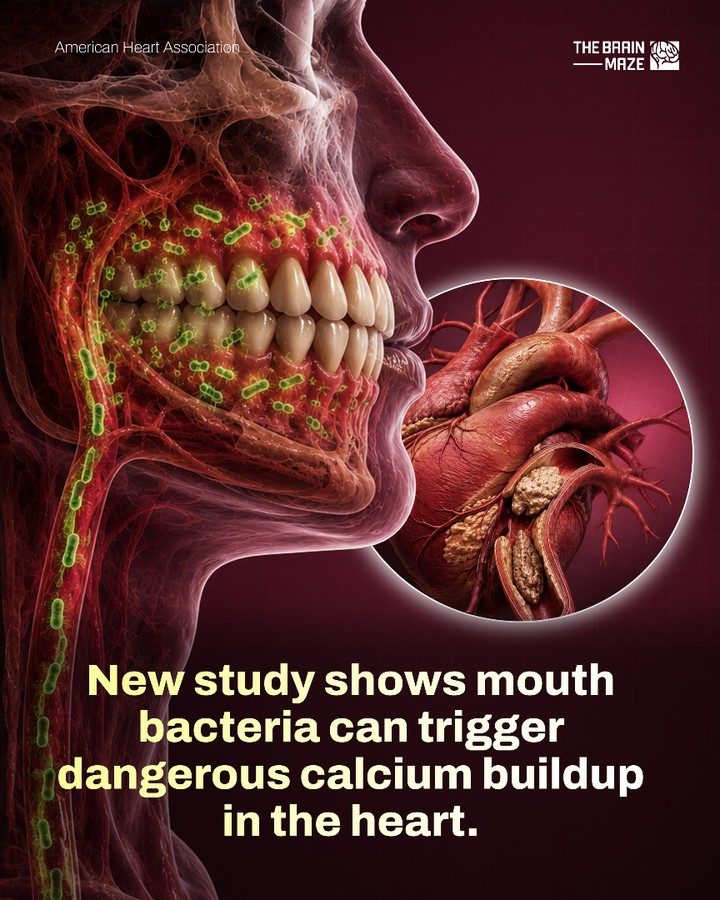
A preliminary study presented at the American Heart Association’s 2026 scientific meeting has uncovered a significant link between oral bacteria and heart health. The study suggests that bacteria associated with gum disease may travel to the aortic valve, triggering inflammation and promoting the buildup of calcium. This finding highlights a potential connection between oral health and cardiovascular health, with implications for both medical treatment and preventative care.
Context: Why This Matters
The link between oral health and overall wellness has been a subject of interest for many years. However, this new study sheds light on a specific pathway through which oral bacteria may affect the heart. Understanding this connection can help individuals take proactive steps to maintain their health, while also informing medical professionals about potential new treatment avenues.
The Study and Its Implications
The study focuses on the bacterium Porphyromonas gingivalis, which is commonly associated with gum disease. The findings suggest that this bacterium can reach the aortic valve, where it triggers inflammation and promotes calcium buildup. This process can lead to calcification, a condition where calcium deposits harden and narrow the valve, impairing its function. The study also found that antibiotics or blocking the inflammatory response through IL-1β (Interleukin-1 beta) can reduce this damage.
The Pathway from Mouth to Heart
The journey of bacteria from the mouth to the heart involves several complex processes. One key pathway is through the bloodstream. Oral bacteria can enter the bloodstream through small injuries in the mouth or through inflamed gums. Once in the bloodstream, these bacteria can travel to the heart, where they may cause inflammation and damage to the aortic valve.
The Role of Inflammation
Inflammation plays a crucial role in the development of cardiovascular diseases. Chronic inflammation in the body can lead to the buildup of plaque in the arteries, narrowing them and increasing the risk of heart attacks and strokes. In the context of this study, the inflammation triggered by oral bacteria in the aortic valve can lead to calcium buildup, further exacerbating cardiovascular issues.
Main Discussion
Oral Health and Cardiovascular Disease
The connection between oral health and cardiovascular disease is not new, but the specific mechanisms behind this link are still being explored. Previous studies have suggested that individuals with gum disease are at a higher risk of developing heart disease. This new research provides a clearer picture of how oral bacteria may contribute to cardiovascular problems.
Preventative Measures
Understanding the connection between oral health and heart health can help individuals take preventative measures to protect their overall well-being. Regular dental check-ups, good oral hygiene practices, and prompt treatment of gum disease can help reduce the risk of bacterial infection spreading to the heart.
Medical Interventions
For those already at risk, the study offers hope in the form of potential medical interventions. Antibiotics and anti-inflammatory treatments, such as blocking IL-1β, may offer new ways to manage and mitigate the damage caused by oral bacteria in the heart. Further research and clinical trials are needed to fully understand the efficacy and safety of these treatments.
The Role of Porphyromonas gingivalis
Porphyromonas gingivalis is a key player in the development of gum disease and has been linked to various health issues beyond the mouth. This bacterium can produce enzymes that break down connective tissues, leading to inflammation and tissue damage. The study's findings suggest that these same enzymes may be involved in the calcification of the aortic valve, highlighting the importance of addressing gum disease promptly.
Inflammation and IL-1β
Inflammation is a natural response to infection or injury, but chronic inflammation can lead to significant health issues. IL-1β is a pro-inflammatory cytokine that plays a central role in the body's immune response. Blocking IL-1β can help reduce inflammation and prevent further damage to the aortic valve. While more research is needed to fully understand the benefits and risks of this approach, the study provides a promising avenue for future treatments.
The Importance of Early Detection and Treatment
Early detection and treatment of gum disease are crucial in preventing the spread of bacteria to the heart. Regular dental check-ups, along with good oral hygiene practices, can help identify and treat gum disease before it progresses. By taking proactive steps to maintain oral health, individuals can reduce the risk of developing cardiovascular issues related to oral bacteria.
Practical Tips
Maintaining Good Oral Hygiene
Good oral hygiene is the first line of defense against oral bacteria. Regular brushing and flossing can help remove plaque and bacteria from the mouth, reducing the risk of gum disease. Using an antimicrobial mouthwash can also help kill bacteria and prevent infections.
Regular Dental Check-Ups
Regular dental check-ups are essential for maintaining oral health. Dentists can identify and treat gum disease in its early stages, preventing the spread of bacteria to other parts of the body. During a dental check-up, the dentist will examine the teeth and gums, perform a cleaning, and provide personalized recommendations for oral care.
Treating Gum Disease
If gum disease is detected, prompt treatment is essential. Treatment options may include deep cleaning, antibiotics, or more advanced procedures, such as gum surgery. Following the dentist's recommendations and completing the prescribed treatment can help prevent further damage and reduce the risk of complications.
Adopting a Heart-Healthy Lifestyle
A heart-healthy lifestyle can also help reduce the risk of cardiovascular disease. Eating a balanced diet, engaging in regular physical activity, and avoiding smoking can all contribute to better heart health. By taking a holistic approach to wellness, individuals can protect their hearts and reduce the risk of complications related to oral bacteria.
Important Takeaways
Maintaining good oral health is essential for overall well-being. The study presented at the American Heart Association’s 2026 scientific meeting highlights the potential link between oral bacteria and heart health. Porphyromonas gingivalis, a bacterium associated with gum disease, can trigger inflammation and calcium buildup in the aortic valve, leading to calcification and impaired heart function. However, antibiotics and anti-inflammatory treatments, such as blocking IL-1β, may offer promising avenues for managing and mitigating this damage.
Preventative Care
Preventative care is crucial in addressing the connection between oral health and heart health. Regular dental check-ups, good oral hygiene, and prompt treatment of gum disease can help reduce the risk of bacteria spreading to the heart. By taking proactive steps to maintain oral health, individuals can protect their hearts and reduce the risk of cardiovascular complications.
Future Research
While the study provides valuable insights into the connection between oral bacteria and heart health, more research is needed to fully understand the mechanisms involved. Future studies should focus on exploring the efficacy and safety of antibiotics and anti-inflammatory treatments, as well as developing new preventative and treatment options.
Holistic Approach
Adopting a holistic approach to wellness, which includes maintaining good oral health, regular dental check-ups, and a heart-healthy lifestyle, can help reduce the risk of cardiovascular disease. By taking a proactive approach to health, individuals can protect their hearts and improve their overall well-being.
Conclusion
The connection between oral health and cardiovascular health is a complex and evolving field of study. The preliminary study presented at the American Heart Association’s 2026 scientific meeting highlights the potential role of oral bacteria in the development of heart disease. By understanding this connection, individuals can take proactive steps to maintain their health and reduce the risk of complications. Regular dental check-ups, good oral hygiene, and a heart-healthy lifestyle can all contribute to better heart health, while prompt treatment of gum disease can help prevent the spread of bacteria to the heart. Through continued research and a holistic approach to wellness, we can protect our hearts and improve our overall well-being.
Watch the Reel
Questions readers ask
How does gum disease bacteria reach the heart?
Gum disease bacteria, such as Porphyromonas gingivalis, can enter the bloodstream through inflamed or bleeding gums. From there, they may travel to the heart, potentially affecting the aortic valve, as suggested by a study from the American Heart Association’s 2026 scientific meeting.
What is the impact of bacteria on the aortic valve?
Bacteria from gum disease can cause inflammation of the aortic valve and promote the buildup of calcium, leading to potential heart health issues. This highlights the significance of maintaining good oral hygiene for overall heart health.
Can improving oral hygiene prevent heart disease?
While more research is needed, the study presented at the American Heart Association’s 2026 scientific meeting suggests that maintaining good oral hygiene can help prevent gum disease, reducing the risk of bacteria entering the bloodstream and affecting the heart.
What is Porphyromonas gingivalis and how does it affect the heart?
Porphyromonas gingivalis is a type of bacteria commonly associated with gum disease. When present in the mouth, it can migrate to the heart, triggering inflammation and calcium buildup in the aortic valve, thereby impacting heart health.
What did the 2026 American Heart Association study reveal about heart health?
The 2026 American Heart Association study revealed a significant connection between oral bacteria and heart health, specifically highlighting how bacteria from gum disease can cause aortic valve inflammation and calcium buildup, ultimately affecting the heart.
How does calcium buildup in the heart occur due to gum disease?
Gum disease bacteria can cause the body to produce inflammation and hardening of tissues in the heart. This inflammation can cause calcium deposits to form in the aortic valve, a process known as calcification. This buildup can lead to narrowing of the aortic valve and other heart health issues.
What preventive measures can be taken based on this study’s findings?
Based on the study’s findings, maintaining good oral hygiene is crucial. Regular dental check-ups, brushing, and flossing can help prevent gum disease, reducing the risk of bacteria entering the bloodstream and potentially affecting heart health.
Related deep dives
Similar reads based on topic and creator.



Recent articles
Fresh deep dives from the latest Reels we unpacked.




Comments
Be the first to comment.