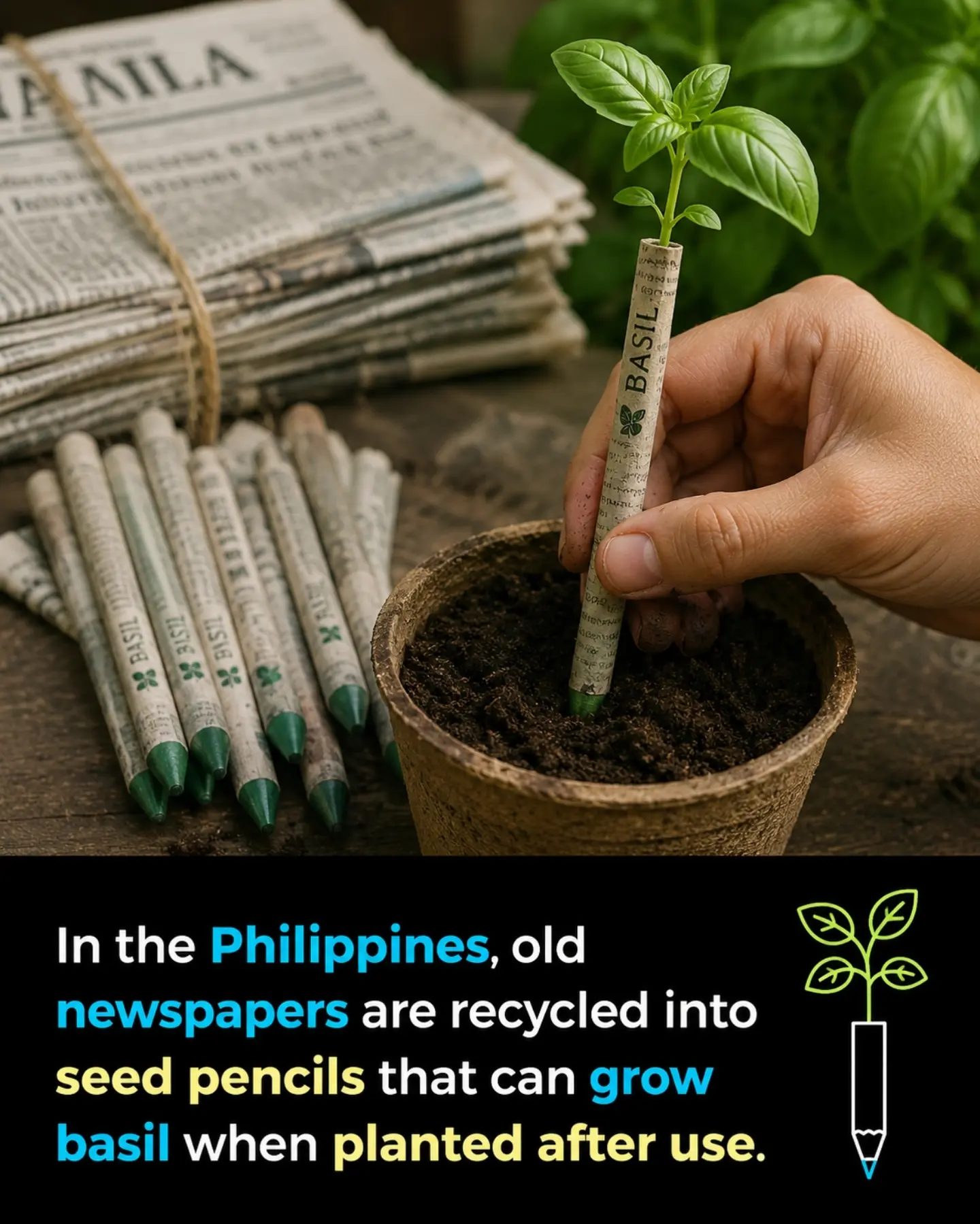
Growing Basil from Seed Pencils
Seed pencils offer a unique and eco-friendly way to grow herbs like basil. These innovative tools are crafted from recycled newspapers, making them a sustainable choice for gardeners. In the Philippines, this practice is particularly popular, where old newspapers are repurposed into seed pencils that can grow basil after use.
Context / Why This Matters
The concept of seed pencils is not just about growing fresh herbs; it's also about reducing waste. By turning old newspapers into seed pencils, we can minimize paper waste and promote a greener lifestyle. Basil, being a versatile and widely used herb, makes an excellent choice for this eco-friendly initiative. It can be used in various dishes, from salads to pasta, and even in beverages like lemonade.
Main Discussion
What Are Seed Pencils?
Seed pencils are cylindrical-shaped tools typically filled with seeds and soil. They are designed to be planted directly into the ground or a pot, allowing the seeds inside to germinate and grow into plants. These pencils are made from biodegradable materials, ensuring they can be easily integrated into the soil and contribute to the growth of the plant. The key to seed pencils' success lies in their design and the quality of the seeds and soil used.
The Process of Growing Basil from Seed Pencils
Planting basil from seed pencils is straightforward. Here’s a step-by-step guide:
- Prepare Your Pot or Garden Bed: Fill a pot with potting soil or prepare a small garden bed with well-drained soil. Ensure the soil is loose and free from large clumps.
- Plant the Seed Pencil: Hold the seed pencil and place it vertically into the soil. Press it gently to secure it in place. The pencil should be buried deep enough so the seeds inside can germinate.
- Water Regularly: Keep the soil moist but not waterlogged. Basil seeds typically germinate within 7-10 days. Once the seedlings emerge, water them consistently to promote healthy growth.
- Provide Adequate Light: Place the pot or garden bed in a location with plenty of sunlight. Basil thrives in sunny conditions and requires at least 6-8 hours of direct sunlight per day.
- Maintain Growth Conditions: Keep an eye on the plant as it grows. Ensure it has enough space, proper drainage, and enough nutrients. Once the plant reaches a certain height, you may need to fertilize it to support further growth.
Benefits of Using Seed Pencils
Using seed pencils to grow basil offers several advantages:
- Eco-Friendly: By recycling old newspapers, we reduce waste and contribute to a greener environment.
- Sustainability: Seed pencils are biodegradable, meaning they decompose naturally in the soil without leaving any harmful residues.
- Convenience: These pencils are pre-packaged with seeds and soil, making the planting process simple and hassle-free.
- Efficient Use of Space: Seed pencils allow you to grow herbs in small spaces, such as balconies or windowsills, where traditional planting methods might be impractical.
- Cost-Effective: Growing your own basil can be more affordable than buying fresh herbs from the store, especially if you use seed pencils.
Basil: A Versatile Herb
Basil is a popular herb known for its vibrant flavor and aroma. It comes in various types, including sweet basil, Thai basil, and Genovese basil, each with its unique characteristics. Basil is rich in antioxidants and has several health benefits, including reducing inflammation and supporting heart health.
Practical Tips
- Choose the Right Soil: Use well-drained potting soil or garden soil enriched with compost for optimal growth.
- Monitor Light Exposure: Ensure your basil plant gets enough sunlight, but avoid placing it in direct, intense sunlight for extended periods, as this can scorch the leaves.
- Watering Schedule: Water your basil plant consistently, allowing the top layer of soil to dry out slightly between waterings.
- Pruning: Regularly prune the basil plant to encourage bushier growth and prevent it from becoming leggy.
Important Takeaways
- Eco-Friendly Gardening: Growing basil from seed pencils is an excellent way to practice eco-friendly gardening. It reduces waste and promotes sustainable living.
- Convenience and Efficiency: Seed pencils make planting and growing herbs easy and efficient, even for beginners.
- Health and Culinary Benefits: Basil is a versatile herb with numerous health benefits and culinary uses, making it a valuable addition to any garden or kitchen.
Conclusion
Growing basil from seed pencils is a sustainable and rewarding experience. It not only helps reduce waste but also provides fresh, flavorful herbs for your culinary needs. By following the steps outlined and adhering to the tips provided, you can successfully grow basil and enjoy its many benefits. Give seed pencils a try and contribute to a greener, more sustainable lifestyle.
Watch the Reel
Questions readers ask
What are seed pencils and how are they made from recycled newspapers?
Seed pencils are tools used for planting seeds, made by rolling a strip of newspaper around a pencil, adding soil and seeds, and then allowing it to dry. The newspaper strip is then carefully removed, creating a pencil-shaped seed starter. This method turns old newspapers into a useful and sustainable gardening tool. The process is simple and requires only a few basic materials.
Why is basil a good herb to grow using seed pencils?
Basil is an excellent choice for growing with seed pencils due to its versatility and popularity in various dishes and beverages. It grows well from seed and thrives in small pots. Additionally, basil plants have a compact growth habit, making them ideal for indoor and urban gardening settings.
Can seed pencils be used for other herbs besides basil?
Yes, while basil is a popular choice, seed pencils can be used to grow a variety of other herbs and small plants. Some options include parsley, chives, and even small flowers. The key is to choose plants with small seeds that can be effectively distributed along the newspaper strip.
How do I care for a basil plant grown from a seed pencil?
Once your basil seed pencil has taken root and grown into a small plant, you can transplant it into a pot with well-draining soil. Basils need plenty of sunlight, typically 6-8 hours a day, and regular watering. Keep the soil moist but not waterlogged, and ensure the plant has good drainage to prevent root rot.
What are the benefits of using seed pencils for gardening?
Seed pencils offer several benefits. They are an eco-friendly way to upcycle old newspapers, reducing paper waste. They also make it easy to plant seeds at a consistent depth and spacing, and the newspaper decomposes naturally, providing nutrients to the growing plant. This method is particularly useful for indoor and small-space gardening, allowing you to grow fresh herbs year-round.
Can I make seed pencils with other types of paper besides newspapers?
While newspapers are the most common material for making seed pencils, you can experiment with other types of paper. However, it's important to choose uncoated, non-glossy paper that can decompose naturally. Avoid using paper with heavy inks or chemicals, as these can be harmful to the plants and the environment. Newspaper is a popular choice because it is readily available and typically free from harmful substances.
How long does it take for basil to grow from a seed pencil?
The germination process for basil seeds typically takes 5–10 days, depending on environmental factors such as temperature and moisture. Once the seeds have germinated, the basil plants will continue to grow, and you can expect to see significant growth within 4-6 weeks. With proper care, your basil plant can be harvested in about 2-3 months.
Related deep dives
Similar reads based on topic and creator.



Recent articles
Fresh deep dives from the latest Reels we unpacked.




Comments
Be the first to comment.