The Silent Destroyer
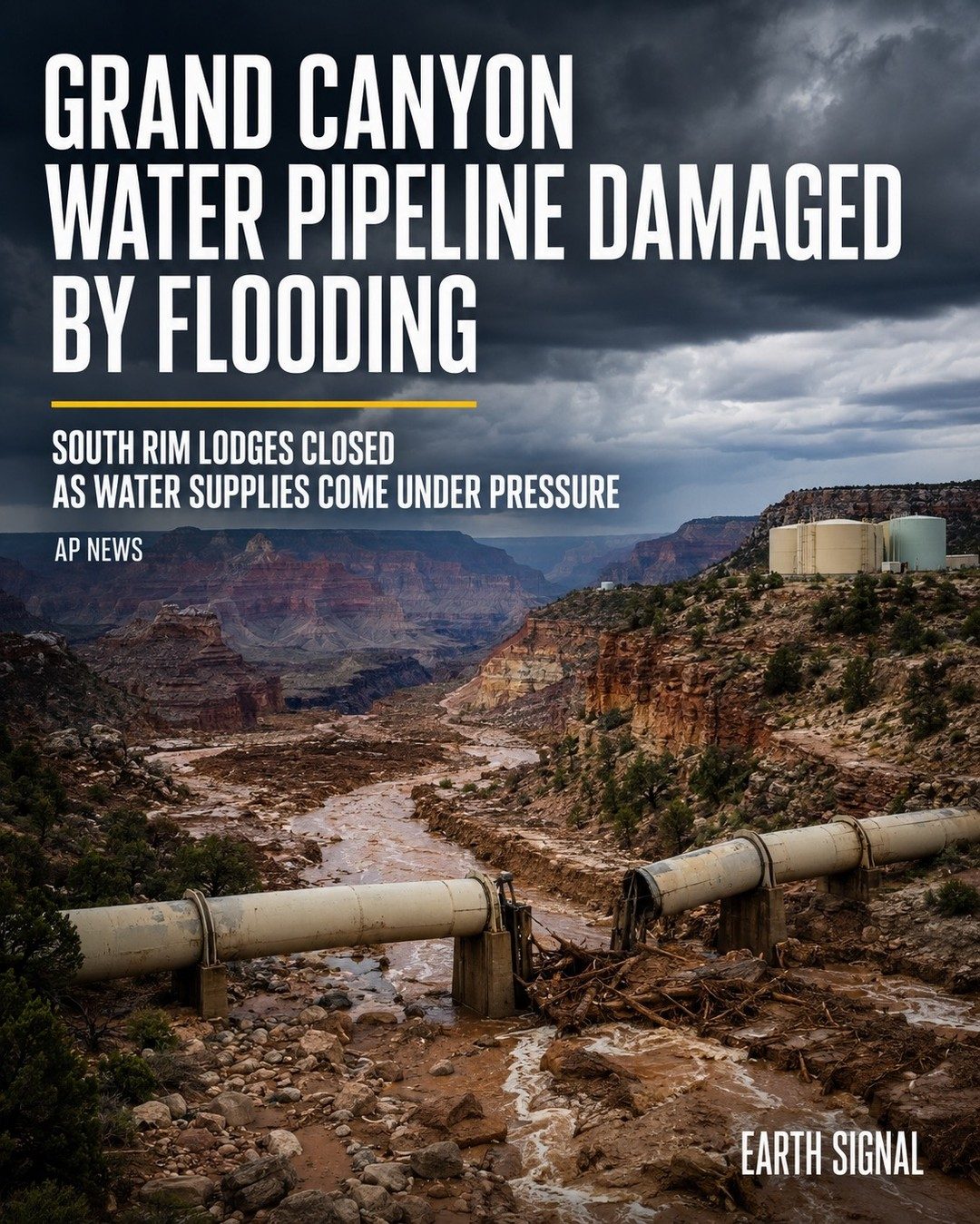
Water, the life force, can also be an enemy. With recent flooding in the Grand Canyon, a mighty force of nature has left its damaging mark. That mark includes a damaged water pipeline, and is rendering the environment vulnerable to scarcity. The Grand Canyon is a UNESCO World Heritage site, home to a vast and delicate ecosystem. The pipeline is not just an indignance, but a threat to local habitats. The pipeline's damage is visible yet its repercussions span far beyond visibility. In the aftermath of the flooding, South Rim Lodges had no choice to shut down. This closure is a clear indication of infrastructure failures in the face of natural hazards. The area is normally bustling with tourists. Even though it's difficult to quantify the economic impact, the closure of South Rim lodges is a clear monetary impact, as well as an inconvenience to its visitors. These lodges are the lifeline for many who rely on the tourism industry and are a key economic driver for the region.
An Ecological Picture of Risk
A pipeline failure can disrupt the whole ecosystem of an area. The damage is not just about how it looks. The ecosystem of the Grand Canyon is an intricate tapestry, and the pipeline damage threatens to unravel it. The damage to the pipeline could be a gateway for other hazards like leakage of chemical contaminants, pollutants, and foreign materials into the environment. The delicate balance of the ecosystem could be disrupted, and the threat of exposure to contaminants looms large. Not only that, but the pipeline carries the very water which quenches the thirst of both animals and humans. Cutting off this supply will cause both to suffer. Life has long been resilient to nature’s wrath, but the damaged pipeline makes the then insurmountable into a very real threat. The flooding has already disrupted water supplies. This could have severe consequences for the wildlife that relies on the Grand Canyon. Among the threats, there is drought damage, dehydration, and the possibility of contaminated water. The impact of drought on plant life could also be severe.
The Disrupted Lifeline
The closures and disruptions serve as a reminder that even the most resilient landscapes are vulnerable. Water is the lifeblood of the Grand Canyon, and the pipeline serves as its lifeline. However, the flooding and subsequent damage have severely disrupted this lifeline. The closure of South Rim lodges—due to water supply issues—highlights the delicate balance underpinning the region's infrastructure. Furthermore, the affected area includes what is often praised as "the most mechanical engineering marvel" in the U.S. National Park system, and officially recognized for its "engineering excellence". The water crisis is not an isolated incident—it is the result of years of human intervention. The damaged pipeline is the result of a combination of climate change and human threats such as forest fires. It is a testament to the vulnerability of infrastructure to environmental hazards. However, there are solutions—it is crucial to invest in resilient infrastructure and adopt sustainable practices. It is equally crucial to minimize the impact of human-induced threats. Whether the affected region will recover to its former glory will depend on the speed and effectiveness of these measures.
Watch the Reel
Related deep dives
Similar reads based on topic and creator.




Recent articles
Fresh deep dives from the latest Reels we unpacked.




Comments
Be the first to comment.