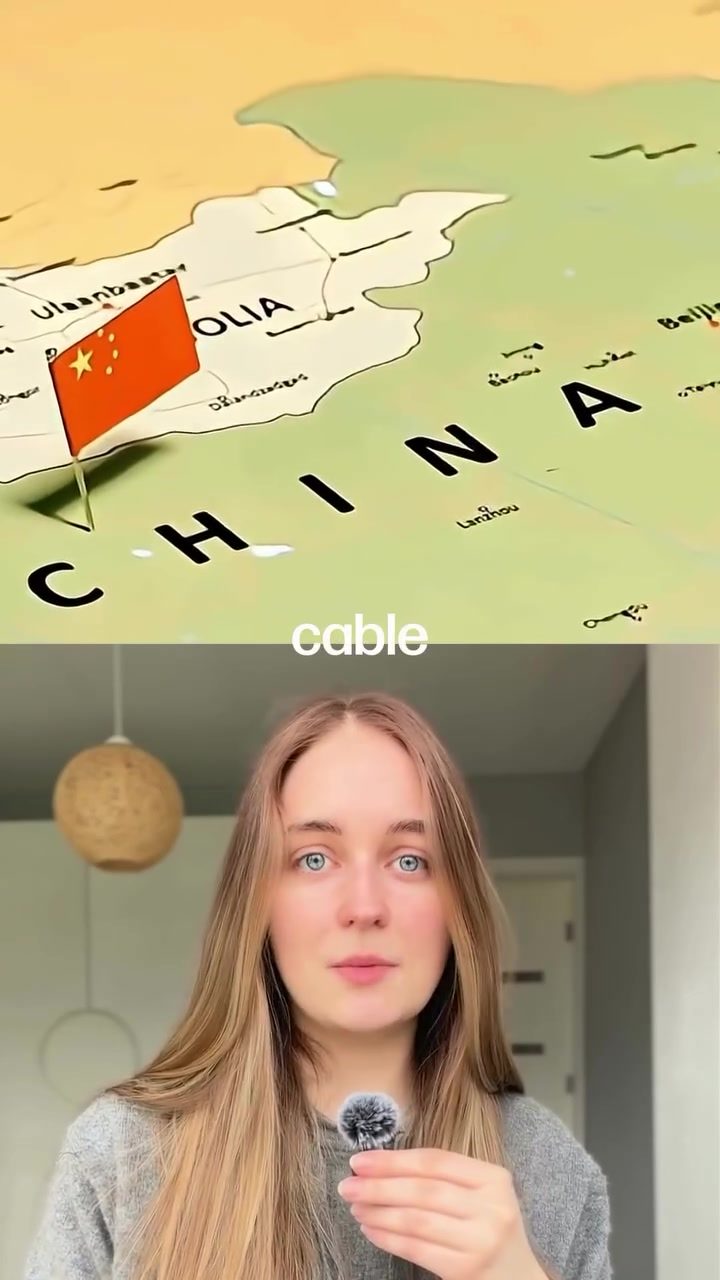
GPMI: China's Universal Cable Standard
China has developed a new universal cable standard called GPMI, designed to challenge Western-dominated connectivity norms. This advanced interface integrates a variety of functionalities, aiming to replace multiple existing standards, including HDMI, DisplayPort, network cables, audio cables, USB, and even Thunderbolt 5. Let's delve into the capabilities and implications of this new technology.
Context / Why this matters
The GPMI standard is a significant development in the realm of connectivity technology. By combining multiple functionalities into a single interface, it offers a streamlined and efficient solution for data transfer, video transmission, and power delivery. This innovation is backed by a major Chinese technology alliance, uniting about 60 leading companies, which underscores its potential to disrupt the current market landscape.
Main discussion
Capabilities and Specifications
The GPMI interface is capable of transmitting 8K video, providing data transfer speeds up to 192 Gbps, and delivering nearly 500W of power simultaneously. This multitasking capability makes it a versatile option for various devices, from high-resolution displays to powerful computing setups.
Plug-and-Play Compatibility
One of the standout features of GPMI is its compatibility with both Type-E and Type-C ports. This dual compatibility ensures broad applicability, making it a convenient choice for a wide range of devices. Additionally, its plug-and-play functionality means that users can connect devices without the need for complex settings or configurations.
Practical tips
Integrating GPMI into Existing Setups
While GPMI is designed to replace multiple existing standards, it's important to consider how it can be integrated into current setups. Here are some tips for a smooth transition:
-
Assess Current Hardware: Check which devices and peripherals are currently using HDMI, DisplayPort, USB, or other standards that GPMI aims to replace. This will help in planning the transition.
-
Upgrade Gradually: Instead of replacing all cables and ports at once, consider upgrading devices and ports gradually. This approach can help manage costs and ensure compatibility with existing equipment.
-
Use Adaptors: During the transition phase, using adaptors can be a practical solution. Adaptors can connect GPMI to existing standards, providing a temporary workaround until all devices are upgraded.
Maintenance and Upkeep
Maintaining GPMI cables and ports involves similar practices to those used for existing cable standards. Regular cleaning and inspection can help prevent dust buildup and ensure optimal performance. Additionally, handling cables with care and avoiding excessive bending can extend their lifespan.
Important takeaways
- GPMI is a versatile and powerful universal cable standard developed by a major Chinese technology alliance.
- It combines multiple functionalities, including 8K video transmission, high-speed data transfer, and power delivery.
- Compatibility with Type-E and Type-C ports, along with plug-and-play functionality, makes GPMI a convenient choice for various devices.
- The transition to GPMI should be planned carefully, considering current hardware and gradual upgrades.
- Adaptors and regular maintenance can help ensure a smooth transition and optimal performance.
Conclusion
The GPMI standard represents a significant advancement in connectivity technology, offering a comprehensive solution for video transmission, data transfer, and power delivery. With its broad compatibility and plug-and-play functionality, GPMI has the potential to become a dominant standard in the tech industry. As more devices and peripherals adopt this new interface, it will be interesting to see how the connectivity landscape evolves and whether the West will embrace or resist this new standard.
Watch the Reel
Questions readers ask
What is the GPMI standard and why is it significant?
The GPMI standard is China's new universal cable standard designed to integrate multiple connectivity interfaces into a single solution. Its significance lies in its ability to simplify data transfer, video transmission, and power delivery, thereby challenging Western-dominated connectivity norms.
Which existing standards does the GPMI aim to replace?
GPMI aims to replace multiple existing standards, including HDMI, DisplayPort, network cables, audio cables, USB, and even Thunderbolt 5. By consolidating these into one interface, GPMI offers a more streamlined and efficient connectivity solution.
What functionalities does the GPMI standard support?
GPMI supports high-resolution video transmission, fast data transfer, and extensive power delivery. This makes it a versatile solution for a wide range of applications, from home entertainment to professional use.
Who is backing the GPMI standard?
The GPMI standard is supported by a major Chinese technology alliance, which includes key players in the industry. This backing ensures robust development and promotion of the standard, enhancing its prospects for widespread adoption.
How does GPMI compare to existing cable standards?
GPMI stands out by combining multiple functionalities into a single interface, unlike existing standards that often require separate cables for different tasks. This integration simplifies setup and reduces clutter, making it a more convenient option.
What are the potential benefits of adopting the GPMI standard?
Adopting the GPMI standard can lead to a more streamlined and efficient connectivity experience. Users can benefit from reduced cable clutter, simplified setup processes, and enhanced performance in data transfer and video transmission.
What are the implications of GPMI for the global technology market?
The introduction of GPMI signifies a shift in the global technology market, challenging the dominance of Western cable standards. This innovation could lead to increased competition and potentially drive advancements in connectivity technology worldwide.
Related deep dives
Similar reads based on topic and creator.



Recent articles
Fresh deep dives from the latest Reels we unpacked.


Comments
Be the first to comment.