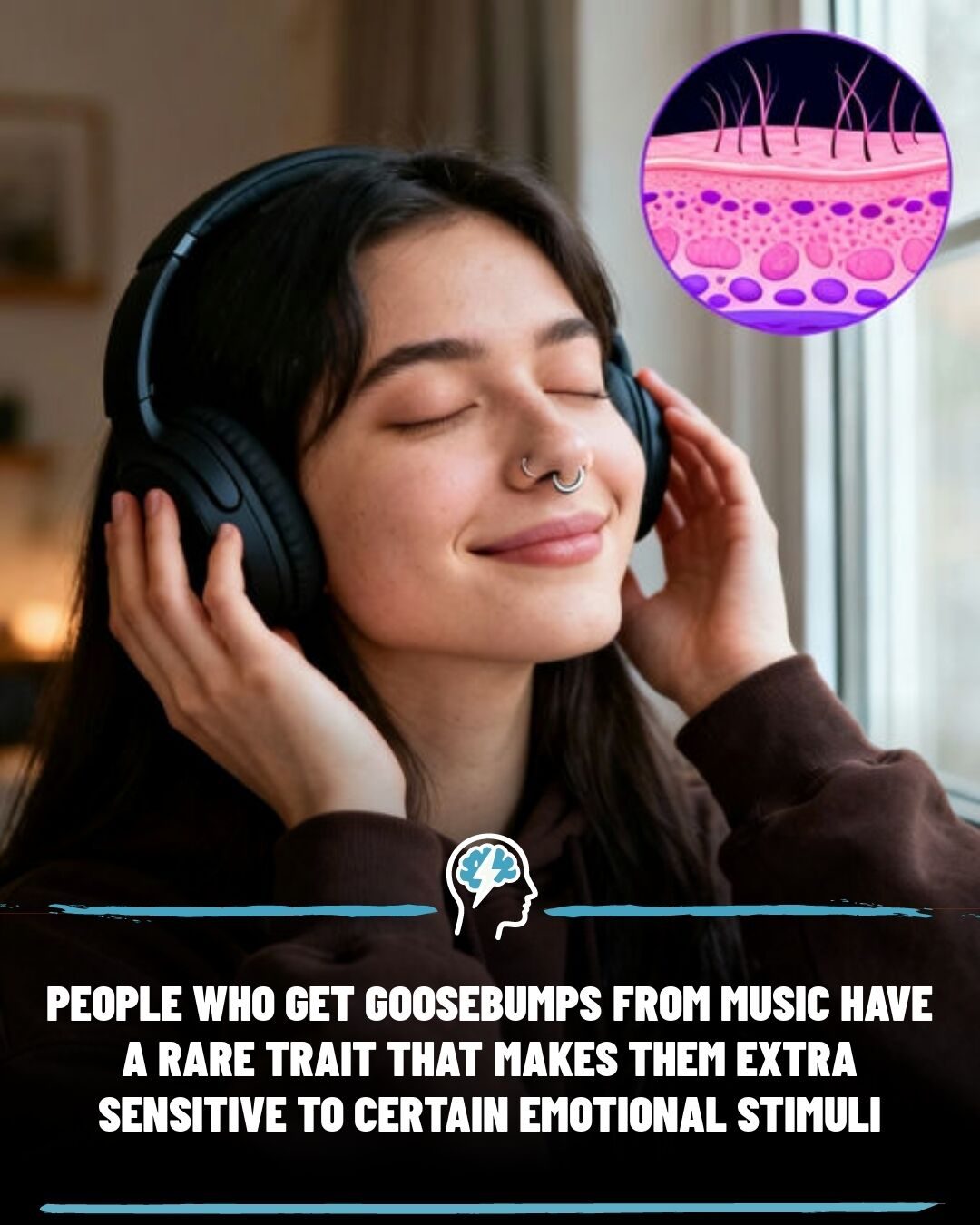
Goosebumps and Emotional Sensitivity
Music has an extraordinary ability to evoke strong emotions, and for some people, this emotional response can manifest physically as goosebumps. This phenomenon, known as frisson, is a real psychophysiological response where powerful musical moments can trigger shivers, goosebumps, and waves of emotion. But what exactly causes this spine-tingling sensation, and what does it reveal about our brains?
Context / Why this matters
The experience of frisson is more than just a pleasant sensation. It is a biological response to music that can offer insights into how our brains process emotional stimuli. Understanding this response can shed light on the intricate workings of the brain, particularly the interplay between auditory and emotional processing systems.
Main discussion
The Science Behind Frisson
Frisson is triggered by specific elements in music, such as surprising harmonies, sudden shifts from soft to loud, and unexpected changes in melody or rhythm. When these elements occur, your brain is essentially predicting what comes next. When the music delivers something unexpected yet satisfying, the reward centers in the brain light up. This release of dopamine creates a rush of pleasure.
Enhanced Neural Connectivity
Research indicates that people who experience musical chills, like goosebumps, often have stronger connections between the auditory cortex and emotional processing regions of the brain. This enhanced connectivity may make them more sensitive to emotionally charged sounds. This means that their brains are wired in a way that allows for a deeper emotional engagement with music.
Musical Elements that Trigger Frisson
Several musical elements can trigger frisson. One of the most common triggers is an unexpected key change, often paired with a sudden swell in the music. This shift can catch the listener off guard, leading to a surge of emotion and physical sensations like goosebumps. Additionally, sudden shifts from soft to loud, changes in rhythm, or harmonies that defy expectations can all evoke this response.
Practical tips
Enhancing Your Musical Experience
If you enjoy experiencing frisson, there are a few ways to enhance your musical encounters. Listening to music with headphones can make the experience more immersive, as it blocks out external distractions and allows you to focus on the nuances of the music. Additionally, try listening to a variety of genres to discover new triggers for frisson.
Exploring New Music
Experimenting with different types of music can also heighten your chances of experiencing frisson. Explore genres that are known for their emotional depth, such as classical, jazz, or cinematic soundtracks. These genres often incorporate elements like unexpected harmonies, dynamic changes, and intricate compositions that can trigger frisson.
Creating the Right Environment
The environment in which you listen to music can also impact your frisson experience. Create a calm, distraction-free space where you can fully immerse yourself in the music. This could be a quiet room, a comfortable chair, or even a peaceful outdoor setting. The goal is to minimize external stimuli so that you can focus entirely on the music and the emotions it evokes.
Important takeaways
Understanding Frisson
Understanding the concept of frisson can enhance your appreciation for music and the emotional responses it evokes. Whether you experience goosebumps frequently or rarely, knowing that this response is tied to specific elements in music can deepen your connection with the art form.
The Importance of Individual Sensitivity
It is essential to recognize that not everyone experiences frisson, and the intensity of the response can vary widely from person to person. This variability is one of the many ways our brains respond to art and emotion. It is not a measure of musical appreciation or emotional depth but rather a unique aspect of our cognitive and emotional landscape.
Conclusion
Frisson, the phenomenon of experiencing goosebumps from music, is a fascinating window into the workings of the brain. It reveals how our auditory and emotional systems interact to create powerful, visceral responses to music. Whether you experience this sensation frequently or occasionally, it serves as a reminder of the profound impact that music can have on our emotional and physical well-being. The next time a song gives you chills, take a moment to appreciate the intricate dance between your brain and the music, a testament to the beauty and complexity of human experience.
Watch the Reel
Questions readers ask
What exactly is frisson and how does it relate to music?
Frisson is a psychophysiological response characterized by shivers, goosebumps, and waves of emotion. In the context of music, it occurs when specific elements like chord progressions, melodies, or lyrics evoke a strong emotional response, triggering this physical reaction.
Why do some people experience goosebumps from music more than others?
The tendency to experience frisson from music varies among individuals due to differences in emotional sensitivity and brain structure. Some people may have more pronounced emotional responses due to heightened sensitivity to auditory and emotional stimuli.
What parts of the brain are involved in the frisson experience?
The experience of frisson involves multiple brain regions, including the auditory cortex, which processes sound, and the nucleus accumbens, which is associated with reward and pleasure. The interplay between these areas helps explain why music can evoke such powerful emotional and physical responses.
Can listening to specific types of music increase the likelihood of experiencing frisson?
Yes, certain musical elements are more likely to trigger frisson. These include sudden dynamic changes, resonant chords, and unexpected harmonies. Music that incorporates these elements, such as classical or emotional ballads, may increase the chances of experiencing goosebumps.
Is there a relationship between musical training and the likelihood of experiencing frisson?
While musical training can enhance appreciation and understanding of music, it does not necessarily increase the likelihood of experiencing frisson. Emotional sensitivity to music is more closely linked to individual differences in brain structure and personal emotional responses.
Are there any health benefits associated with experiencing frisson from music?
Experiencing frisson can release dopamine, a neurotransmitter associated with pleasure and reward. This can contribute to feelings of well-being and mood enhancement. Additionally, the emotional release from music can help reduce stress and anxiety, offering a form of emotional catharsis.
Related deep dives
Similar reads based on topic and creator.



Recent articles
Fresh deep dives from the latest Reels we unpacked.




Comments
Be the first to comment.