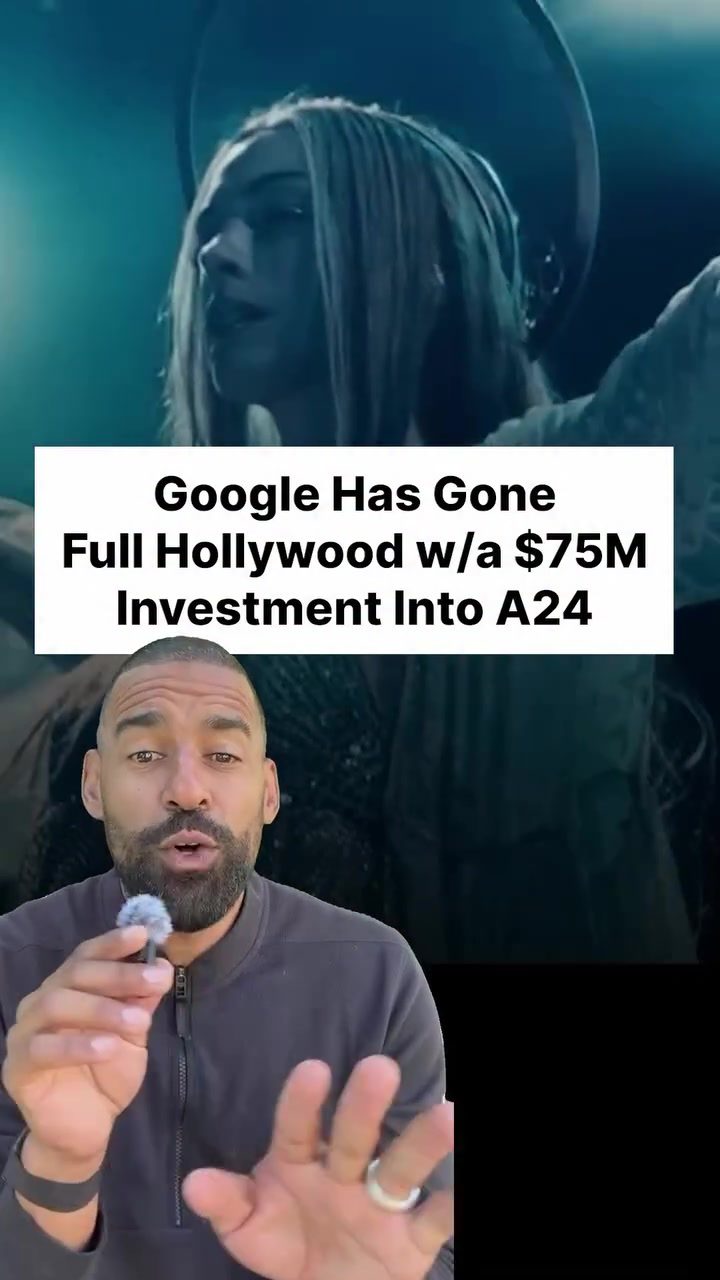
Google's $75 Million Investment in A24: A Strategic Move in the AI Era
Google's recent $75 million investment in the indie film studio A24 marks a significant shift in Hollywood's landscape. This isn't just another corporate move; it's a strategic play that aligns with the evolving role of artificial intelligence in the film industry. Let's dive into why this partnership is a game-changer and what it means for the future of filmmaking.
Why This Matters
The creative community, including musicians, writers, and directors, has been cautious and sometimes resistant to the adoption of AI. Google's investment in A24 indicates a shift in strategy. Instead of pushing AI tools onto major studios like Warner Bros or Universal, Google has chosen to collaborate with one of the most culturally credible indie studios. This move aims to leverage A24's reputation to ease the creative community's transition into the AI era.
The Rise of Indie Filmmaking and AI
A24's success story is a testament to the power of indie filmmaking. Films like "Backrooms," made on a $10 million budget using free software, have grossed over $262 million worldwide. A24's backing of such projects has proven that high-quality, low-budget films can compete with big-budget productions.
Google's investment in A24 isn't just about making movies; it's about reducing the friction around the filmmaking process. AI can streamline tasks like storyboarding, pre-visualization, VFX iteration, production scheduling, editing workflows, and distribution optimization. These are the 'boring but expensive' tasks that eat up most of a film's budget. By compressing these processes, AI allows independent filmmakers with smaller budgets to feel the impact first and most.
AI in Filmmaking: More Than Just Tools
The partnership between Google and A24 goes beyond just providing AI tools. It's about creating a stronger creative ecosystem. AI's first job in Hollywood isn't making the movie; it's about reducing the friction around making it. This includes tasks that, while crucial, are often overlooked and underappreciated. The biggest studios spend hundreds of millions of dollars coordinating thousands of tiny decisions. AI compresses all of that, making the filmmaking process more efficient and cost-effective.
For instance, storyboarding and pre-visualization can be significantly accelerated with AI tools. Similarly, VFX iteration, which often involves long hours of manual labor, can be sped up. Production scheduling and editing workflows can also benefit from AI, reducing the time and cost involved. Distribution optimization, another crucial but often overlooked aspect, can be enhanced with AI to ensure films reach their target audience more effectively.
The Broader Story: Google's Rebuilding Phase
Google's investment in A24 is part of a broader rebuilding phase. Like other FAANG companies, Google is positioning itself to capitalize on the next century of innovation. The companies that win the AI era won't just have the best models; they'll have the strongest creative ecosystems wrapped around them. This partnership is one of the clearest signals yet that Google is serious about integrating AI into the creative process.
But the implications go beyond filmmaking. Every industry, every business model, has a larger opportunity hiding inside of it. By leveraging AI, companies can streamline operations, reduce costs, and enhance creativity. This is the future of innovation, and Google is positioning itself at the forefront.
How AI Can Transform Filmmaking
AI can transform various aspects of the filmmaking process. Here are a few practical ways AI can be integrated into film production:
Storyboarding and Pre-Visualization
Storyboarding and pre-visualization are crucial steps in the filmmaking process. AI can help by generating realistic 3D models, simulating camera angles, and even predicting the emotional impact of different scenes. This can save time and resources, allowing filmmakers to focus on the creative aspects of their projects.
VFX Iteration
Visual effects (VFX) are a significant part of modern filmmaking. However, the process can be time-consuming and expensive. AI can accelerate VFX iteration by automating repetitive tasks, predicting potential issues, and even suggesting improvements. This can significantly reduce the time and cost involved in creating VFX.
Production Scheduling
Production scheduling is a complex process that involves coordinating hundreds of tasks and thousands of decisions. AI can optimize production schedules by predicting potential delays, allocating resources more efficiently, and ensuring that the project stays on track. This can help filmmakers avoid costly delays and ensure that their projects are completed on time and within budget.
Editing Workflows
Editing is another crucial aspect of filmmaking. AI can enhance editing workflows by automating repetitive tasks, suggesting edits based on the film's narrative, and even predicting the emotional impact of different edits. This can help editors create more compelling films while saving time and resources.
Distribution Optimization
Distribution is a critical aspect of filmmaking, but it's often overlooked. AI can optimize distribution by analyzing audience data, predicting box office performance, and even suggesting the best release strategies. This can help filmmakers ensure that their films reach the right audience and achieve commercial success.
Important Takeaways
AI's Role in the Creative Process
AI's first job in Hollywood isn't making the movie; it's about removing the friction around making it. This includes tasks like storyboarding, pre-visualization, VFX iteration, production scheduling, editing workflows, and distribution optimization.
The Creative Ecosystem
The companies that win the AI era won't just have the best models; they'll have the strongest creative ecosystems wrapped around them. Google's investment in A24 is a clear signal that the company is serious about integrating AI into the creative process.
The Future of Innovation
Every industry, every business model, has a larger opportunity hiding inside of it. By leveraging AI, companies can streamline operations, reduce costs, and enhance creativity. This is the future of innovation, and Google is positioning itself at the forefront.
Conclusion
Google's $75 million investment in A24 is more than just a financial move; it's a strategic play that leverages AI to transform the film industry. By partnering with one of the most culturally credible indie studios, Google is positioning itself to capitalize on the next century of innovation. The companies that win the AI era won't just have the best models; they'll have the strongest creative ecosystems wrapped around them. This is the future of innovation, and Google is leading the way.
Watch the Reel
Questions readers ask
What is the significance of Google's $75 million investment in A24?
Google's $75 million investment in A24 signifies a strategic shift towards integrating AI into the film industry, particularly focusing on indie filmmaking. This partnership aims to make film production more efficient and accessible by streamlining processes from initial concept to final distribution.
How does AI integration benefit indie filmmakers?
AI integration can significantly benefit indie filmmakers by reducing costs and barriers typically associated with traditional filmmaking. AI tools can assist in various stages of production, from AI screenwriting to marketing, allowing indie filmmakers to focus more on creative aspects rather than logistical challenges.
What specific processes in filmmaking can AI streamline?
AI can streamline numerous processes in filmmaking, including storyboarding, budgeting, marketing, and distribution. AI tools can help generate initial story ideas, manage budgets more efficiently, create targeted marketing strategies, and optimize distribution channels, making the entire film production cycle more efficient.
Why did Google choose to invest in A24 rather than larger studios?
Google's investment in A24 indicates a strategic decision to collaborate with a studio that is known for its innovative and culturally significant projects. A24's indie film focus allows Google to introduce AI tools in a more receptive environment, fostering a smoother adoption of AI in the creative process.
What role does AI play in the film production process?
AI can play a pivotal role in various stages of the film production process. It can assist in the creative writing process by generating ideas and refining scripts, and it can also optimize logistics and costs during production through AI film budgeting tools. Additionally, AI can enhance film marketing efforts by analyzing audience data and creating effective promotional strategies.
How might AI impact the future of film distribution?
AI has the potential to revolutionize film distribution by optimizing the way films reach audiences. AI algorithms can analyze viewer preferences and behaviors, helping distributors to target the right audiences and choose the best platforms for maximum impact, ultimately increasing a film's reach and success.
What does this partnership mean for the future of AI in the film industry?
This partnership between Google and A24 could pave the way for broader AI adoption in the film industry. By demonstrating the practical benefits of AI in indie filmmaking, this collaboration may encourage other studios to explore AI tools, leading to a more integrated and tech-savvy approach to film production and distribution across Hollywood.
Related deep dives
Similar reads based on topic and creator.


Recent articles
Fresh deep dives from the latest Reels we unpacked.




Comments
Be the first to comment.