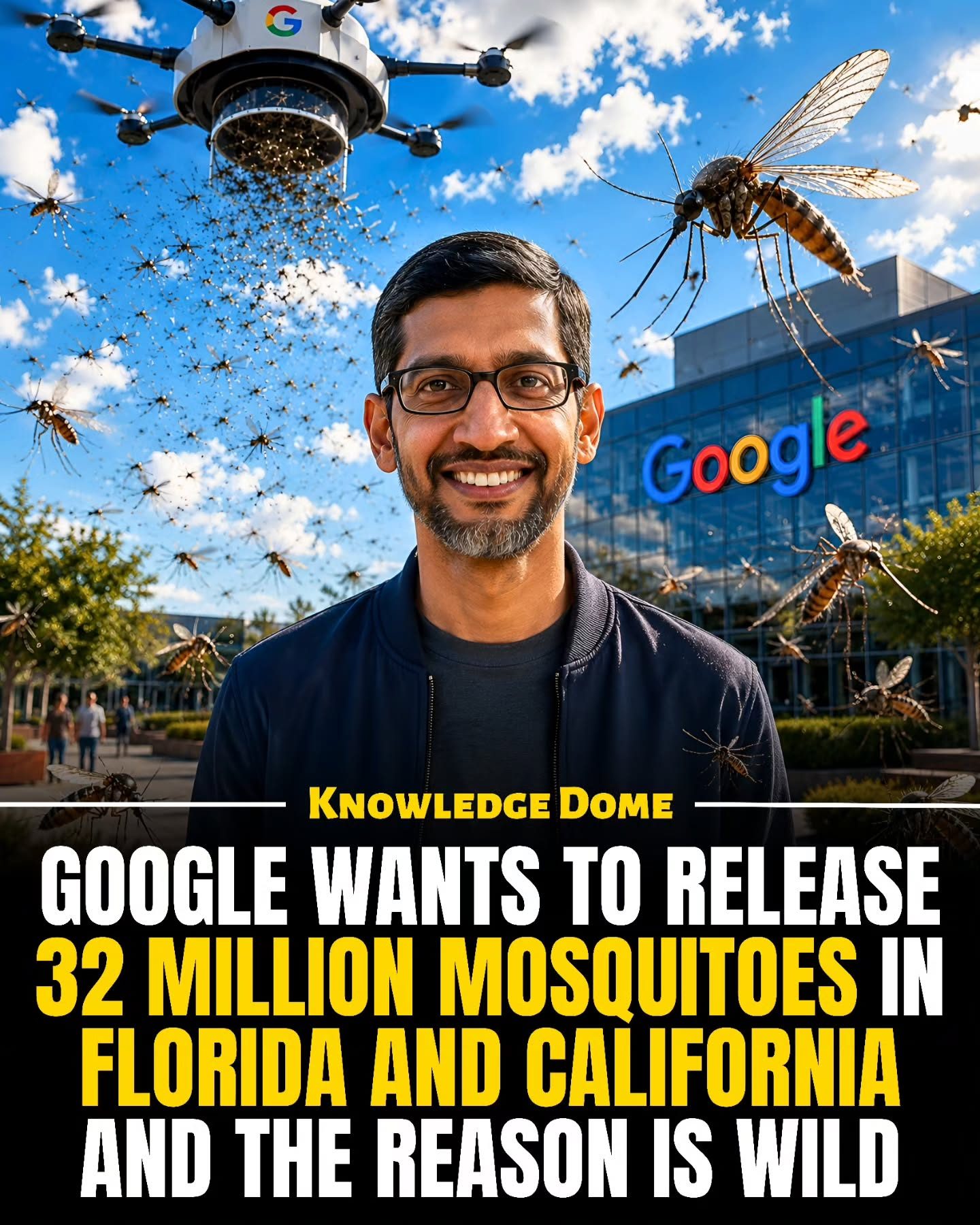
Google's Plan to Release Millions of Mosquitoes in Florida and California
Google's life sciences company, Verily, has submitted a proposal to the U.S. Environmental Protection Agency (EPA) to release up to 32 million specially treated male mosquitoes in Florida and California. This initiative, part of Verily’s Debug Project, aims to reduce the number of disease-spreading mosquitoes in these states.
Why This Matters
Mosquitoes are more than just a nuisance; they are significant vectors for various diseases. In the United States, mosquitoes can transmit illnesses like West Nile virus and St. Louis encephalitis, posing serious health risks. By targeting the mosquito population, Verily's project could help mitigate the spread of these diseases and protect public health.
The Debug Project: A Closer Look
The Science Behind the Plan
The mosquitoes in question are treated with a natural bacterium called Wolbachia. This bacterium acts as a form of birth control for mosquitoes. When the treated male mosquitoes mate with wild female mosquitoes, the eggs do not hatch. Over time, this reduction in hatching rates can lead to a significant decrease in the mosquito population.
Only female mosquitoes bite humans, so the release of male mosquitoes is designed to be harmless to people. The treated males are not equipped to bite or bother anyone, making this method both effective and non-invasive.
The Release Plan
The plan is to release the mosquitoes in two phases. The first phase involves releasing 16 million mosquitoes in Florida, followed by another 16 million in California during the second year. This staged approach allows for careful monitoring and adjustment of the strategy as needed.
Practical Tips for Understanding the Project
What to Expect
Residents in the targeted areas should not expect an increase in mosquito bites. The treated male mosquitoes are not designed to bite humans, and their primary function is to mate with wild females, thereby reducing the overall population.
Public Safety
The EPA is currently reviewing the proposal, ensuring that all safety measures and environmental considerations are met. This review process is crucial for public safety and environmental protection. Once approved, the project will proceed with the release of the treated mosquitoes.
Important Takeaways
- Natural Bacteria: Wolbachia is a natural bacterium used to control the mosquito population by preventing egg hatching.
- Targeted Release: The release is planned in two phases, with 16 million mosquitoes in Florida and 16 million in California.
- Public Safety: Only male mosquitoes are released, and they do not bite humans, ensuring the safety of the public.
Conclusion
Google's Verily life sciences company is taking a significant step toward reducing the spread of mosquito-borne diseases in Florida and California. By leveraging natural bacteria and a strategic release plan, the Debug Project aims to decrease the mosquito population effectively. As the EPA continues to review the proposal, the project stands as a testament to innovative solutions in public health and environmental management.
Watch the Reel
Questions readers ask
What is the purpose of Google's mosquito release project in Florida and California?
Google's mosquito release project, led by its life sciences division Verily, aims to reduce the population of disease-spreading mosquitoes in Florida and California. By releasing male mosquitoes carrying the Wolbachia bacterium, the project seeks to prevent the hatching of offspring, thereby decreasing the overall mosquito population and mitigating the spread of diseases like West Nile virus and St. Louis encephalitis.
How do the Wolbachia-treated mosquitoes work?
The male mosquitoes released by Verily carry a natural bacterium called Wolbachia. When these mosquitoes mate with wild female mosquitoes, the resulting eggs do not hatch, leading to a gradual reduction in the mosquito population over time.
Why were Florida and California chosen for this project?
Florida and California were selected due to their significant mosquito populations and the presence of mosquito-borne diseases. These states have reported cases of illnesses like West Nile virus and St. Louis encephalitis, making them prime locations for a project aimed at reducing mosquito populations and protecting public health.
How many mosquitoes will be released as part of this initiative?
Verily has proposed releasing up to 32 million treated male mosquitoes in Florida and California. These mosquitoes are part of the Debug Project, designed to target and reduce the local mosquito populations.
What is the expected outcome of this project?
The expected outcome of this project is a significant reduction in the mosquito population in the targeted areas. By preventing the hatching of offspring, the project aims to decrease the number of disease-spreading mosquitoes, ultimately reducing the risk of mosquito-borne illnesses and enhancing public health.
Are there any potential risks associated with this project?
While the project is designed to be safe, there are potential risks such as unintended impacts on the local ecosystem. Verily has submitted a proposal to the EPA for approval, which includes a thorough evaluation of these potential risks to ensure the safety and effectiveness of the project.
How can you prevent mosquito bites while the project is being implemented?
While the project aims to reduce the mosquito population, it's still important to take personal precautions to prevent mosquito bites. Use insect repellent, wear long sleeves and pants, and eliminate standing water around your property to minimize mosquito breeding grounds. Additionally, install or repair screens on windows and doors to keep mosquitoes out of your home.
Related deep dives
Similar reads based on topic and creator.




Recent articles
Fresh deep dives from the latest Reels we unpacked.




Comments
Be the first to comment.