Caesium-137: The Deadly Legacy of Goiânia
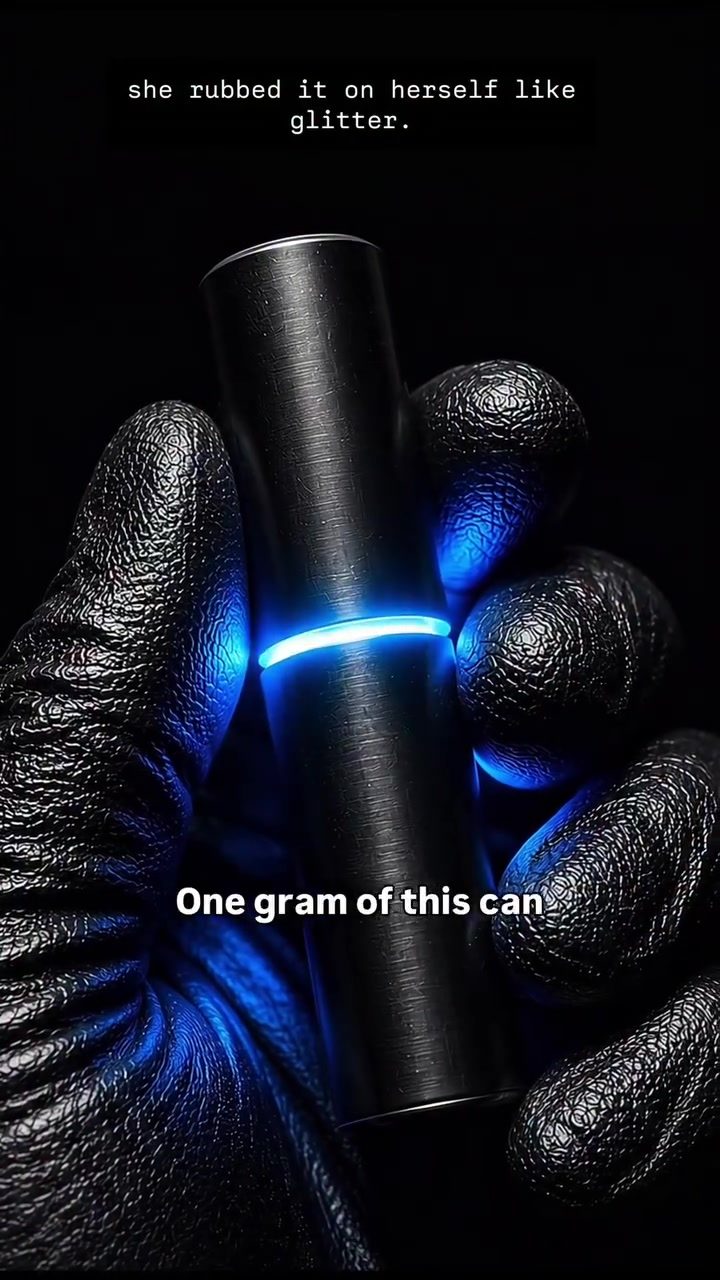
The story of Goiânia, Brazil, in 1987, is a chilling reminder of the potential dangers of radioactive materials. Caesium-137, a highly radioactive isotope, wreaked havoc on the city, leaving a trail of contamination and tragedy. This powerful and invisible substance, which glows blue in the dark, highlights the critical importance of proper nuclear safety measures and public awareness.
The 1987 Goiânia Incident: A System Failure
The Goiânia accident began when two men broke into an abandoned hospital in search of scrap metal. Among the hospital’s discarded equipment, they found a heavy metal cylinder containing a powder that glowed like stars. Unaware of the danger, they took the cylinder home and showed it to friends and family. A tragic sequence of events unfolded when a six-year-old girl treated the glowing powder like glitter, rubbing it on her skin.
The powder was Caesium-137, a byproduct of nuclear reactions used in cancer treatment machines. Left behind in an abandoned radiotherapy device, the substance was highly radioactive, emitting gamma radiation that is invisible and odorless. The canister had a warning symbol, but the men couldn’t read it, leading to widespread contamination and a series of devastating health effects.
Understanding Caesium-137
Caesium-137 is a radioactive isotope with a half-life of about 30 years, meaning it takes that long for half of the substance to decay and lose its radioactivity. It emits gamma radiation, a type of high-energy electromagnetic radiation that can penetrate human tissue, causing significant damage to internal organs and cells. Exposure to this radiation can lead to symptoms such as vomiting, skin burns, and, in severe cases, death.
The vivid blue glow of Caesium-137 is a result of Cherenkov radiation, a phenomenon where charged particles move faster than the speed of light in a medium, emitting light in the process. This eerie glow is not only a warning sign but also a mesmerizing aspect of this dangerous substance.
The Aftermath: Contamination and Cleanup
The Goiânia incident resulted in catastrophic consequences. The six-year-old girl who first handled the powder died 28 days later, and 249 other people were contaminated with varying degrees of radiation exposure. The contamination was so severe that entire houses had to be demolished and buried as nuclear waste. The regulatory agency responsible for monitoring the hospital's equipment had never noticed the machine was missing, highlighting a severe failure in the system.
The accident underscores the importance of proper disposal, monitoring, and regulatory oversight of radioactive materials. The failure to track and secure the cancer treatment machine led to a preventable disaster, underscoring the need for stringent safety protocols and public education about the dangers of radioactive substances.
The Importance of Nuclear Safety
The Goiânia incident serves as a stark reminder of the potential risks associated with radioactive materials. Proper handling, storage, and disposal of such substances are crucial to preventing similar accidents. This includes ensuring that all radioactive materials are accounted for, securely stored, and monitored. Additionally, public education about the dangers of radioactive materials can help prevent accidental exposure.
Practical Tips for Handling Radioactive Materials
For those who work with or near radioactive materials, certain safety measures are essential:
-
Training and Certification: Ensure that all personnel handling radioactive materials are properly trained and certified. This includes understanding the risks, proper handling procedures, and emergency protocols.
-
Personal Protective Equipment (PPE): Use appropriate PPE, including gloves, gowns, and masks, to minimize exposure. In some cases, lead shielding or other protective barriers may be necessary.
-
Monitoring and Testing: Regularly monitor and test for radiation levels to detect any leaks or contamination promptly. Radiation detectors and dosimeters can help track exposure levels.
-
Secure Storage: Store radioactive materials in secure, designated areas with appropriate shielding to prevent unauthorized access and accidental exposure.
Important Takeaways
The Goiânia tragedy offers several critical takeaways:
-
Regulatory Oversight: Regulatory agencies must ensure that all radioactive materials are accounted for, even in abandoned or unused facilities.
-
Public Awareness: Educating the public about the dangers of radioactive materials can prevent accidental exposure and contamination.
-
Safety Protocols: Stringent safety protocols and emergency response plans are essential for handling and managing radioactive materials.
Conclusion
The Goiânia incident is a grim reminder of the potential dangers of radioactive materials and the critical importance of proper handling, storage, and regulatory oversight. Caesium-137, with its invisible and odorless radiation, highlights the need for vigilance and preparedness in dealing with such substances. By learning from the past, we can implement better safety measures and prevent future accidents, ensuring the safety of both workers and the public.
Watch the Reel
Questions readers ask
What is Caesium-137 and why is it dangerous?
Caesium-137 is a radioactive isotope that emits gamma radiation, making it highly dangerous. Its radioactive properties can cause severe health issues, including radiation poisoning, cancer, and even death. It was the primary source of contamination during the 1987 Goiânia accident.
What happened during the 1987 Goiânia incident?
In 1987, two men in Goiânia, Brazil, discovered a discarded Caesium-137 capsule in an abandoned hospital while scavenging for scrap metal. Unaware of its danger, they took it home and handled it, exposing themselves and others to deadly radiation. This incident led to significant contamination and tragic health consequences.
How did Caesium-137 affect the residents of Goiânia?
The residents of Goiânia were exposed to Caesium-137 through direct handling and inhalation. This caused severe radiation sickness, with symptoms such as vomiting, hair loss, and skin burns. In total, four people died from acute radiation exposure and many others were affected by the dangerous radioactive waste.
What measures can be taken to prevent similar accidents in the future?
To prevent similar accidents, it is crucial to implement strict nuclear safety measures. This includes proper disposal and secure storage of radioactive materials, along with public awareness campaigns to inform people about the dangers of handling unknown substances. Strict regulations and continuous monitoring can also help mitigate risks.
What steps were taken after the Goiânia accident to clean up the contaminated area?
After the Goiânia accident, authorities conducted a massive cleanup operation. This involved decontaminating buildings, removing contaminated soil, and disposing of radioactive waste safely. The cleanup efforts were extensive and aimed to minimize long-term health risks to the public.
Why did the Goiânia incident highlight the importance of public awareness about nuclear safety?
The Goiânia incident highlighted the importance of public awareness because the tragedy occurred due to a lack of knowledge about the dangers of radioactive materials. By increasing public awareness, communities can recognize and avoid potential hazards, ensuring they do not handle or come into contact with dangerous substances.
How does Caesium-137 glow in the dark and why was this misleading to the people in Goiânia?
Caesium-137 glows blue in the dark due to its radioactive properties. This glowing effect was misleading to the residents of Goiânia, who found it fascinating and did not realize the significant health risks. This curiosity led to extensive handling and exposure, exacerbating the contamination and tragedy.
Related deep dives
Similar reads based on topic and creator.




Recent articles
Fresh deep dives from the latest Reels we unpacked.




Comments
Be the first to comment.