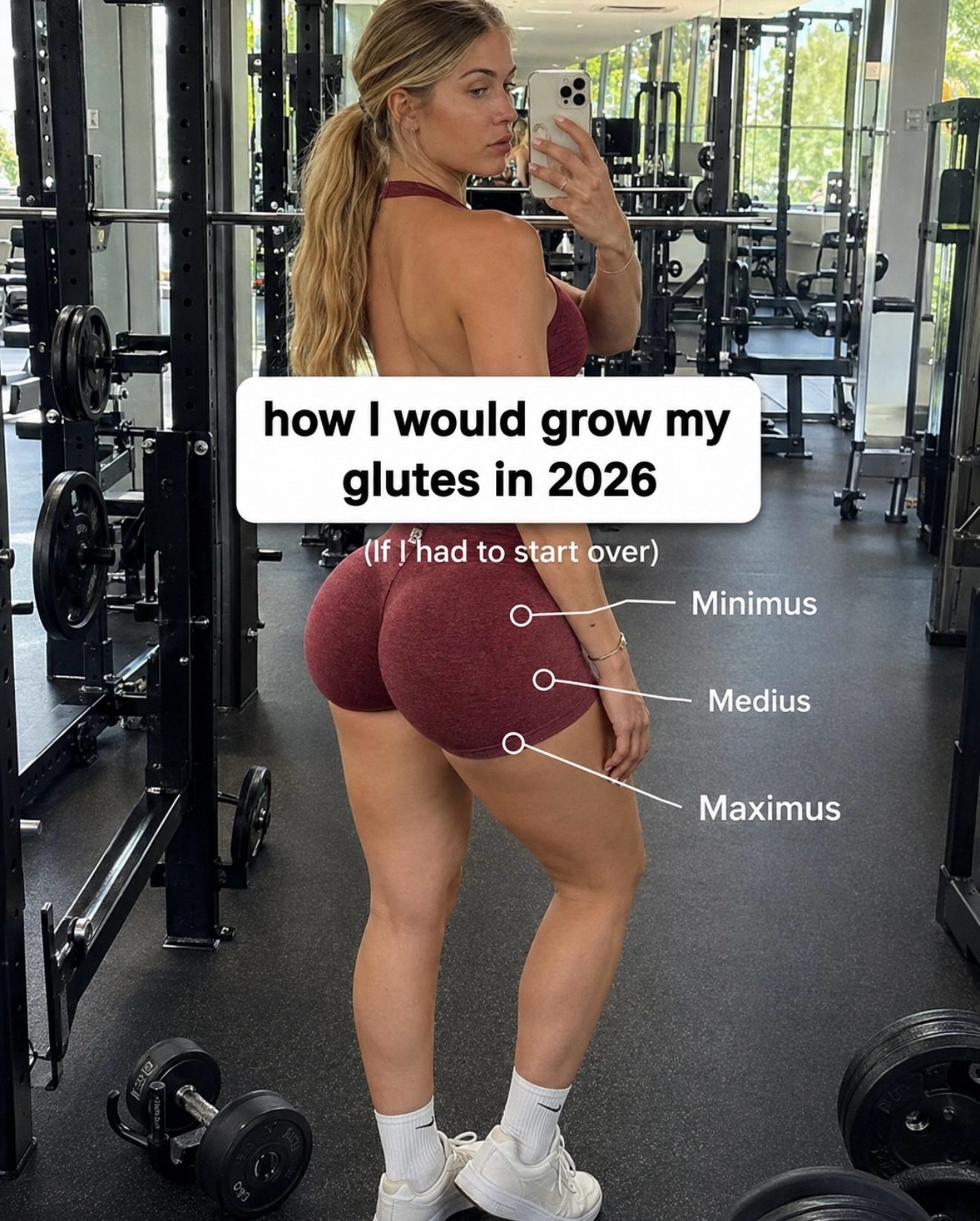
Glute Training: Targeting the Entire Gluteal Region for Optimal Results
Glute training is more than just doing a few hip thrusts. It’s about understanding the specific functions of each gluteal muscle and tailoring workouts to target all three—gluteus maximus, gluteus medius, and gluteus minimus. Here, we discuss the key elements of effective glute training, exercises that target each muscle, and how a fitness app can enhance your progress.
Why This Matters
A comprehensive glute training program is crucial for achieving a well-rounded, balanced physique and improving overall athletic performance. Focusing on all three gluteal muscles ensures better stability, improved hip function, and a more aesthetically pleasing shape. This approach also helps in preventing injuries by strengthening the core and stabilizing muscles, which are essential for lower body movements.
Components of Effective Glute Training
Understanding the Gluteal Muscles
The gluteal muscles are composed of three main parts: the gluteus maximus, gluteus medius, and gluteus minimus. Each plays a unique role in movement and stability:
-
Gluteus Maximus: The largest and most superficial of the three gluteal muscles, it is responsible for hip extension and external rotation. This muscle contributes to the size and projection of the glutes.
-
Gluteus Medius: Located on the outer surface of the pelvis, this muscle functions in hip abduction and pelvic stability. It is crucial for creating a side curve and upper glute look.
-
Gluteus Minimus: This deep muscle supports the hip joint and contributes to stability and balance. It works in conjunction with the gluteus medius to stabilize the pelvis during movement.
Best Exercises for Each Muscle
Gluteus Maximus
To effectively target the gluteus maximus, focus on heavy compound movements. These exercises help in building the muscle mass and strength necessary for size and projection:
-
Heavy Compounds: Include exercises like squats, deadlifts, and lunges in your routine. These compound movements engage multiple muscle groups and promote overall strength and muscle growth.
-
Hip Thrusts: This exercise specifically targets the gluteus maximus and is excellent for building hip strength and power.
Gluteus Medius
For the gluteus medius, high-rep abduction movements are key. These exercises help in shaping the sides of the glutes and improving hip stability:
-
Hip Abduction Machine: This isolation exercise targets the gluteus medius and is great for building muscle mass in this area.
-
Cable Kickbacks (angled out): This exercise helps in targeting the outer glute muscles and adds definition to the sides of the hips.
-
Lateral Band Walks: Using a resistance band, this exercise works the gluteus medius and helps in stabilizing the hips during movement.
-
Curtsy Lunges: This variation of the lunge targets the gluteus medius and adds a unique challenge to your leg and glute workouts.
-
Side-Lying Leg Raises: This exercise focuses on the gluteus medius and improves hip stability and side glute definition.
Gluteus Minimus
For the gluteus minimus, unilateral and controlled movements are essential. These exercises help in improving stability and overall support:
-
Single-Leg RDL (Romanian Deadlift): This exercise helps in stabilizing the pelvis and improving balance and control.
-
Bulgarian Split Squats: This unilateral exercise targets the gluteus minimus and improves hip stability and strength.
-
Banded Glute Activation: Using a resistance band, this exercise activates the gluteal muscles and prepares them for heavier work.
-
Step-Ups: This exercise targets the gluteus minimus and helps in building strength and stability in the hips.
-
Controlled Hip Abduction Movements: This movement helps in stabilizing the pelvis and improving overall gluteal function.
Tips for Effective Glute Training
-
Progressive Overload: Focus on gradually increasing the weight or resistance in your exercises to promote muscle growth and strength.
-
Consistency: Stick to a consistent workout routine and avoid changing exercises frequently. Mastering the basics is key to seeing progress.
-
Recovery: Ensure adequate rest and recovery between workouts. Recovery is just as important as the workout itself.
-
Nutrition: Proper nutrition, including enough protein and calories, is essential for muscle growth and recovery.
-
Patience: Muscle growth takes time, so be patient and stay consistent with your workouts.
How Workit App Enhances Your Workout
Workit is a fitness app designed to keep your workouts structured, track your progress, and offer personalized plans. Here’s how it can help:
-
Structured Workouts: Workit provides a structured approach to your workouts, ensuring that you target all gluteal muscles effectively.
-
Progress Tracking: The app tracks your progress, allowing you to see improvements over time and make necessary adjustments.
-
Personalized Plans: Workit offers personalized workout plans tailored to your goals and fitness level.
-
Fitness Challenges: Join fitness challenges to stay motivated and earn rewards, including Bitcoin, for maintaining consistency in your workouts and healthy habits.
Practical Tips
How to Incorporate Glute Training into Your Routine
-
Warm-Up: Always start with a proper warm-up to prepare your muscles for the workout. Unilateral work, such as banded glute activation and controlled hip abduction movements, is great for warming up.
-
Exercise Selection: Choose 1-2 exercises from each category (maximus, medius, minimus) and focus on improving your form and strength over time.
-
Workout Frequency: Aim for 2-3 glute-focused workouts per week, allowing for adequate recovery between sessions.
Sample Glute Workout Routine
Here’s a sample workout routine that targets all three gluteal muscles:
- Warm-up: 5 minutes of dynamic stretching and banded glute activation.
- Gluteus Maximus: 3 sets of 8-12 reps of squats and 3 sets of 10-15 reps of hip thrusts.
- Gluteus Medius: 3 sets of 12-15 reps of cable kickbacks and 3 sets of 15-20 reps of lateral band walks.
- Gluteus Minimus: 3 sets of 10-12 reps of Bulgarian split squats and 3 sets of 12-15 reps of single-leg RDLs.
- Cool-down: 5 minutes of static stretching, focusing on the glutes and hips.
Important Takeaways
-
Focus on All Three Gluteal Muscles: Effective glute training involves targeting the gluteus maximus, gluteus medius, and gluteus minimus to achieve a balanced and aesthetically pleasing shape.
-
Choose the Right Exercises: Select exercises that target each muscle group effectively. Heavy compounds for the maximus, unilateral work for the minimus, and high-rep abduction movements for the medius.
-
Consistency and Progressive Overload: Stick to a consistent workout routine and focus on progressive overload to see real results.
-
Utilize Fitness Apps: Apps like Workit can enhance your workout experience by providing structured plans, tracking progress, and offering rewards for staying consistent.
Conclusion
Growing your glutes from scratch in 2026 or any year requires a strategic approach. By understanding the functions of each gluteal muscle and tailoring your workouts accordingly, you can achieve a well-rounded, balanced, and aesthetically pleasing physique. Incorporate a variety of exercises, focus on progressive overload, and utilize fitness apps like Workit to enhance your progress and stay motivated.
Watch the Reel
Questions readers ask
What are the main functions of the gluteus maximus, medius, and minimus muscles?
The gluteus maximus is primarily responsible for hip extension and external rotation. The gluteus medius and minimus, on the other hand, work together to stabilize the pelvis and assist in hip abduction and internal rotation. Understanding these functions is key to effective glute training.
What exercises target the gluteus maximus effectively?
To target the gluteus maximus, incorporate exercises like hip thrusts, squats, and deadlifts into your routine. These movements involve hip extension, which is the primary function of the gluteus maximus. Adding variations and progressive overload can enhance muscle development.
How can I target the gluteus medius and minimus muscles?
The gluteus medius and minimus are best targeted with side-lying leg lifts, clamshells, and band walks. These exercises focus on hip abduction and pelvic stabilization, which are crucial for these muscles. Adding resistance with bands or weights can increase the intensity and effectiveness of these exercises.
Why is it important to include a variety of glute exercises in my routine?
Including a variety of glute exercises ensures that you are targeting all three gluteal muscles effectively. This balanced approach promotes better stability, improves hip function, and helps prevent injuries. Plus, it keeps your workouts engaging and challenging.
How can a fitness app help improve my glute training routine?
A fitness app can provide structured workout plans, proper exercise demonstrations, and progress tracking features, which are essential for tailored glute training. It can also offer variations of exercises, ensuring you are targeting all three glute muscles effectively and progressively.
What are some common mistakes to avoid in glute training?
Common mistakes include neglecting to engage the glutes during exercises, relying too heavily on momentum, and focusing only on the gluteus maximus. To avoid these, ensure proper form, focus on the mind-muscle connection, and incorporate exercises that target all three glute muscles.
How often should I train my glutes for optimal results?
For optimal results, aim to train your glutes at least two to three times per week, with at least one rest day between sessions. This frequency allows for adequate muscle recovery and growth. Remember to listen to your body and adjust as needed to avoid overtraining.
Related deep dives
Similar reads based on topic and creator.




Recent articles
Fresh deep dives from the latest Reels we unpacked.




Comments
Be the first to comment.