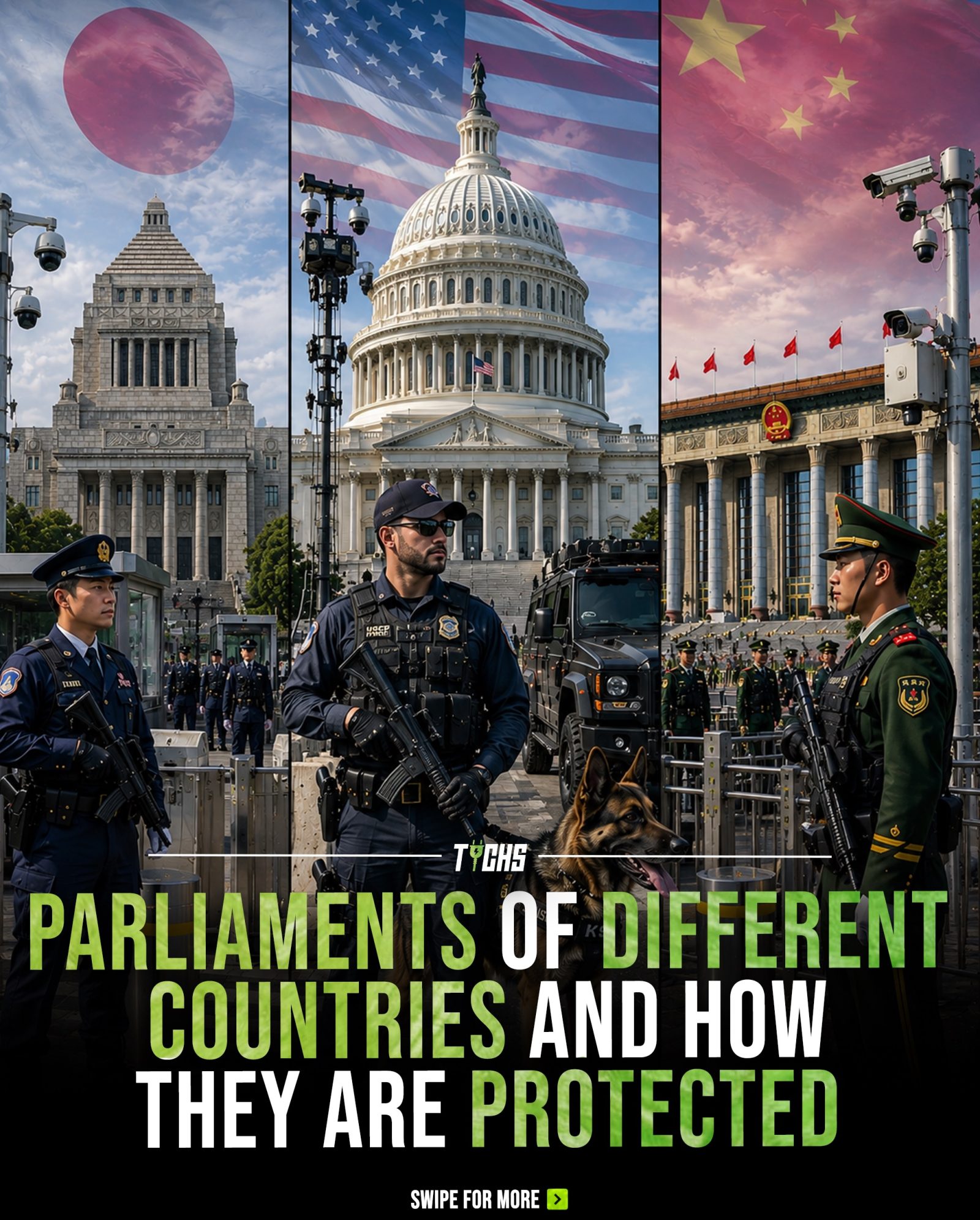
Parliament Security Around the World
Parliamentary security is a critical and multifaceted endeavor that ensures the safety of lawmakers, staff, and visitors. Each country employs a unique combination of dedicated police forces, intelligence units, advanced surveillance technology, and controlled access to safeguard their national decision-making processes. Let's explore how different nations approach this vital task.
Why This Matters
Parliaments are the heart of democratic governance, and their security is paramount. Protecting these institutions involves more than just physical barriers; it requires a comprehensive strategy that integrates various security measures to counter a wide range of threats. Understanding these systems provides insight into how nations prioritize the safety of their political processes and the people involved.
Main Discussion
United States: USCP and K-9 Teams
In the United States, the United States Capitol Police (USCP) plays a crucial role in parliamentary security. The USCP is supported by K-9 teams and intelligence units, providing a robust defense against potential threats. Their comprehensive approach includes surveillance, controlled access, and rapid response capabilities, ensuring that the U.S. Capitol remains secure.
United Kingdom: SO6 Parliamentary and Diplomatic Protection Command
The United Kingdom relies on the SO6 Parliamentary and Diplomatic Protection Command for the security of its parliamentary institutions. This specialized unit works in conjunction with other law enforcement agencies to provide a multi-layered security framework. Their strategies include advanced surveillance, identity checks, and high-level intelligence support, ensuring that the UK Parliament operates in a secure environment.
Germany: Bundestag Police
Germany utilizes the Bundestag Police, a dedicated parliamentary police force, to secure the Bundestag, their federal parliament. The Bundestag Police is responsible for maintaining the security of the parliament building and its surroundings, employing a combination of surveillance, controlled access, and specialized response teams. Their presence ensures that the Bundestag operates without disruption, even in the face of potential threats.
Netherlands: Royal Diplomatic Protection Service and Dutch National Police
In the Netherlands, parliamentary security is a joint effort between the Royal Diplomatic Protection Service (DKDB) and the Dutch National Police. This collaborative approach ensures that the Dutch Parliament is protected by a comprehensive security system that includes surveillance, identity checks, and controlled access. The coordination between these two agencies allows for a seamless and effective security strategy.
Additional Countries
- Japan, France, Russia, China, Brazil, Turkey, Thailand, Ukraine, Switzerland, and Chile each employ specialized agencies, parliamentary police, or national security forces to protect their parliaments. These countries use a combination of identity checks, surveillance networks, security screening, and restricted perimeters to safeguard their political institutions.
Modern Security Approaches
Modern parliamentary security systems now rely on a combination of trained personnel, advanced technology, and layered defense strategies. This integrative approach ensures that parliaments are protected against a wide range of threats, including unauthorized access and emergencies. The use of surveillance technology, intelligence units, and specialized police forces allows for a dynamic and effective security framework that adapts to evolving threats.
Practical Tips
When considering parliamentary security, it's essential to adopt a multi-layered approach that incorporates various strategies. Here are some practical tips for enhancing parliamentary security:
-
Invest in Advanced Surveillance Technology: Utilize state-of-the-art surveillance systems to monitor the perimeter and internal areas of the parliament building. This includes CCTV cameras, motion sensors, and other advanced monitoring tools.
-
Enhance Training for Security Personnel: Ensure that security personnel are well-trained in handling a variety of threats. Regular training sessions and drills can prepare them for potential emergencies and improve their response times.
-
Implement Identity Checks and Controlled Access: Implement strict identity checks and controlled access points to prevent unauthorized individuals from entering the parliament building. This can include biometric scanners, ID checks, and security checkpoints.
-
Develop Comprehensive Intelligence Networks: Establish intelligence units that work in conjunction with other law enforcement agencies to gather and analyze information on potential threats. This proactive approach can help identify and mitigate risks before they escalate.
-
Leverage Collaboration and Coordination: Foster collaboration between different security agencies and law enforcement departments. This coordination ensures a seamless and effective security strategy that can adapt to changing circumstances.
Important Takeaways
-
Protection of Lawmakers and Staff: Parliamentary security ensures the safety of lawmakers and staff, allowing them to carry out their duties without fear of threats or disruptions.
-
Advanced Technology and Personnel: Modern security systems rely on a blend of advanced technology and highly trained personnel to provide effective protection.
-
Multi-layered Defense Strategies: A multi-layered defense strategy, including surveillance, controlled access, and intelligence support, ensures that parliaments are secure against a wide range of threats.
-
Global Best Practices: Countries employ unique security protocols tailored to their specific needs while adopting best practices from successful security models.
Conclusion
Parliamentary security is a complex and vital endeavor that requires a comprehensive approach to safeguard the political institutions of a nation. By leveraging advanced technology, specialized personnel, and multi-layered defense strategies, countries worldwide ensure that their parliaments operate in a secure environment. The combination of dedicated police forces, intelligence units, and controlled access measures provides a robust framework for protecting lawmakers, staff, and visitors, ensuring the continuity of democratic governance.
Watch the Reel
Questions readers ask
What are specialized police forces, and how do they contribute to global parliament security?
Specialized police forces are units specifically trained to protect parliamentary buildings, lawmakers, and visitors. They contribute to global parliament security by providing trained personnel to handle threats, manage crowds, and respond to emergencies swiftly. These forces often collaborate with intelligence units to stay ahead of potential dangers. Some examples of these units include the United Kingdom's Parliamentary and Diplomatic Protection (PPD), the Canadian Parliamentary Protective Service, and the United States Capitol Police.
How does surveillance technology enhance parliamentary protection?
Advanced surveillance technology is crucial in monitoring parliamentary premises, detecting unusual activities, and identifying potential threats. This includes CCTV systems, biometric scanners, and other monitoring tools. By integrating these technologies, nations can maintain a high level of security, ensuring the safety of lawmakers, staff, and visitors. For instance, some parliaments use facial recognition systems to control access, while others employ drones for aerial surveillance.
What role do intelligence units play in safeguarding national decision-making processes?
Intelligence units gather and analyze information to anticipate and mitigate threats to parliamentary operations. They work closely with other security measures to provide real-time intelligence, enabling preemptive actions against potential risks. By staying vigilant and proactive, these units help ensure that democratic processes remain secure and uninterrupted.
How do different countries vary in their approach to parliamentary security?
Countries adopt varied strategies for parliamentary security based on their unique risks and resources. Some nations rely on highly visible police presence, while others prioritize advanced technological solutions. For example, countries with a history of political unrest might deploy additional security personnel and implement stricter access controls. Conversely, nations with lower threat levels might focus more on intelligence gathering and surveillance.
What measures are in place to protect lawmakers during parliamentary sessions?
During sessions, lawmakers are protected through a combination of security protocols, including secure entry points, controlled access to parliamentary chambers, and the presence of security personnel. Additionally, emergency response plans are in place to address potential threats swiftly. For instance, some parliaments have designated safe rooms where lawmakers can be evacuated in case of an emergency.
How does the United Nations contribute to global parliamentary security?
The United Nations plays a role in promoting global parliamentary security by facilitating international cooperation and sharing best practices. It also offers guidelines and resources to help nations improve their security measures. For example, the United Nations has developed protocols for protecting parliamentary buildings and ensuring the safety of lawmakers during international gatherings, such as the Inter-Parliamentary Union conferences.
What are some of the key differences in parliamentary security measures between developed and developing countries?
Developed countries often have more advanced and extensively implemented security systems and protocols due to greater resources. They typically employ a variety of technologies, including biometric scanners and high-resolution CCTV systems. In contrast, developing countries may prioritize physical security measures, such as increased police presence and basic surveillance equipment, and are more likely to rely on partnerships with international organizations for support and resources.
Recent articles
Fresh deep dives from the latest Reels we unpacked.




Comments
Be the first to comment.