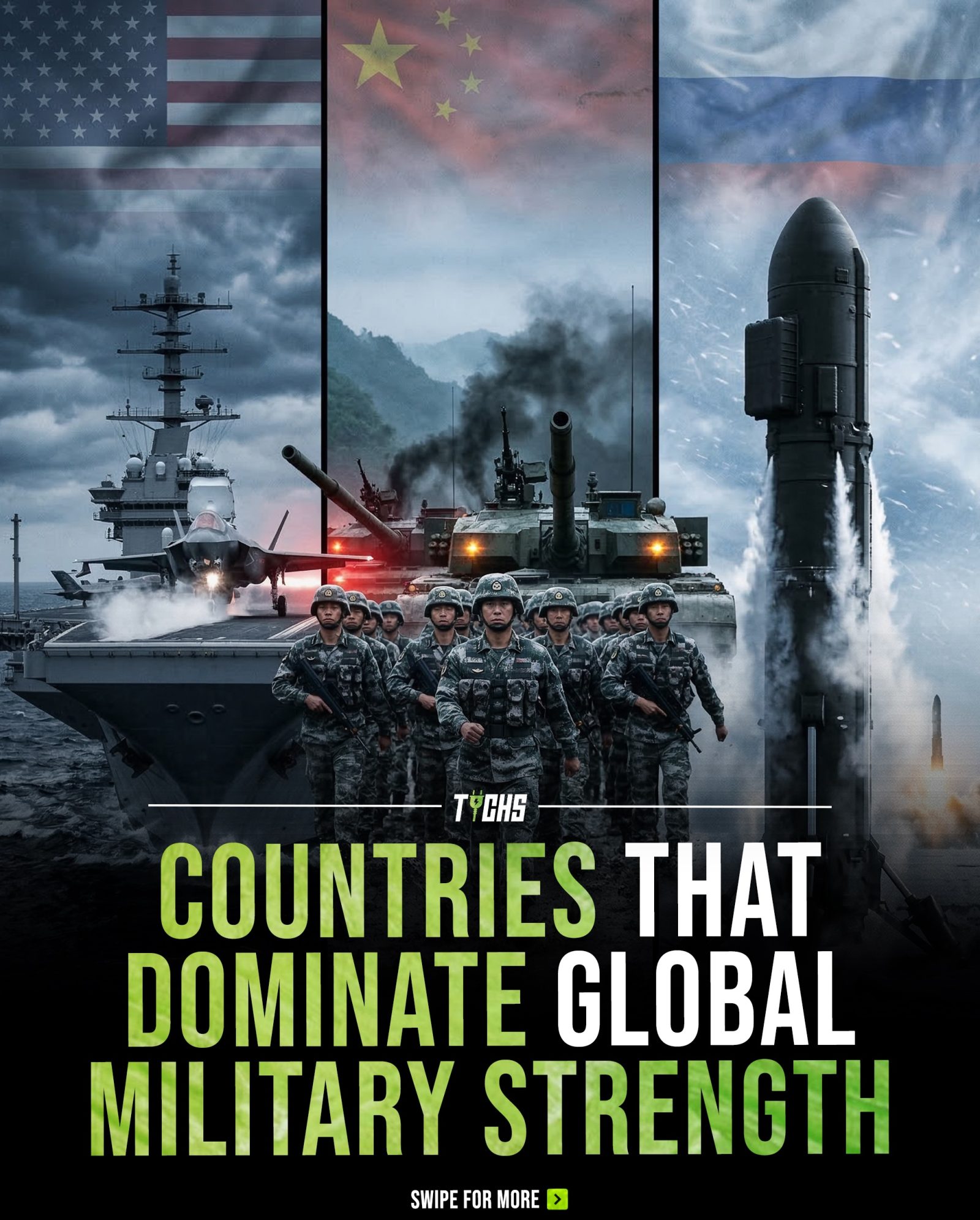
Military Strength Comparison: A Global Defense Overview
Understanding the power dynamics of today’s world requires a nuanced look at military capabilities. Military strength is a multifaceted concept, encompassing personnel, equipment, technology, and spending. Different countries lead in various categories, showcasing the diverse ways nations build and project their military power.
Why This Matters
In a world where global security is a top priority, understanding military strength is crucial. It provides insight into the strategic capabilities of nations, their preparedness for conflict, and their influence on the global stage. Whether it's through the sheer number of military assets, advanced technology, or sheer spending power, military strength is a critical factor in geopolitics.
Key Categories of Military Power
Different metrics are used to measure military power, reflecting the various aspects of defense that shape a nation’s influence. These include personnel numbers, equipment, technology, and spending. Below, we explore the strengths of major global military powers in these key areas.
Personnel and Equipment
Russia is renowned for its large arsenal of military equipment. It possesses one of the biggest tank fleets globally, with approximately 12,000 tanks. This extensive ground force underscores Russia’s capability in land warfare. Alongside its tank fleet, Russia also boasts the largest nuclear arsenal, a significant factor in deterrence and strategic might.
China leads the world in terms of naval power. With approximately 370 ships in its navy, China dominates the seas, showcasing its maritime capabilities and strategic reach. This vast navy is a reflection of China’s commitment to expanding its influence on the global map. China also has the world’s largest active military, which underscores its substantial human resources in defense.
Technology and Spending
The United States stands out as the global leader in several technological and financial aspects of military power. It leads in fighter jets, total military aircraft, and defense spending. The U.S. also has the highest number of aircraft carriers and nuclear submarines, which are critical for maintaining global maritime dominance. Additionally, the U.S. excels in military drone technology, which enhances its intelligence, surveillance, and reconnaissance capabilities.
Other Key Metrics
While personnel, equipment, technology, and spending are crucial factors, they do not tell the whole story of military strength. Other elements like readiness, training, logistics, and strategy are essential. For example, readiness ensures that military forces can be deployed quickly and effectively in times of crisis. Training enhances the skill and efficiency of military personnel, while logistics ensures the smooth operation of military operations. Strategy provides the framework for how military power is used and leveraged in various scenarios.
Practical Tips for Understanding Military Strength
When analyzing military strength, it is important to look at a combination of factors rather than just one metric. Here are some practical tips to help you understand the complexities of military power:
- Compare Multiple Metrics: Look at a mix of personnel numbers, equipment, technology, and spending to get a comprehensive view.
- Consider Strategic Factors: Understand the role of readiness, training, logistics, and strategy in military operations.
- Analyze Key Assets: Pay attention to critical military assets like tanks, ships, aircraft, and drones, as they reflect a nation's operational capabilities.
Important Takeaways
The comparative strengths of different countries in military power highlight the diverse ways nations build and project their capabilities. While Russia excels in nuclear arsenal and tank fleets, the U.S. leads in technology and spending. China, on the other hand, dominates in naval power and personnel numbers. Understanding these differences and the broader context of military strength requires a multi-faceted approach.
While metrics like personnel and equipment provide a snapshot of military power, readiness, training, logistics, and strategy are equally important. These factors determine how military forces can be utilized effectively in real-world scenarios.
Conclusion
Understanding military strength is essential for anyone interested in global defense and geopolitics. The diverse ways nations build and project their military capabilities provide a complex yet fascinating picture of the world's power dynamics. By examining various metrics and factors, we gain a deeper understanding of how different countries contribute to global security and defense.
Watch the Reel
Questions readers ask
Which countries are typically considered the leading military nations?
The United States, Russia, and China often top the list due to their substantial military spending, advanced technology, and extensive equipment. Other notable countries include France, the United Kingdom, and India, each with unique strengths in personnel, equipment, and strategic capabilities.
How does the U.S. stand out in terms of military technology?
The U.S. is renowned for its technological advancements in military equipment and defense systems. Key areas include unmanned aerial vehicles (drones), cyber warfare capabilities, and advanced naval technology. This technological edge is often cited as a significant factor in the U.S's global military influence.
What are some key aspects of Russia's military capability?
Russia's military strength is highlighted by its robust nuclear capabilities, a vast inventory of tanks and aircraft, and a strong ground force. Additionally, Russia's military doctrine emphasizes unconventional warfare and the use of hybrid tactics, making it a formidable player in global military dynamics.
How does China's military strength compare to other leading nations?
China's military strength is rapidly growing, with significant investments in modernizing its navy, air force, and missile capabilities. Key areas of focus include the development of aircraft carriers, stealth fighter jets, and advanced missile systems, aiming to project power beyond its immediate region.
What are the primary ways to measure military strength?
Measuring military strength involves assessing various factors, including the number of active personnel, the quantity and quality of military equipment, technological advancements, and military spending. Analysts also consider a nation's logistics, infrastructure, and strategic doctrines, providing a comprehensive view of a country's military capabilities.
Which countries have the largest military ships, and why does this matter?
The United States and China are among the countries with the largest military ships, including aircraft carriers and nuclear-powered submarines. The size and capabilities of these ships are crucial for projecting power, conducting maritime operations, and maintaining control over strategic waterways, such as the South China Sea and the Pacific Ocean.
How does comparing military spending reveal insights into global power dynamics?
Comparing military spending provides insights into a nation's commitment to defense, its economic strength, and its strategic priorities. High military spending often correlates with advanced technology, robust equipment, and extensive training programs, which contribute to a country's overall military power and global influence.
Recent articles
Fresh deep dives from the latest Reels we unpacked.




Comments
Be the first to comment.