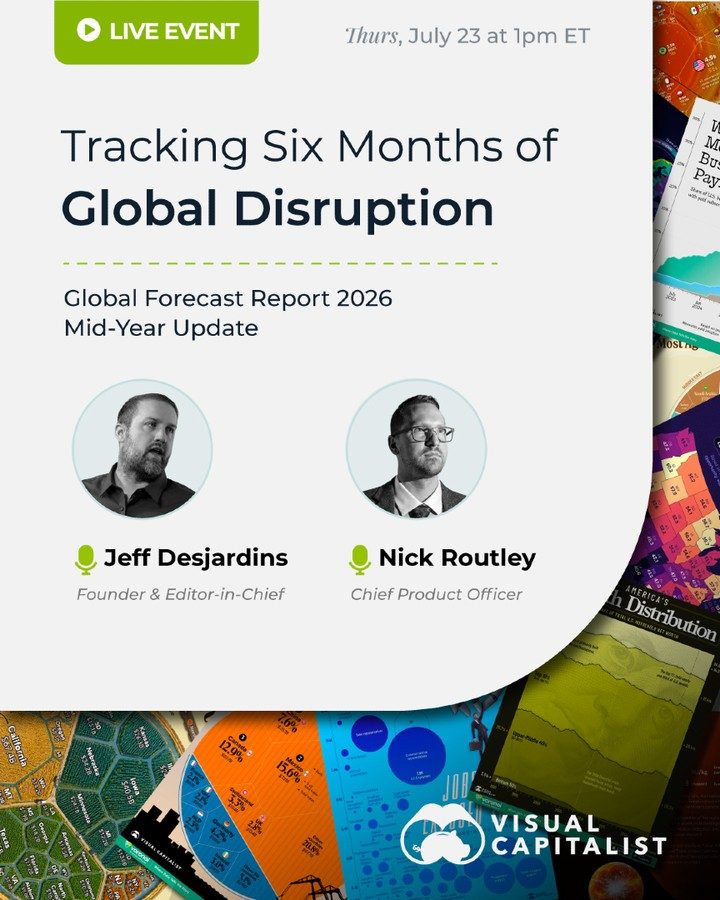
The global economy has undergone significant changes in the first half of 2026, setting the stage for a dynamic and unpredictable second half. To navigate this shifting landscape, understanding the key disruptions and predictions is crucial for businesses and investors alike.
Context/Why This Matters
As the world continues to evolve, staying informed about global economic trends is essential. The first half of 2026 has seen major shifts, including technological advancements, geopolitical tensions, and economic fluctuations. These changes have led to a range of opportunities and challenges, making it imperative for decision-makers to stay updated.
Main Discussion
Major Economic Shifts
The first six months of 2026 have been marked by several significant economic events. Key shifts include:
-
Technological Innovations: Rapid advancements in artificial intelligence, blockchain, and quantum computing have disrupted various industries, from finance to healthcare. These technologies are not only driving innovation but also transforming business models and consumer behaviors.
-
Geopolitical Tensions: Rising geopolitical tensions have had a profound impact on global trade and investment. Countries are reassessing their supply chains and trade agreements, leading to shifts in economic power dynamics.
-
Economic Volatility: Economic indicators such as GDP growth, inflation rates, and unemployment levels have shown volatility. This instability has prompted central banks to adjust monetary policies, affecting global financial markets.
Tracking Six Months of Disruption
Visual Capitalist’s Global Forecast Report 2026 Mid-Year Update offers a comprehensive analysis of these disruptions. The report, led by Founder & Editor-in-Chief Jeff Desjardins and Chief Product Officer Nick Routley, provides valuable insights into the key trends and predictions for the rest of 2026.
Key Trends
The report highlights several key trends that are shaping the global economy:
-
Sustainability and ESG Investing: There is a growing emphasis on Environmental, Social, and Governance (ESG) factors. Companies are increasingly prioritizing sustainability, and investors are allocating more capital to ESG-focused investments.
-
Regulatory Changes: Governments worldwide are implementing new regulations to address emerging economic and social challenges. For instance, stricter data privacy laws and environmental regulations are influencing business strategies and operations.
-
Healthcare Innovations: The healthcare sector is experiencing groundbreaking developments, including the widespread adoption of telemedicine and advancements in personalized medicine. These innovations are transforming healthcare delivery and improving patient outcomes.
Predictions for the Rest of 2026
Looking ahead, the data suggests several predictions for the remainder of 2026:
-
Continued Technological Growth: The pace of technological change is expected to accelerate, with breakthroughs in areas such as renewable energy, autonomous vehicles, and biotechnology. These advancements will drive economic growth and create new business opportunities.
-
Increased Geopolitical Risk: Geopolitical tensions are likely to persist, leading to further disruptions in global supply chains and trade. Businesses will need to adopt more resilient and flexible strategies to navigate this uncertainty.
-
Economic Stabilization: While the first half of 2026 has seen volatility, there are indications of economic stabilization in the latter part of the year. Central banks are expected to implement measures to control inflation and support economic recovery.
Practical Tips
To stay ahead of these disruptions, businesses and investors should consider the following practical tips:
Diversify Your Portfolio
Given the volatility and uncertainty in the global economy, diversifying your investment portfolio is crucial. This approach helps mitigate risk and capitalizes on opportunities across different sectors and geographies.
Embrace Technological Advancements
Investing in emerging technologies such as AI and blockchain can provide a competitive edge. Staying updated with the latest technological trends and integrating them into business operations can enhance efficiency and innovation.
Focus on Sustainability
Incorporating sustainability into your business strategy is not just about compliance; it’s about long-term viability. Prioritizing ESG factors can attract socially responsible investors and enhance your brand’s reputation.
Monitor Regulatory Changes
Stay informed about regulatory changes and adapt your business strategies accordingly. Being proactive in compliance can prevent legal issues and operational disruptions.
Important Takeaways
Stay Informed
Regularly updating your knowledge about global economic trends and disruptions is essential. Subscribing to reliable sources of economic data and insights, such as Visual Capitalist's reports, can provide valuable information for decision-making.
Be Adaptable
The global economy is dynamic, and being adaptable is crucial. Businesses and investors should be prepared to pivot their strategies in response to emerging trends and disruptions.
Think Long-Term
While short-term fluctuations are inevitable, maintaining a long-term perspective is important. Focus on sustainable growth and strategic investments that will yield long-term benefits.
Conclusion
The first half of 2026 has brought about significant shifts in the global economy, setting the stage for a dynamic and unpredictable second half. By staying informed, embracing technological advancements, focusing on sustainability, and being adaptable, businesses and investors can navigate these disruptions and capitalize on emerging opportunities. The insights from Visual Capitalist’s Global Forecast Report 2026 Mid-Year Update provide a comprehensive guide to understanding and preparing for the challenges and opportunities ahead.
Watch the Reel
Questions readers ask
What are the primary factors driving economic volatility in 2026?
The primary factors driving economic volatility in 2026 include rapid technological advancements, heightened geopolitical tensions, and significant shifts in global markets. These elements are interconnected and create a dynamic environment where businesses and investors must be agile and well-informed to navigate successfully.
How are businesses adapting to the economic shifts in mid-2026?
Businesses are adapting to the economic shifts in mid-2026 by focusing on digital transformation, diversifying their supply chains, and enhancing their operational resilience. Many are also investing in emerging technologies and exploring new markets to mitigate risks and capitalize on opportunities.
What role do technological advancements play in the 2026 economic forecast?
Technological advancements are a significant driver in the 2026 economic forecast, influencing various sectors by increasing efficiency, enabling innovation, and disrupting traditional business models. Companies that integrate these advancements effectively are likely to gain a competitive edge, while those that lag behind may struggle to keep up.
How are geopolitical tensions impacting the global economy in 2026?
Geopolitical tensions are impacting the global economy in 2026 by introducing uncertainty and risk into international trade, investment, and economic stability. These tensions can lead to market volatility, shifts in global supply chains, and changes in trade policies, all of which require businesses and investors to reassess their strategies and risk management practices.
What should investors consider when developing their strategies for the second half of 2026?
Investors should consider diversifying their portfolios, staying informed about emerging technologies and geopolitical developments, and adopting a flexible approach to investment strategies. Additionally, focusing on sectors that are resilient to economic volatility and have strong growth potential can help mitigate risks and maximize returns.
Related deep dives
Similar reads based on topic and creator.


Recent articles
Fresh deep dives from the latest Reels we unpacked.




Comments
Be the first to comment.