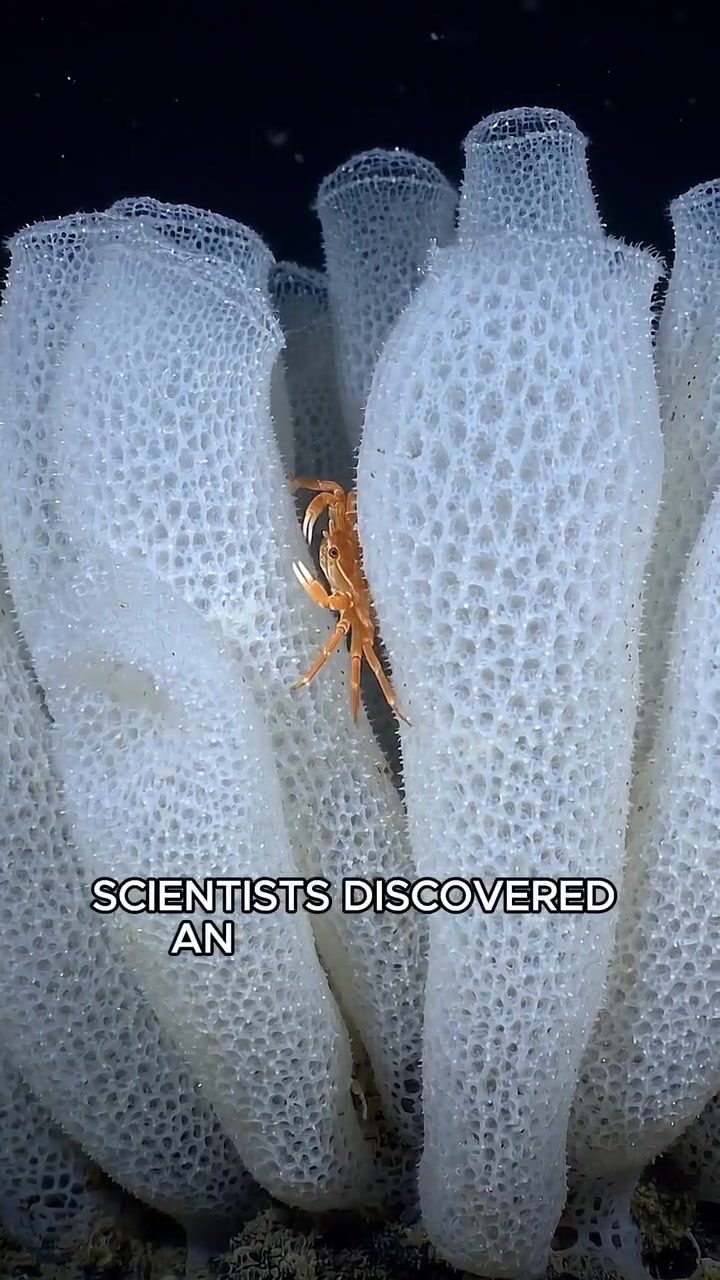
The Glass Sponge: A Marvel of the Ocean
Glass sponges are among the most extraordinary creatures inhabiting the deep sea. These organisms, found thousands of feet below the ocean's surface, construct their entire skeletons from microscopic silica needles, fusing them into intricate, hyper-strong lattices. Engineers are actively studying these structures to design stronger, damage-resistant building materials.
Context: Why This Matters
The glass sponge's unique biological traits have captivated scientists and engineers alike. These sponges have been around for at least 10,000 years, making them some of the longest-lived animals on Earth. Their extraordinary survival and structural integrity offer insights into potential advancements in materials science, particularly in the development of durable, flexible materials.
The Intricate Structure of Glass Sponges
Glass sponges are built from silica, a type of glass that forms intricate lattices. These lattices are composed of microscopic silica needles, creating a structure that is both delicate and incredibly strong. This unique architecture allows glass sponges to withstand the immense pressures of the deep sea. The Venus Flower Basket, a well-known species of glass sponge, is particularly fascinating because it can transmit light through its spicules, functioning as natural fiber-optic cables.
Communication and Defense Mechanisms
Glass sponges exhibit remarkable communication abilities despite lacking a single nerve cell. They can send electrical impulses across their tissue to regulate various functions within their bodies. For instance, if toxic sediment drifts by, the sponge can instantly shut down its water pumps to protect itself. This sophisticated internal communication system is a testament to the sponge's advanced biological adaptations.
Symbiotic Relationships: The Glass Sponge and Shrimp
One of the most intriguing aspects of glass sponges is their symbiotic relationship with certain species of shrimp. Tiny shrimp swim inside the sponge for protection when they are young. As the sponge grows, the openings of its lattice seal shut, trapping the shrimp inside for the rest of their lives. This biological "love prison" is both fascinating and perplexing, providing a unique example of a symbiotic relationship where both organisms depend on each other for survival.
A Living Fiber-Optic Network
Certain species of glass sponges, such as the Venus Flower Basket, have spicules that transmit light. These spicules act as natural fiber-optic cables, allowing the sponge to create a living, luminous network. This capability has not only piqued the interest of marine biologists but also engineers interested in developing more efficient and durable fiber-optic materials.
Practical Tips for Observing Glass Sponges
Observing glass sponges in their natural habitat is a challenging but rewarding endeavor. For those interested in exploring these fascinating creatures:
- Dive Deep: Glass sponges are found thousands of feet below the ocean’s surface, so access is typically limited to specialized deep-sea submersibles or remotely operated vehicles (ROVs).
- Use Advanced Imaging: High-resolution cameras and lighting equipment are essential for capturing the delicate structures and intricate details of glass sponges.
- Study the Symbionts: Pay close attention to the symbiotic relationships between glass sponges and shrimp. Understanding these interactions can provide deeper insights into the sponge's ecology and behavior.
- Conserve the Environment: Ensure that any exploration activities do not disturb or damage the fragile deep-sea ecosystems where glass sponges thrive.
Important Takeaways
Glass sponges are a marvel of the ocean, showcasing remarkable biological adaptions and symbiotic relationships. Their unique structures and communication systems make them invaluable subjects for scientific research, particularly in the fields of materials science and marine biology. By studying these creatures, we can uncover new insights into the deep sea's mysteries and develop innovative technologies inspired by nature.
The discovery of glass sponges highlights the vast and largely unexplored world of the deep sea. It serves as a reminder that there are still many wonders waiting to be discovered in the ocean depths. Glass sponges are just one example of the incredible biodiversity and complexity that exists in these remote and mysterious ecosystems.
Conclusion
The glass sponge is a testament to the wonders of the natural world, particularly the deep sea. Their extraordinary skeletons, communication abilities, and symbiotic relationships with shrimp have made them a subject of intense study and fascination. Whether you are a marine biologist, an engineer, or simply an enthusiast of the natural world, the glass sponge offers endless opportunities for exploration and discovery. As we continue to explore the depths of the ocean, who knows what other remarkable creatures we might encounter?
Watch the Reel
Questions readers ask
What are glass sponges and where are they typically found?
Glass sponges are unique marine organisms known for their silica-based skeletal structures. They are typically found in the deep sea, thousands of feet below the ocean's surface, where they have thrived for millennia.
How do glass sponges construct their skeletons?
Glass sponges construct their skeletons using microscopic silica needles. These needles fuse together to create intricate, robust lattices that provide exceptional strength and durability.
What makes glass sponges so significant in materials science?
Glass sponges are significant in materials science due to their extraordinary durability and unique light-transmitting properties. Engineers study these properties to develop stronger, more damage-resistant materials and innovative structures.
How long do glass sponges live, and why is this notable?
Glass sponges have a lifespan of over 10,000 years, making them some of the longest-lived animals on Earth. Their remarkable longevity provides valuable insights into longevity and structural integrity, inspiring research into advanced materials.
How do glass sponges inspire advancements in optics and engineering?
The light-transmitting properties of glass sponges have inspired advancements in fiber optics. The unique way these sponges transmit light within their skeletal structures is being studied to create more efficient optical technologies.
What role do glass sponges play in deep-sea ecosystems?
Glass sponges contribute to deep-sea ecosystems by providing habitats and support for other marine life due to their intricate structures. Their presence enhances biodiversity and supports the complex web of life in the deep ocean.
Can the properties of glass sponges be replicated in human-made materials?
Researchers are actively working to replicate the properties of glass sponges in human-made materials. By understanding and mimicking the sponge's silica-based structures, scientists aim to create innovative materials for various applications, including construction and optical technologies.
Related deep dives
Similar reads based on topic and creator.




Recent articles
Fresh deep dives from the latest Reels we unpacked.




Comments
Be the first to comment.