The Emerging Role of Robotics in Space Exploration
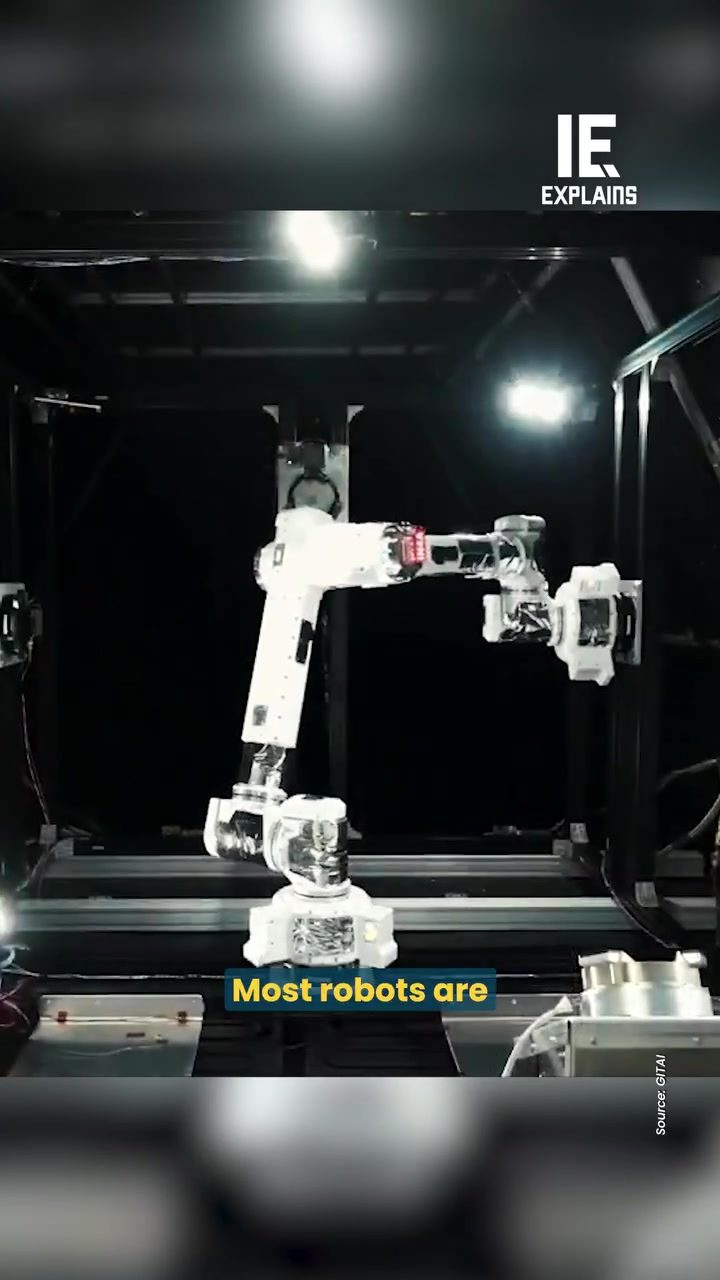
Space exploration has been a crucial focus of technology and research, with robotics playing an increasingly vital role. The development of advanced robotics for space applications is driven by the need to facilitate labor in the harsh and dangerous environment of space. This includes the International Space Station (ISS), lunar missions, and beyond. Startups like GITAI, founded in Japan in 2016, are at the forefront of this effort, pioneering safe and affordable robotic labor in space. The recent mission demonstrates the intricate processes and capabilities of space robotics.
Context / Why this matters
Labor in space poses significant risks for humans. Space robots can perform routine tasks, allowing humans to focus on more complex and dangerous missions. This shift not only ensures the safety of human astronauts but also optimizes the efficiency of space missions. With an increasing number of space missions and the prospect of lunar and Martian exploration, the demand for advanced robotics in space is set to grow exponentially.
Main Discussion
Pioneering Space Robotics: GITAI's Mission
The mission of GITAI is to provide safe and affordable robotic labor in space, reducing the risks associated with human astronauts performing routine tasks. This vision is driven by the need to enhance the capability of space missions while ensuring the safety of the crew. GITAI's contributions to space robotics have already made a significant impact, with several of its machines having worked on the ISS.
The Role of the S2 System
The 1.5-meter dual-armed S2 system launched on Northrop Grumman's NG-20 mission is a testament to GITAI's engineering prowess. This system was put to work outside the ISS, demonstrating its capability to perform complex tasks in the harsh conditions of space. The S2 system's success highlights the potential of robotics in space exploration and sets a precedent for future missions.
Expanding Horizons: GITAI's Innovations
GITAI's innovations extend beyond the ISS. The startup has developed a lunar rover and completed a study for a robotic arm on Japan's pressurized rover for NASA's Artemis program. These developments showcase GITAI's commitment to advancing space robotics and its role in future lunar missions.
Defense Applications
In December 2025, GITAI won a contract under the Missile Defense Agency's $151 billion shield program. This contract signifies a shift in GITAI's focus, expanding into defense applications. The robotic servicing satellite, designed to autonomously chase down and dock with satellites, demonstrates GITAI's versatility and its capability to adapt to various challenges in space.
Practical Tips
-
Understand the Requirements: Before deploying robots in space, it is crucial to understand the specific requirements and challenges of the mission. Whether it's the ISS, lunar missions, or defense applications, the demands can vary significantly.
-
Design for Durability: Space robots must be designed to withstand the harsh conditions of space, including extreme temperatures, radiation, and microgravity. Robust engineering and extensive testing are essential to ensure the reliability of space robots.
-
Autonomous Capabilities: Autonomous robots can perform tasks without human intervention, making them ideal for space missions. Developing autonomous capabilities can significantly enhance the efficiency and safety of space missions.
-
Testing and Validation: Rigorous testing and validation are necessary to ensure that the robots can perform their tasks effectively in space. Simulated environments can help identify potential issues and refine the design before deployment.
-
Collaboration and Partnerships: Partnering with other organizations, such as NASA, JAXA, and private companies, can provide valuable resources and expertise. Collaboration can also help validate the technology and accelerate its development.
Important Takeaways
The advancements in space robotics, particularly by companies like GITAI, have significant implications for the future of space exploration. Robotics can enhance the safety and efficiency of space missions, allowing humans to focus on more complex and dangerous tasks. The development of space robots also paves the way for future missions, including lunar and Martian exploration.
Conclusion
The role of robotics in space exploration is set to grow as missions become more complex and ambitious. GITAI's innovations, particularly its S2 system and lunar rover, highlight the potential of robotics in space. As we continue to explore the cosmos, the need for advanced robotics will only increase, driving further innovation and development in this exciting field. The future of space robotics is bright, and companies like GITAI are leading the way.
Watch the Reel
Questions readers ask
What are the primary benefits of using robotics in space missions?
Robotics in space missions enhance safety by taking over hazardous tasks, reduce costs by lowering the need for human intervention, and improve efficiency by performing precise, repetitive tasks more quickly and accurately than humans can.
How does GITAI's S2 system contribute to space mission efficiency?
The GITAI S2 system, with its dual-armed design, can handle complex tasks simultaneously. This capability allows for faster completion of tasks and reduces the time astronauts need to spend on routine activities, freeing them up for more critical mission objectives.
What makes GITAI's robotic solutions safe for space exploration?
GITAI's robots are designed to operate autonomously in the harsh conditions of space, minimizing the risks associated with human exposure to extreme environments. They are equipped with advanced sensors and control systems to ensure reliable and safe performance.
How does GITAI compare to other startups in the space robotics field?
GITAI stands out due to its focus on affordability and safety. By developing cost-effective robotic solutions, GITAI makes space exploration more accessible for a variety of missions, from ISS maintenance to lunar exploration.
What specific tasks can the GITAI S2 system perform in space?
The GITAI S2 system can perform a wide range of tasks, including equipment maintenance, cargo handling, and even complex assembly tasks. Its dual-armed design allows it to handle multiple tools and objects simultaneously, making it highly versatile.
What is the significance of GITAI's recent mission in the context of space exploration?
The recent mission showcased the capabilities and reliability of GITAI's robotic systems in a real-world space environment. The successful completion of tasks demonstrated the potential for robotics to play a crucial role in future space missions, particularly in enhancing safety and efficiency.
How does GITAI's Japanese origins influence its approach to space robotics?
GITAI's roots in Japan, a country known for its technological advancements, drive its focus on innovation and precision. This heritage influences the design and functionality of its robotic systems, ensuring they meet the high standards required for space exploration.
Related deep dives
Similar reads based on topic and creator.


Recent articles
Fresh deep dives from the latest Reels we unpacked.




Comments
Be the first to comment.