Diabetes Drugs: From Lizard Venom to Modern Breakthroughs
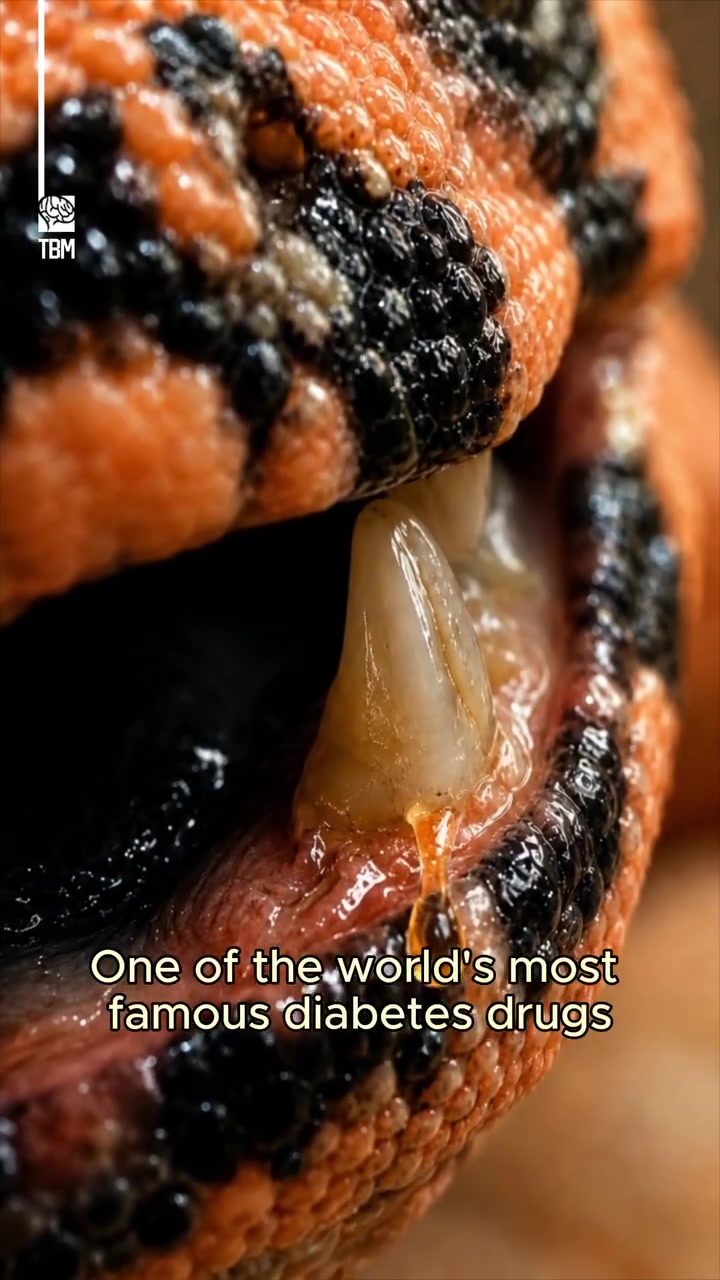
Diabetes drugs have come a long way, and one of the most remarkable stories behind their development involves an unlikely source: a venomous lizard. The Gila monster, a dangerous desert reptile, played a pivotal role in the creation of some of the world's most effective diabetes medications.
Context / Why This Matters
The discovery of these medications has significantly impacted diabetes treatment. Understanding their origins and mechanisms can provide insight into the innovative approaches used in modern medicine. This journey from venom to medication highlights the importance of exploring unconventional sources in the quest for new treatments.
Main Discussion
The Gila Monster and Exendin-4
The story begins in the early 1990s when scientists were studying the Gila monster. This venomous lizard is native to the southwestern United States and northwest Mexico. Researchers discovered a unique molecule in its venom called exendin-4. This peptide has a remarkable ability to mimic the actions of a human hormone called GLP-1.
GLP-1 and Blood Sugar Control
GLP-1, or glucagon-like peptide-1, is a hormone that plays a crucial role in regulating blood sugar levels. It stimulates the pancreas to release insulin when glucose levels rise, helping to control blood sugar. However, the human version of GLP-1 is rapidly broken down in the body, limiting its effectiveness as a treatment. This is where exendin-4 comes in.
The Breakthrough: Exenatide
Exendin-4, unlike its human counterpart, resists rapid breakdown and remains active in the body for hours. This discovery led to the development of exenatide, the first GLP-1-based medication. Exenatide mimics the actions of GLP-1, helping to control blood sugar levels more effectively and for a longer duration.
The Evolution to Semaglutide and Beyond
The success of exenatide paved the way for the development of newer, more effective GLP-1-based medications. One such drug is semaglutide, which was engineered using the same concept. Semaglutide has shown promising results in clinical trials, offering improved blood sugar control and additional benefits such as weight loss.
Practical Tips
Understanding GLP-1-Based Medications
GLP-1-based medications are a class of drugs that work by mimicking the actions of the natural hormone GLP-1. These drugs help to control blood sugar levels by stimulating the release of insulin and suppressing the release of glucagon, a hormone that causes the liver to release stored glucose. They also slow down the emptying of the stomach, which can help to reduce appetite and promote weight loss.
Managing Diabetes with GLP-1-Based Medications
If you are managing diabetes, understanding how GLP-1-based medications work can help you make informed decisions about your treatment. These drugs can be administered via injection or, in some cases, as an oral tablet. It's essential to follow your healthcare provider's instructions for proper dosage and administration.
Important Takeaways
The Role of Exendin-4
Exendin-4, a molecule found in the venom of the Gila monster, has played a crucial role in the development of modern diabetes medications. Its ability to mimic GLP-1 and remain active in the body for extended periods has led to the creation of effective treatments such as exenatide and semaglutide.
The Potential of Unconventional Sources
The story of exendin-4 and GLP-1-based medications underscores the potential of exploring unconventional sources in the quest for new treatments. Venoms and toxins from various animals and plants can contain unique compounds with therapeutic properties, opening up new avenues for research and development.
The Impact on Diabetes Care
The development of GLP-1-based medications has significantly impacted diabetes care. These drugs offer improved blood sugar control and additional benefits such as weight loss, providing more options for managing this complex condition. The journey from venom to medication highlights the ongoing importance of scientific research in improving health outcomes.
Conclusion
The evolution of diabetes drugs from the venom of the Gila monster to modern breakthroughs like semaglutide is a testament to the power of scientific discovery. By exploring unconventional sources and understanding the mechanisms behind these medications, we can continue to develop innovative treatments that improve the lives of people with diabetes. Whether through exendin-4 or the next groundbreaking discovery, the future of diabetes care looks promising.
Watch the Reel
Related deep dives
Similar reads based on topic and creator.




Recent articles
Fresh deep dives from the latest Reels we unpacked.




Comments
Be the first to comment.