Community Clothing Swap
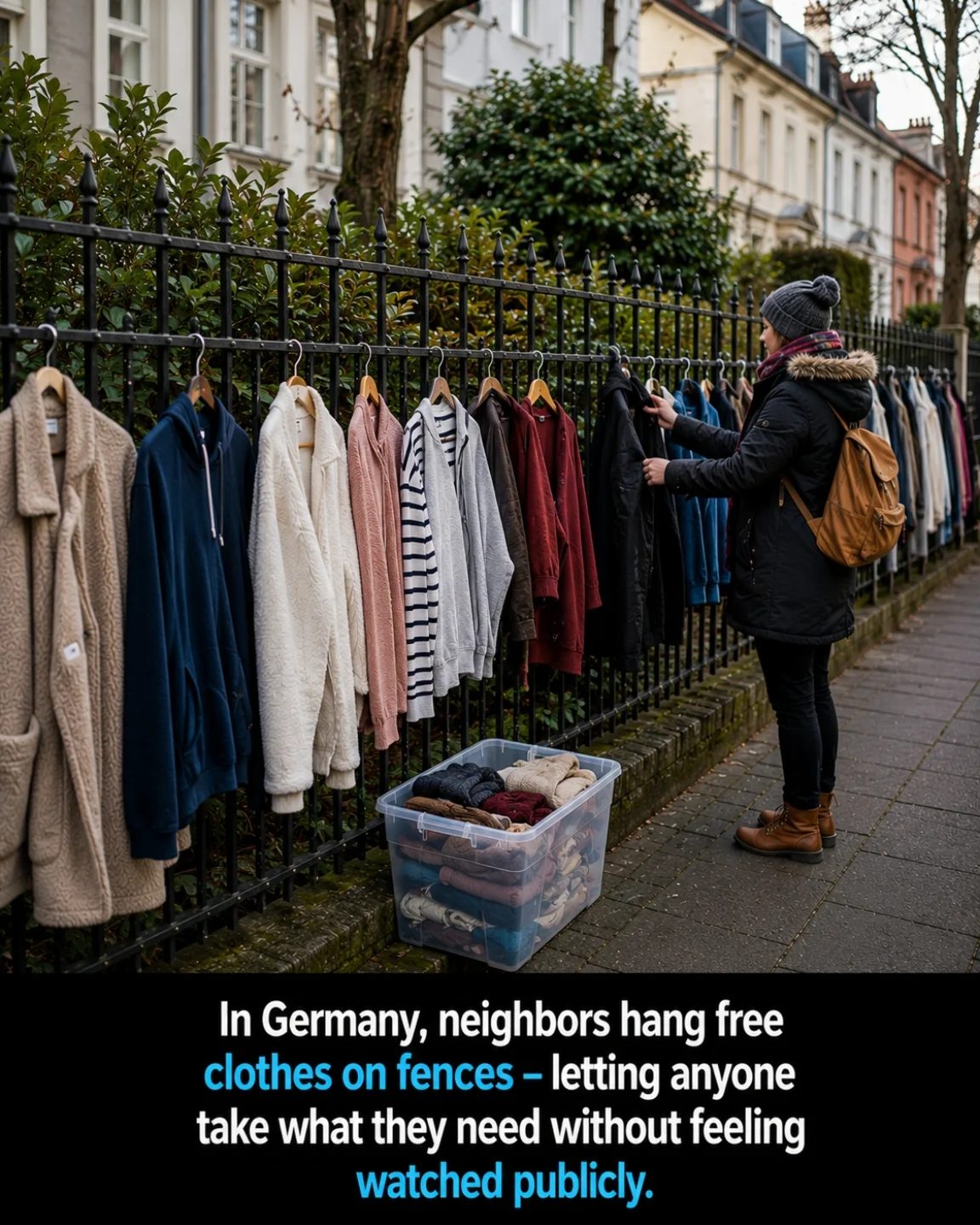
In Germany, neighbors have developed a unique and practical way to share clothes within their community. By hanging used clothing items on fences, they provide an easy and non-judgmental way for anyone to take what they need. This initiative not only helps to reduce waste but also fosters a sense of community and mutual support.
Why This Matters
The concept of a community clothing swap is more than just a convenient way to declutter wardrobes. It addresses several significant issues that affect modern society:
-
Sustainability: The fashion industry is one of the largest contributors to environmental pollution. By reusing and sharing clothes, communities can significantly reduce textile waste and their carbon footprint. This initiative exemplifies how small, localized efforts can contribute to broader environmental goals.
-
Economic Accessibility: Access to affordable clothing is not always straightforward, especially for those in lower-income situations. A community clothing swap ensures that everyone, regardless of their financial status, has access to wearable clothes.
-
Social Inclusion: Community initiatives of this nature promote a sense of belonging and mutual support. They help to build stronger, more cohesive neighborhoods where people feel comfortable sharing resources and helping each other.
-
Reducing Stigma: One of the key aspects of this initiative is the elimination of the stigma often associated with accepting donated or second-hand clothes. By hanging items on a fence for anyone to take, it removes the feeling of being watched or judged, making it easier for people to utilize the resources available.
Main Discussion
The Mechanics of a Community Clothing Swap
The process is simple and effective. Neighbors collect used clothing items that they no longer need or want. These items are then hung on fences or placed in large bins where anyone can access them. This method ensures that the clothes are readily visible and accessible to the community, reducing the barrier for those who might otherwise hesitate to take advantage of such resources.
Community Participation
The success of a community clothing swap relies heavily on the participation of its members. This can be achieved by fostering a culture of sharing and sustainability within the neighborhood. Here are a few ways to encourage participation:
-
Information Sessions: Organize community meetings or information sessions to explain the initiative and its benefits. This can help in gaining the support and participation of all residents, regardless of their initial interest or knowledge.
-
Community Involvement: Involve local leaders, organizations, and schools to promote the cause. Their support can help in reaching a broader audience and ensuring the initiative's sustainability.
-
Regular Updates: Keep the community updated on the progress and impact of the clothing swap. Celebrate milestones, share success stories, and keep the conversation going. This will not only encourage continued participation but also attract new participants.
Benefits for the Environment
The environmental impact of the fashion industry is substantial. From the production of raw materials to the disposal of unwanted items, every step contributes to environmental degradation. Therefore, initiatives that focus on reuse and sharing can have a significant positive impact. Here are some of the ways this initiative benefits the environment:
-
Reducing Textile Waste: Many clothes end up in landfills because they are not disposed of properly. By sharing and reusing, we can significantly reduce the amount of textile waste.
-
Conserving Resources: The production of new clothes requires a lot of resources, including water, energy, and raw materials. By reusing clothes, we can conserve these resources.
-
Reducing Carbon Footprint: The fashion industry contributes to carbon emissions at various stages, from production to transportation. By reducing the need for new production, we can lower these emissions.
Benefits for the Community
Communities that engage in these kinds of initiatives experience several social and economic benefits:
-
Building Stronger Neighborhoods: These initiatives help to build stronger, more cohesive neighborhoods. They foster a sense of community and mutual support, making people feel more connected to their neighbors.
-
Supporting Those in Need: A community clothing swap provides a discreet and non-judgmental way for those in need to access clothing. This helps in reducing social stigma and ensuring that everyone has access to essential items.
-
Promoting Sustainability: Community initiatives like these promote a culture of sustainability and responsible resource management. They teach residents about the importance of reuse and sharing, encouraging similar behaviors in other aspects of life.
Challenges to Consider
Despite the numerous benefits, implementing a community clothing swap is not without its challenges. Here are a few potential hurdles and how to address them:
-
Maintaining Quality and Hygiene: Ensuring the cleanliness and quality of the clothes can be a challenge. Regularly inspect and clean the items, and encourage participants to do the same.
-
Encouraging Participation: It can be challenging to get everyone on board. Regular community meetings, updates, and involvement of local leaders can help in gaining support and ensuring continued participation.
-
Managing Excess: There might be times when the supply exceeds demand. To manage excess, consider partnering with local charities or organizations that can distribute the surplus to those in need.
Practical Tips
Starting a community clothing swap in your neighborhood can be a fulfilling and impactful initiative. Here are some practical tips to help you get started:
-
Assess the Need: Conduct a survey or community meeting to assess the need and interest in a clothing swap. This will help you gauge the level of support and participation.
-
Choose a Location: Select a convenient and accessible location for the clothing swap. This could be a fence, a bin, or a designated area in a community center.
-
Promote the Initiative: Use local media, social media, and community bulletin boards to promote the initiative. Inform residents about the benefits and how they can participate.
-
Organize Regularly: Set up a regular schedule for the clothing swap. This could be weekly, monthly, or seasonally, depending on the community's needs and preferences.
-
Engage the Community: Encourage active participation from residents, local leaders, and organizations. Their support and involvement will be crucial in ensuring the initiative's success.
-
Sustainability: Ensure the initiative is sustainable by continuously engaging the community, monitoring progress, and making necessary adjustments.
Important Takeaways
Participating in a community clothing swap offers multiple benefits, from reducing environmental waste to fostering stronger community bonds. By providing an easy and non-judgmental way to access clothing, it helps to make essential resources available to everyone. The success of such initiatives relies heavily on community participation, support, and regular updates. Challenges such as maintaining quality and managing excess can be addressed through careful planning and community engagement. By following practical tips and ensuring sustainability, you can start a successful community clothing swap in your neighborhood.
Conclusion
A community clothing swap is a practical and impactful initiative that benefits both the environment and the community. By sharing and reusing clothes, we can reduce textile waste, conserve resources, and promote sustainability. It also fosters a sense of belonging and mutual support, making it an ideal initiative for building stronger, more cohesive neighborhoods. With careful planning, community engagement, and practical steps, you can start a successful clothing swap and contribute to a more sustainable future.
Watch the Reel
Questions readers ask
How does the Community Clothing Swap Initiative in Germany work?
The initiative operates on a simple principle: neighbors hang used clothing items on fences for others to take. There are no formal exchanges or transactions involved; anyone can take what they need and leave what they don't.
What are the benefits of participating in a clothing swap?
Participating in a clothing swap helps reduce textile waste by prolonging the life of clothes. It also promotes sustainability by decreasing the demand for new clothing production. Additionally, it fosters a sense of community and mutual support among neighbors.
How does this initiative address economic accessibility?
By making used clothing freely available, the initiative ensures that everyone, regardless of their financial situation, can access affordable clothing. This helps to alleviate the economic burden of purchasing new clothes and promotes social inclusion.
Is there a specific type of clothing that is typically offered in these swaps?
The types of clothing offered can vary widely. Typically, you'll find everyday wear such as casual clothes, outerwear, and even shoes. Some items might be seasonal, reflecting the current weather conditions of the region.
How can I start a community clothing swap in my neighborhood?
To start a clothing swap, you can begin by coordinating with neighbors to set up a designated area, such as a fence or community board, where clothes can be hung. Promote the initiative through local communication channels like flyers, social media, or community groups to encourage participation and spread awareness.
What happens to items that are not taken during a clothing swap?
Items that are not taken can usually be collected and donated to local charities or textile recycling centers. This ensures that even the leftover items contribute to sustainability efforts and do not end up in landfills.
Related deep dives
Similar reads based on topic and creator.

Recent articles
Fresh deep dives from the latest Reels we unpacked.




Comments
Be the first to comment.