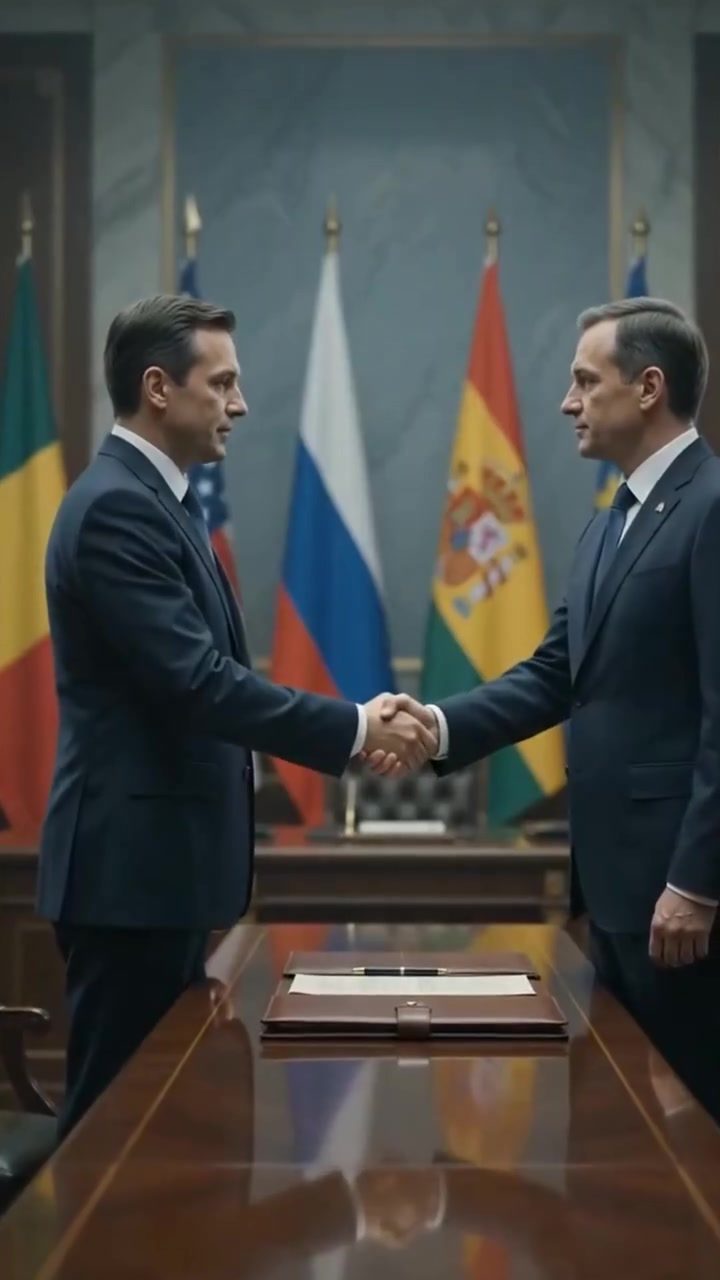
Germany's Significant Investment in Ukraine's Drone Warfare Capabilities
The recent financial backing from Germany to Ukraine for the procurement of 50,000 Shrike FPV attack drones highlights a pivotal shift in the ongoing conflict. This €90 million ($103 million) investment is one of the most substantial Western drone procurement contracts in the war to date.
Why this matters
Germany's commitment underscores the critical role that drones play in modern warfare and the strategic importance of Ukraine's ability to defend itself. The drones are not just tools for reconnaissance; they are equipped with advanced technology that allows them to operate autonomously and effectively even in the face of enemy jamming efforts. This investment is part of a broader trend of Western nations supporting Ukraine with advanced military technology, indicating a long-term commitment to the region's stability and defense.
The technical specs
Manufacturing and Design
The drones, manufactured by Ukrainian company SkyFall, are designed with a focus on resilience and accuracy. The Shrike FPV attack drones are equipped with a fiber-optic control line, which makes them resistant to traditional radio jamming tactics. This innovation is crucial in a conflict where electronic warfare is a significant threat.
The drones are also equipped with autonomous targeting software from Auterion. This software allows the drones to keep tracking a moving target, even if the control signal is jammed or lost in the final seconds of an attack. This level of autonomy enhances the drones' effectiveness on the battlefield, making them a formidable asset in Ukraine's defense arsenal.
Performance and Testing
The Shrike design has proven its mettle in competitive settings. It recently scored 99.3 out of 100 in the Pentagon's Drone Dominance competition, outpacing the second-place entrant by a significant margin. This performance metric underscores the drone's reliability and effectiveness in real-world scenarios, making it a valuable addition to Ukraine's military capabilities.
The broader picture
International Support
Germany's investment in Ukraine's drone capabilities is part of a broader pattern of international support. The UK, for instance, has separately committed 150,000 drones as part of a £752 million package. These commitments reflect a coordinated effort among Western nations to bolster Ukraine's defensive and offensive capabilities. The drones are being delivered in phases, with some already in Ukraine and the rest expected by the end of 2026. This phased delivery ensures a steady influx of advanced technology, allowing Ukraine to adapt and enhance its military strategies over time.
Strategic Implications
The deployment of these drones has strategic implications beyond the immediate battlefield. By enabling Ukraine to scale up its drone production, Germany is helping Ukraine build a more self-sustaining military capability. This not only aids in the current conflict but also sets the stage for long-term defense readiness. The investment in drone technology signifies a shift towards more autonomous and resilient military equipment, which could redefine modern warfare.
Logistics and Supply Chain
The logistics and supply chain involved in delivering these drones are also noteworthy. The manufacturing process, as depicted, involves a collaborative environment with robotic arms assisting in the assembly. This highlights the advanced nature of the production facilities and the efficiency of the supply chain. Once assembled, the drones are transported via logistics operations, ensuring they reach their destination safely and efficiently.
Comparative Analysis
The Shrike FPV attack drones stand out due to their unique design and capabilities. The use of a fiber-optic control line and advanced autonomous targeting software sets them apart from traditional drones. This design allows them to operate effectively in environments with high electronic interference, making them a strategic asset in conflicts where electronic warfare is prevalent.
Practical tips
For those interested in the broader implications of drone technology in modern warfare, several key points are worth noting:
- Resilience Against Jamming: Invest in drones equipped with fiber-optic control lines to enhance resilience against radio jamming.
- Autonomous Targeting: Utilize drones with autonomous targeting software to maintain accuracy and effectiveness even in adverse conditions.
- Advanced Manufacturing: Consider drones built in advanced manufacturing environments with robotic assistance for higher production efficiency.
Important takeaways
Germany's investment in Ukraine's drone capabilities marks a significant milestone in the ongoing conflict and highlights the pivotal role of advanced technology in modern warfare. The drones' design, equipped with a fiber-optic control line and autonomous targeting software, makes them a formidable asset. The investment also underscores the broader international support for Ukraine, indicating a long-term commitment to the region's stability and defense. The strategic implications of this investment extend beyond the immediate battlefield, setting the stage for a more self-sustaining and resilient military capability in Ukraine.
Conclusion
The $103 million investment in Shrike FPV attack drones by Germany underscores the critical role of advanced drone technology in modern warfare. The drones' unique design and capabilities, along with the broader international support for Ukraine, highlight a strategic shift towards more autonomous and resilient military equipment. This investment not only aids in the current conflict but also sets the stage for long-term defense readiness, making it a pivotal development in the ongoing geopolitical landscape.
Watch the Reel
Questions readers ask
What are the Shrike FPV attack drones that Germany is providing to Ukraine?
The Shrike FPV (First Person View) attack drones are advanced, autonomous unmanned aerial vehicles designed for modern warfare. They are equipped with technology that allows them to operate effectively even when faced with enemy jamming efforts, making them crucial for Ukraine's defense strategy.
How many drones is Germany providing to Ukraine with this investment?
Germany's €90 million investment enables Ukraine to acquire 50,000 Shrike FPV attack drones. This significant quantity underscores the importance of drones in Ukraine's military strategy and Germany's support for Ukraine's defense capabilities.
What makes drones important in modern warfare, according to Germany's investment in Ukraine?
Drones are vital in modern warfare for their ability to provide real-time reconnaissance and their autonomous capabilities, which enhance operational efficiency and accuracy. They are also crucial for resilience against enemy jamming, as seen in Germany's support for Ukraine's drone procurement.
What is FPV technology, and why is it significant in this context?
FPV, or First Person View, technology allows drone operators to see exactly what the drone's camera sees, providing an immersive and precise control experience. In the context of warfare, FPV technology enhances the accuracy and effectiveness of drone operations, making drones equipped with this technology highly valuable in Ukraine's defense arsenal.
How does Germany's drone investment in Ukraine compare to other Western military support?
Germany's €90 million investment for the procurement of 50,000 Shrike FPV attack drones is one of the most substantial Western drone procurement contracts in the ongoing conflict. It signifies a significant commitment to Ukraine's defense capabilities and highlights the strategic importance of drones in modern warfare.
Why are autonomous drones important for Ukraine's defense against enemy jamming?
Autonomous drones, like the Shrike FPV attack drones, can operate independently and maintain their functionality even when faced with enemy jamming efforts. This resilience is crucial for Ukraine's defense, as it ensures that drones can continue to gather intelligence and carry out missions without being disrupted by adversarial interference.
What broader trend does Germany's investment in Ukraine's drone capabilities reflect?
Germany's investment in Ukraine's drone capabilities reflects a broader trend of Western nations providing advanced military technology to support Ukraine's defense. This trend emphasizes the importance of incorporating innovative technologies, such as drones, into modern warfare strategies to enhance resilience and accuracy.
Related deep dives
Similar reads based on topic and creator.

Recent articles
Fresh deep dives from the latest Reels we unpacked.




Comments
Be the first to comment.