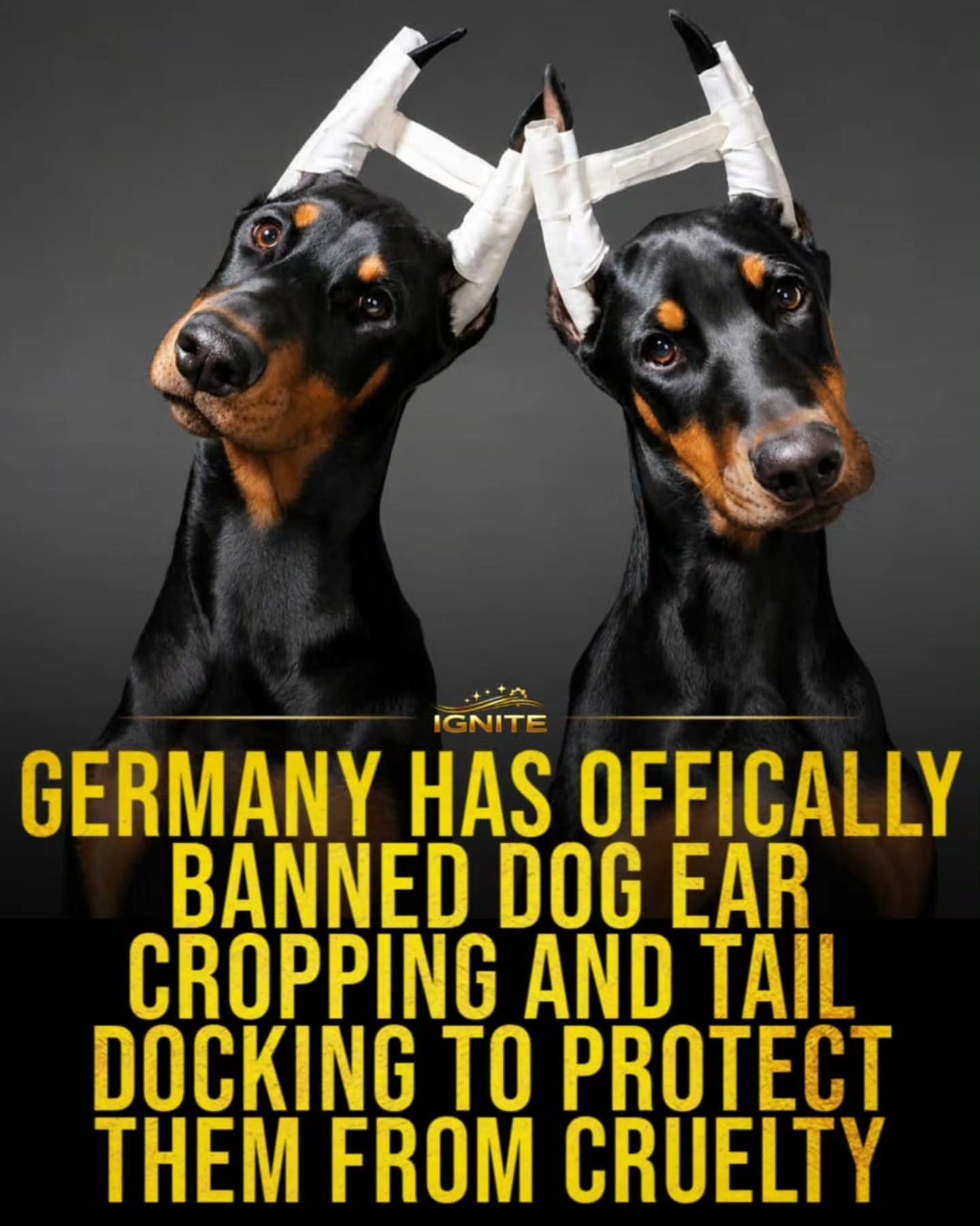
Dog Ear Cropping and Tail Docking Bans in Germany
Germany has taken a significant step in animal welfare by officially banning dog ear cropping and tail docking. This move is aimed at protecting dogs from unnecessary procedures that are widely considered to be cruel. The ban applies to both procedures, which have been common practices in some breeding and grooming circles. Understanding this legislative change and its implications is crucial for dog owners, breeders, and enthusiasts.
Context: Animal Welfare and Ethical Breeding
In recent years, the conversation around animal welfare has gained significant traction globally. Proponents argue that procedures like ear cropping and tail docking are often performed without adequate justification and can cause unnecessary pain and distress to the animals. The ban in Germany is a reflection of this growing concern and a commitment to enhancing the well-being of dogs.
Main Discussion
The Ethics of Ear Cropping and Tail Docking
Ear cropping and tail docking are surgical procedures that involve the removal of part or all of a dog's ears and tail, respectively. These procedures are often performed on puppies for cosmetic reasons, to meet breed standards, or to prevent injury in working dogs. However, the ethics of these practices have long been debated. Critics argue that these procedures are painful and often unnecessary, while proponents maintain that they can serve functional purposes.
The Legal Framework
Germany's ban on these procedures is part of a broader trend in Europe. Several other countries, including the United Kingdom, Switzerland, and Spain, have already implemented similar bans. The legal framework in Germany includes strict penalties for those who perform or promote these procedures, ensuring that the ban is effectively enforced. The legislation is designed to protect dogs from cruel and unnecessary surgeries, emphasizing the importance of humane treatment.
Breeding and Show Standards
One of the significant implications of this ban is its impact on breed standards. Many dog breeds, such as Doberman Pinschers, have traditionally required cropped ears and docked tails to meet show standards. Breeders and show organizers will need to adapt to these new regulations, potentially leading to changes in breed standards and judging criteria. This shift could also influence the global dog show community, as organizations may follow Germany's lead in promoting more natural and humane standards.
Veterinary Considerations
Veterinarians play a crucial role in this transition. They are at the forefront of ensuring that dogs receive the best possible care and are key stakeholders in enforcing the new regulations. Veterinarians will need to be well-versed in the legal and ethical considerations surrounding ear cropping and tail docking, providing guidance to breeders, owners, and the public. This includes educating clients on the risks and benefits of alternative practices and promoting the natural beauty and functionality of dogs.
Public Opinion and Awareness
Public awareness and support for animal welfare have been growing, and this ban is a testament to that. Advocacy groups and animal welfare organizations have been instrumental in raising awareness about the cruelty of these procedures. The ban reflects a broader societal shift towards more compassionate and humane treatment of animals. Public opinion, informed by scientific research and ethical considerations, will continue to shape policies and practices in animal care.
The Role of IGNITE
IGNITE, a prominent advocate for animal welfare, has been actively involved in promoting the ban. Their efforts have included educating the public about the cruelty of these procedures and lobbying for legislative changes. IGNITE's advocacy has been crucial in pushing for this ban and ensuring its effective implementation. Their work highlights the importance of advocacy and community involvement in achieving significant policy changes.
Doberman Pinschers and Other Affected Breeds
Doberman Pinschers, among other breeds, are significantly affected by this ban. Traditionally, these breeds have been cropped to meet certain standards. However, with the ban in place, breeders and owners will need to adapt. This adaptation may involve rethinking traditional practices and exploring new ways to care for these dogs while ensuring they meet updated standards. The ban encourages a more natural and holistic approach to dog care, focusing on the dog’s well-being rather than cosmetic appearances.
Practical Tips
For dog owners and breeders, understanding the new regulations and their implications is essential. Here are some practical tips to help navigate this change:
Stay Informed
Keep up-to-date with the latest information and guidelines regarding the ban. This includes understanding the legal requirements and any changes to breed standards.
Consult Professionals
Work with veterinarians and other professionals who are well-versed in the new regulations. They can provide valuable guidance on alternative practices and care for your dogs.
Adapt Breeding Practices
Consider how these changes will affect your breeding practices. This might include adopting new standards and ensuring that your dogs are well-versed in the new requirements.
Advocate for Humane Practices
Support organizations like IGNITE that promote humane treatment of animals. Their advocacy can help drive further positive change and ensure that policies continue to prioritize animal welfare.
Educate the Public
Raise awareness about the ban and its importance. Sharing your knowledge and experience can help promote a more compassionate and informed community.
Important Takeaways
Germany's ban on dog ear cropping and tail docking is a significant step forward in animal welfare. It reflects a growing global consensus on the need for humane treatment of animals and sets a precedent for other countries to follow. For dog owners and breeders, this change brings both challenges and opportunities. It encourages a more natural and holistic approach to dog care, focusing on the well-being of the animal rather than cosmetic appearances. The ban is a testament to the power of advocacy and public awareness in driving policy changes that prioritize animal welfare.
Conclusion
The ban on dog ear cropping and tail docking in Germany marks a pivotal moment in the ongoing conversation about animal welfare. It underscores the importance of ethical practices in dog breeding and care, setting a new standard for the global community. As we move forward, it is crucial to support and advocate for policies that prioritize the well-being of animals, ensuring a more compassionate and humane treatment of our canine companions.
Watch the Reel
Questions readers ask
Why did Germany ban dog ear cropping and tail docking?
The German government enacted the ban to protect dogs from pain and discomfort caused by these procedures. The move aligns with the broader European trend of prioritizing animal well-being and preventing unnecessary cruelty.
When did the ban on dog ear cropping and tail docking come into effect in Germany?
The ban was officially implemented in 2021. It prohibits both ear cropping and tail docking, affecting dog owners, breeders, and groomers in Germany and EU.
What are the exceptions to the dog ear cropping and tail docking ban in Germany?
Germany’s ban on ear cropping and tail docking has strict rules, but there is a medical exemption. These procedures may still be performed under the guidance of a veterinarian to address ‘therapeutic’ issues.
How does this ban affect dog breeds traditionally subjected to these procedures, like Doberman pinschers?
Dog breeds like Doberman pinschers, which are known for these procedures, are expected to remain largely unaffected. The German government aims to allow these dogs to maintain their appearance through natural breeding rather than through surgical alterations.
What alternatives to tail docking are available for dog owners in Germany?
There are several alternatives to tail docking, such as breeding dogs with naturally short tails, or adopting dogs that already have short tails, providing a cruelty-free option for dog owners.
How does Germany’s ban on tail docking and ear cropping align with broader European trends?
Germany’s decision to prohibit dog ear cropping and tail docking aligns with a broader European trend towards stricter animal welfare laws, encouraging other countries to reconsider these procedures.
Related deep dives
Similar reads based on topic and creator.
Recent articles
Fresh deep dives from the latest Reels we unpacked.




Comments
Be the first to comment.