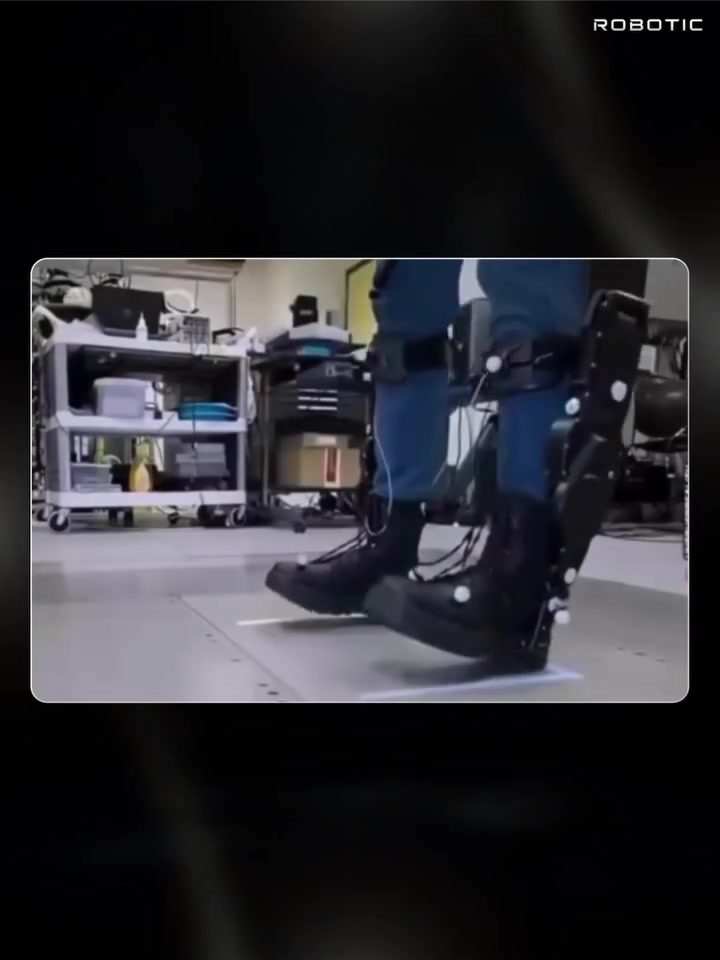
Robotic Exoskeleton Boots: Enhancing Stability and Preventing Falls
Robotic exoskeleton boots developed by Georgia Tech engineers are designed to detect and correct loss of balance faster than the human nervous system. This innovative technology uses high-speed sensors and advanced control algorithms to measure subtle shifts in body position, applying corrective torque at the ankle before the brain even registers a fall. The potential applications of this technology are vast, spanning from assisting individuals with balance impairments to supporting rehabilitation, physical therapy, and even enhancing everyday stability.
Why This Matters
Falls are a significant health concern, particularly for the elderly and those with balance impairments. According to the Centers for Disease Control and Prevention, falls are the leading cause of both fatal and nonfatal injuries among older adults. The development of robotic exoskeleton boots that can detect and correct loss of balance has the potential to greatly reduce the incidence of falls and related injuries, thereby improving quality of life and reducing healthcare costs.
Main Discussion
The Technology Behind the Exoskeleton Boots
The robotic exoskeleton boots developed by Georgia Tech engineers are equipped with high-speed sensors and sophisticated control algorithms. These components work together to monitor body position and detect even the slightest shifts that could indicate a loss of balance. The system's ability to react faster than the human nervous system is crucial, as it allows for immediate corrective action before a fall occurs.
How It Works
The boots function by continuously monitoring the user's body position through high-speed sensors. When a subtle shift is detected, the control algorithms process this information and apply corrective torque at the ankle. This action helps to stabilize the user and prevent a fall. The system's speed and precision are key to its effectiveness, as it can react to changes in balance faster than the human brain can register them.
Testing and Results
In tests conducted on unstable platforms, participants wearing the robotic exoskeleton boots were able to stay upright without taking a step. This demonstration showcases the boots' potential to significantly reduce balance-related injuries. The technology was originally designed for individuals with balance impairments, but its applications extend far beyond this initial target audience.
Potential Applications
While the primary focus of the robotic exoskeleton boots is to assist those with balance impairments, the technology has broader implications. It could be used in rehabilitation and physical therapy to help patients regain strength and improve balance. Additionally, the boots could be integrated into future wearable robotics to enhance everyday stability, providing support to individuals in various settings, from work to daily activities.
Practical Tips
For Users
If you or a loved one are considering using robotic exoskeleton boots, it's important to consult with a healthcare provider first. Ensure that the device is properly fitted and that you receive adequate training on how to use it effectively. Regular check-ups and maintenance can help to maximize the benefits of the technology and ensure its long-term effectiveness.
For Caregivers
Caregivers should be involved in the selection and fitting process of the exoskeleton boots. Understanding how the technology works and providing support during the initial adaptation period can help users feel more comfortable and confident. Regular monitoring and adjustments to the settings can also enhance the user's experience and effectiveness of the boots.
Important Takeaways
Robotic exoskeleton boots developed by Georgia Tech engineers are a groundbreaking innovation in the field of wearable robotics. The technology's ability to detect and correct loss of balance faster than the human nervous system holds great promise for reducing falls and related injuries, particularly for individuals with balance impairments. The potential applications of this technology are vast, extending from rehabilitation and physical therapy to everyday stability enhancement.
Conclusion
The development of robotic exoskeleton boots represents a significant advancement in wearable technology. By leveraging high-speed sensors and advanced control algorithms, these boots can detect and correct loss of balance with remarkable speed and precision. The potential to reduce falls and related injuries is substantial, making this technology a valuable tool for individuals with balance impairments, as well as for broader applications in rehabilitation, physical therapy, and everyday stability enhancement.
Watch the Reel
Questions readers ask
How do Georgia Tech's exoskeleton boots improve balance?
The exoskeleton boots use high-speed sensors to detect even slight changes in body position. Advanced algorithms then apply corrective forces at the ankle to stabilize the user, often before the brain can register the need for adjustment.
Who can benefit from using these exoskeleton boots?
These boots are particularly beneficial for individuals with balance impairments, as well as seniors who may be at a higher risk for falls. They can also aid in rehabilitation and physical therapy by providing real-time balance assistance.
What makes the exoskeleton boots effective in fall prevention?
The boots' effectiveness comes from their ability to detect and correct balance loss faster than the human nervous system. This rapid response helps to prevent falls before they occur, reducing the risk of related injuries.
Can these boots be used in daily life, or are they only for specific settings?
While the boots are designed to assist with balance impairments and rehabilitation, they also have the potential to enhance everyday stability, helping users maintain their balance during daily activities.
What role do the high-speed sensors play in the exoskeleton boots?
The high-speed sensors are crucial for measuring subtle shifts in body position. They allow the boots to respond quickly to any signs of imbalance, ensuring that corrective actions are taken promptly.
Related deep dives
Similar reads based on topic and creator.


Recent articles
Fresh deep dives from the latest Reels we unpacked.




Comments
Be the first to comment.