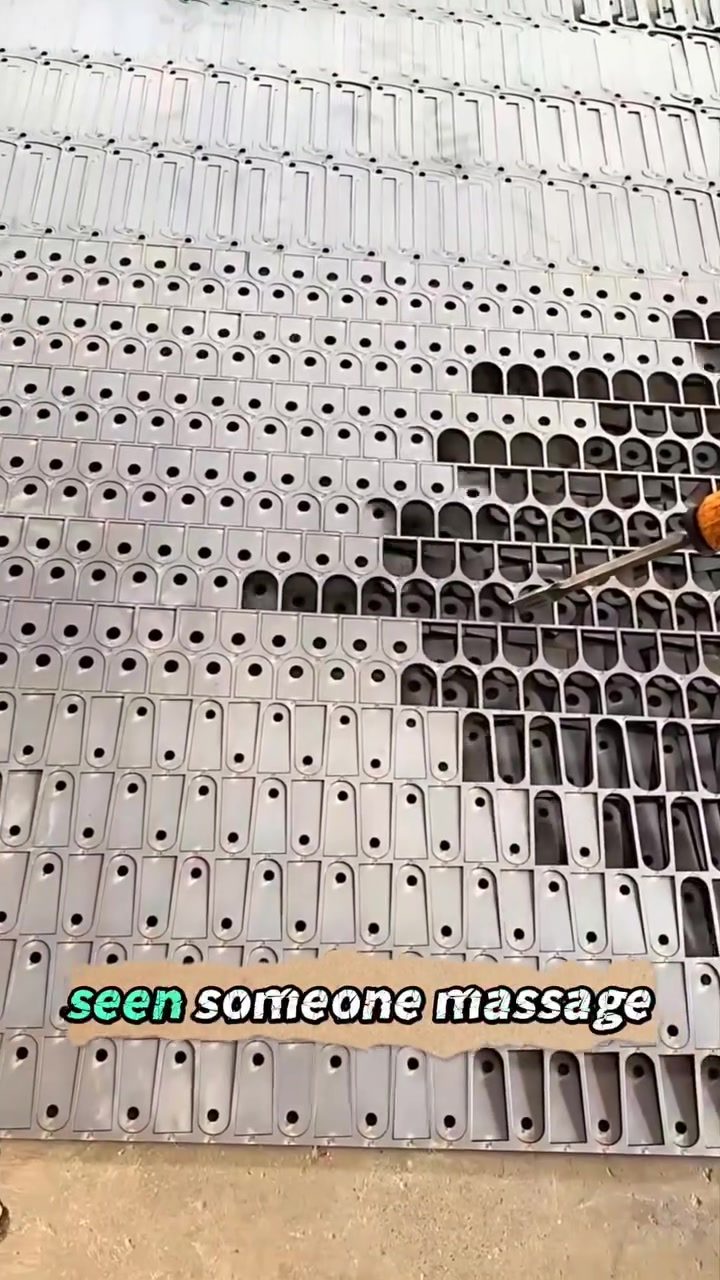
Laser Cutting: The Ingenious Trick Behind Shaking Steel Plates
Laser cutting is a ubiquitous technology in modern manufacturing, used to create precise and intricate designs in various materials, including metal. The process often involves leaving tiny connections, known as micro-joints, to ensure safety and precision. This method is crucial in preventing the fast-moving laser head from crashing into the metal pieces, which could cause significant damage.
Micro-joints: The Secret Behind Safe Laser Cutting
Micro-joints are tiny, intentional connections left by the laser cutter to hold every piece in place during the cutting process. Engineers employ this technique to maintain the integrity of the metal sheet and avoid the extreme heat that would otherwise warp the edges.
Why do engineers use micro-joints? The primary reason is safety. If the laser fully cuts the metal, the extreme heat can cause the edges to warp upward. This warping poses a significant risk, as the fast-moving laser head could crash into the raised pieces, potentially damaging parts or even destroying the machine itself. By leaving these micro-joints, engineers ensure that the metal sheet remains stable throughout the cutting process. Once the cutting is complete, workers use a high-frequency pneumatic vibrator to break these tiny connections through metal fatigue, allowing hundreds of perfectly cut parts to drop cleanly off the plate.
The Importance of Precision in Laser Cutting
Laser cutting machines are capable of producing intricate designs with high precision. The laser cutter operates by focusing a high-power beam of light onto the material, melting, burning, or vaporizing it to create the desired shape. This process requires precise control over the laser's power, speed, and focus to achieve the desired results. The use of micro-joints is a testament to the level of precision and control required in modern manufacturing processes.
How Micro-joints Improve Manufacturing Efficiency
The use of micro-joints not only enhances safety but also improves manufacturing efficiency. By leaving tiny connections, the laser cutting process can be completed faster and with fewer interruptions. This is because the metal sheet remains stable throughout the cutting process, reducing the need for manual intervention. Additionally, the use of a high-frequency pneumatic vibrator to break the micro-joints allows for a quick and efficient separation of the cut parts, further streamlining the manufacturing process.
Practical Tips for Laser Cutting
When working with laser cutting machines, it is essential to follow best practices to ensure safety and precision. Here are some practical tips for laser cutting:
Safety First
Always prioritize safety when operating laser cutting machines. Wear appropriate protective gear, including safety glasses and gloves, and ensure that the machine is properly ventilated to prevent the accumulation of fumes. Additionally, follow the manufacturer's instructions for operating the machine and always keep a safe distance from the cutting area.
Maintain Precision
Precision is key in laser cutting. Ensure that the laser cutter is properly calibrated and that the material is securely fastened to the cutting table. This will help prevent warping and ensure accurate cuts. Additionally, use the appropriate settings for the material being cut, including laser power, speed, and focus.
Use Micro-joints
Micro-joints are a critical component of the laser cutting process. By leaving tiny connections, you can ensure that the material remains stable throughout the cutting process, reducing the risk of warping and damage. Use a high-frequency pneumatic vibrator to break the micro-joints once the cutting is complete, allowing for a quick and efficient separation of the cut parts.
Important Takeaways
Laser cutting is a crucial technology in modern manufacturing, enabling the creation of precise and intricate designs in various materials. Micro-joints are a critical component of the laser cutting process, enhancing safety and efficiency by preventing warping and damage to the material. By following best practices for laser cutting, including prioritizing safety, maintaining precision, and using micro-joints, manufacturers can produce high-quality products with minimal waste and downtime.
Conclusion
From intricate designs to industrial applications, laser cutting is a versatile and essential technology in modern manufacturing. By understanding the role of micro-joints and adhering to best practices, you can harness the full potential of laser cutting to create high-quality products efficiently and safely. Whether you're a seasoned professional or just getting started, these insights will help you optimize your laser cutting processes and achieve the best possible results.
Watch the Reel
Questions readers ask
What are micro-joints in laser cutting and why are they important?
Micro-joints are small, intentional connections left during laser cutting to keep metal pieces in place. They are crucial for maintaining the stability of steel plates, preventing warping, and ensuring safe, precise manufacturing processes. By keeping the metal sheet intact, micro-joints help avoid costly damage and enhance the overall efficiency of laser cutting.
How do micro-joints prevent metal warping during laser cutting?
Micro-joints prevent metal warping by distributing heat more evenly across the steel plate. Without these tiny connections, the extreme heat from the laser could cause the metal to warp at the edges. By maintaining the integrity of the metal sheet, micro-joints ensure that the final product retains its intended shape and dimensions.
What is the role of micro-joints in high-speed manufacturing?
In high-speed manufacturing, micro-joints allow for precise, rapid cutting without the risk of the laser head colliding with metal pieces. By keeping the steel plates stable, micro-joints enable engineers to operate the laser cutter at higher speeds, increasing productivity and reducing the likelihood of costly mistakes or equipment damage.
Why is laser cutting safety enhanced by micro-joints?
Micro-joints enhance laser cutting safety by preventing the fast-moving laser head from crashing into metal pieces. This technique ensures that the cutting process remains controlled and predictable, minimizing the risk of accidents and equipment damage. By maintaining the stability of the steel plates, micro-joints create a safer working environment for engineers and operators.
How do laser cutting engineers utilize micro-joints to improve precision?
Engineers use micro-joints to ensure that the laser cutting process results in precise and accurate metal parts. By keeping the steel plates stable and preventing warping, micro-joints allow for high-speed, low-tolerance cutting. This technique enables engineers to produce intricate designs with minimal waste and optimal dimensional accuracy.
Can micro-joints be used with materials other than steel?
While micro-joints are commonly used in laser cutting steel, the technique can also be applied to other metals and materials. The key is to ensure that the material's properties allow for the controlled distribution of heat and the maintenance of stability during the cutting process. Engineers may need to adjust the size and placement of micro-joints based on the specific material being cut.
What happens to micro-joints after the laser cutting process is complete?
After the laser cutting process, micro-joints can be easily removed or separated, depending on the design and requirements of the final product. They are designed to be small and discreet, ensuring that the removal process does not compromise the integrity or aesthetic of the metal parts. The removal process can be done manually or through automated means, depending on the manufacturing setup.
Recent articles
Fresh deep dives from the latest Reels we unpacked.




Comments
Be the first to comment.