Beauty and Portrait Photography
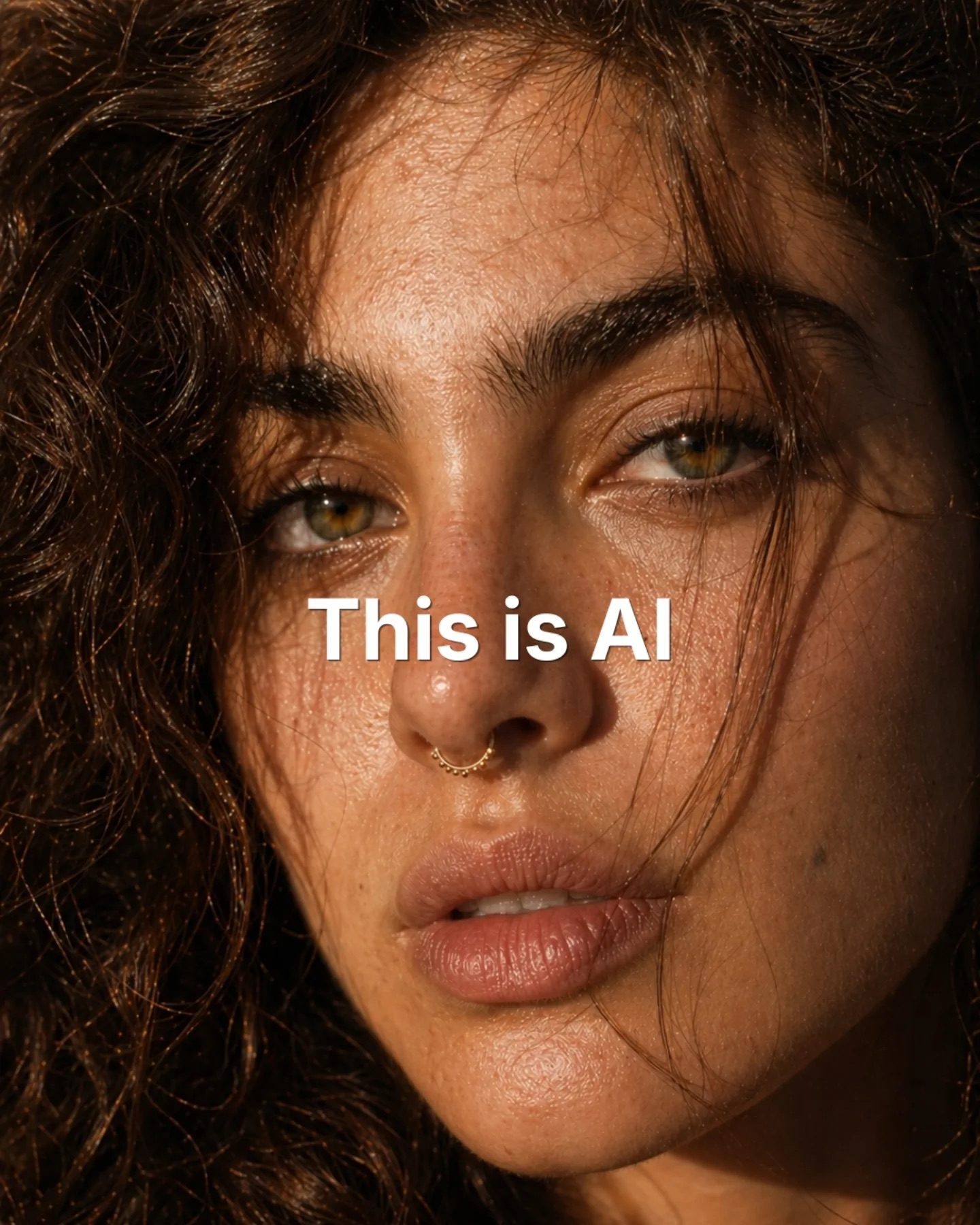
The use of realistic and detailed generative AI in beauty and portrait photography is a game-changer. This approach eliminates the need for studios, models, and physical shoots, offering a new way to create stunning and realistic beauty editorials. One example showcases a close-up portrait of a young woman with striking hazel-green eyes and curly auburn hair, highlighting the texture and natural imperfections of the skin.
Context / Why this matters
Generative AI in portrait photography offers a unique advantage. It allows for the creation of high-quality images without the need for elaborate setups or live models. This not only saves time and resources but also opens up new creative possibilities. By leveraging AI, photographers can experiment with different looks, lighting, and details that might be challenging or impossible to achieve in a traditional shoot.
Main discussion
The Power of Generative AI
Generative AI models can create highly realistic images that mimic the details of human skin, including pores and micro-relief. This technology focuses on capturing the natural beauty and imperfections of the subject, resulting in portraits that look lifelike and authentic. With this tool, photographers can generate images that highlight the individual characteristics of a person, including skin tone, eye color, and facial features.
Realistic Skin Texture
One of the key aspects of beauty editorials is the emphasis on realistic skin texture. The generative AI showcased in the beauty editorial captures the natural texture of the skin, including visible pores and micro-relief. This attention to detail creates an image that looks authentic and relatable. The warm, olive skin tone with golden undertones and the subtle lip lines enhance the natural look of the portrait, making it more lifelike. This focus on realism is crucial in beauty photography, as it adds depth and character to the subject.
The Importance of Lighting
Lighting plays a vital role in portrait photography. The AI-generated images showcase warm and directional lighting that highlights the skin's texture and natural imperfections. This type of lighting is essential for bringing out the details of the subject's face, making the portrait more engaging and visually appealing. By using warm, natural lighting, the AI can create a soft, flattering effect that enhances the overall look of the image.
Close-Up Details
The close-up shot in the beauty editorial highlights the eyes and facial features of the subject. This focus on the eyes and details such as a nose piercing adds a personal touch to the portrait, making it more intimate and relatable. By zooming in on these details, the AI can capture the subtle variations in skin tone and texture, creating a more detailed and lifelike image.
The Role of Natural Makeup
In beauty editorials, natural makeup is often preferred to enhance the subject's natural beauty without overwhelming it. The AI-generated images showcase natural makeup with subtle lip lines and minimal retouching, allowing the subject's natural features to shine through. This approach to makeup ensures that the image remains realistic and true to the subject's appearance, making it more appealing to the viewer.
Practical tips
When using generative AI for beauty and portrait photography, consider the following tips to enhance your work:
- Focus on Realism: Pay close attention to the details of the skin, such as pores and micro-relief, to create a more realistic and authentic image.
- Use Natural Lighting: Opt for warm, directional lighting to highlight the texture and natural imperfections of the skin, making the portrait more visually appealing.
- Emphasize Details: Use close-up shots to highlight the eyes and other facial features, adding a personal and intimate touch to the portrait.
- Keep Makeup Natural: Apply subtle, natural makeup to enhance the subject's natural beauty without overwhelming it. Minimal retouching will help maintain the authenticity of the image.
- Experiment with AI Tools: Explore different generative AI tools and techniques to achieve the desired look and feel for your beauty editorials. Experimenting with various settings and prompts can help you create unique and captivating images.
Important takeaways
Generative AI in beauty and portrait photography is revolutionizing the industry by offering a new way to create realistic and detailed images without the need for traditional setups. By focusing on realistic skin texture, natural lighting, and close-up details, photographers can create stunning and authentic portraits. The use of natural makeup and minimal retouching further enhances the authenticity of the image, making it more relatable and appealing to the viewer.
Conclusion
Generative AI is transforming the world of beauty and portrait photography. By leveraging this technology, photographers can create highly realistic and detailed images that capture the natural beauty and imperfections of the subject. With the ability to experiment with different looks and lighting, generative AI opens up new creative possibilities, making it an invaluable tool for anyone looking to elevate their photography game.
Watch the Reel
Questions readers ask
What is generative AI and how does it enhance beauty and portrait photography?
Generative AI uses algorithms to create realistic and highly detailed images. In photography, it enhances beauty and portrait work by capturing intricate skin textures, natural imperfections, and realism, even in close-ups, without the need for physical models or studios.
Can generative AI replace traditional photography studios and models?
Yes, generative AI can serve as an alternative to traditional photography studios and models. It enables photographers to create high-quality, realistic portraits without the need for elaborate setups or live subjects, saving both time and resources.
How does generative AI capture the natural beauty and imperfections of the skin?
Generative AI analyzes vast amounts of data to understand and replicate the subtle details and imperfections of human skin. It can generate images that showcase the natural beauty of a subject, including textures, blemishes, and other minute details, making the portraits more lifelike and authentic.
What creative possibilities does generative AI offer to portrait photographers?
Generative AI offers photographers unprecedented creative flexibility. It allows for experimentation with different styles, lighting, and compositions without the constraints of physical shoots. Photographers can generate multiple variations of an image, tweak details, and even create entirely new concepts with ease.
How does generative AI contribute to cost savings in portrait photography?
By eliminating the need for physical models, studios, and extensive equipment, generative AI significantly reduces the costs associated with traditional portrait photography. This makes high-quality portrait work more accessible and affordable, benefiting both photographers and clients.
Can generative AI capture realistic skin detail in close-up portraits?
Absolutely, generative AI excels at capturing realistic skin detail in close-up portraits. It can produce images with a high level of detail, showcasing the intricate textures, pores, freckles, and other characteristics of the skin, making the portraits exceptionally lifelike.
What are some applications of generative AI in beauty and portrait photography beyond traditional shoots?
Generative AI can be used for creating stunning beauty editorials, generating images for fashion campaigns, and even producing art pieces. It allows for the creation of unique and diverse portraits, catering to a wide range of artistic and commercial needs without the limitations of traditional photography methods.
Related deep dives
Similar reads based on topic and creator.


Recent articles
Fresh deep dives from the latest Reels we unpacked.
Comments
Be the first to comment.