How Kids' Eating Habits Have Evolved From the 90s to 2026
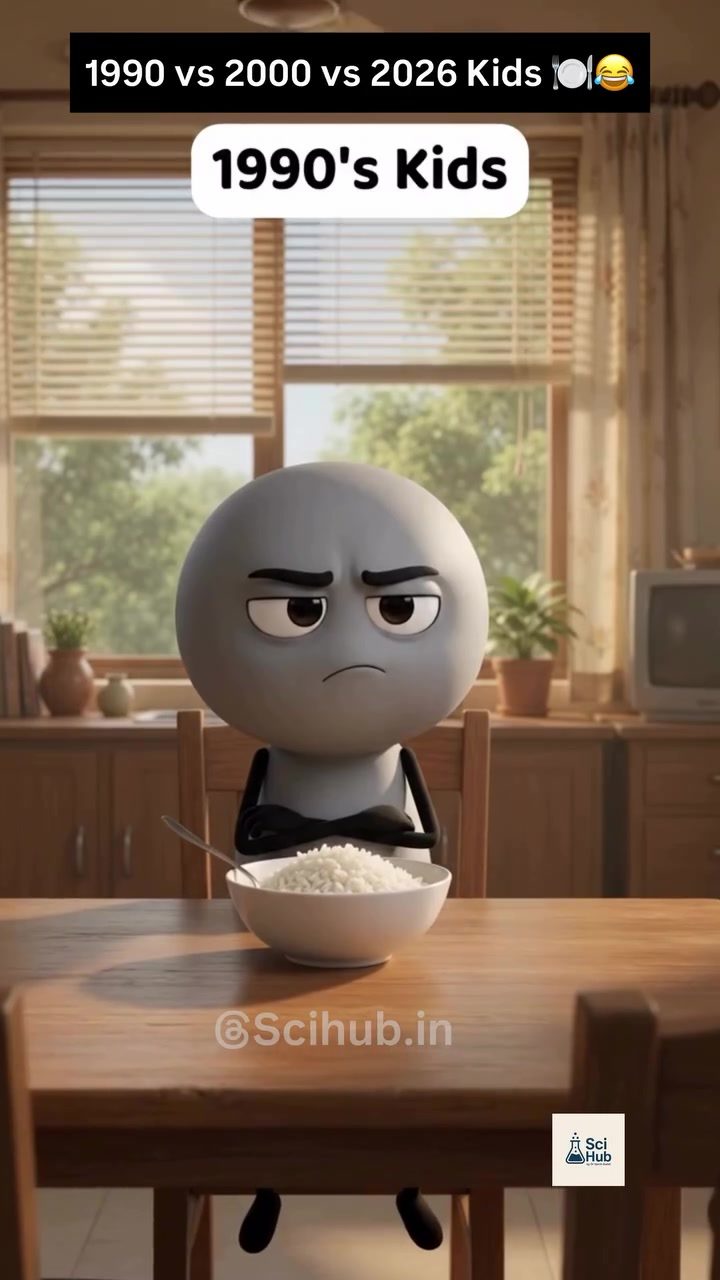
Mealtime can be a revealing window into how cultural, parenting, and societal norms evolve over time. The changes to our everyday habits, such as mealtime, are often subtle, yet they can tell a story about our society. The animated character of Scihub.in humorously highlights just how much kids' eating habits and parenting styles have transformed from the 1990s to the present day, with a playful glimpse into what 2026 might hold.
Context / Why This Matters
Mealtime for kids has always been a benchmark of family life and parenting styles. For parents, it represents more than just nutrition—it's a time to instill discipline, tradition, and values. The shifts in how kids approach mealtime, from the 90s kids slipping on noodles, to modern kids with a belt in the 2000s, and a smartphone in 2026, show how parenting norms and expectations have evolved. Understanding these changes can not only be an entertaining journey through nostalgia but also a glimpse into the future of parenting.
Main Discussion
The 1990s: A Slippery Start
The 90s kids, depicted here as having a negative expression while eating, highlight a significant departure from contemporary parenting. In the early 90s, parenting styles were quite different. Mealtimes were often more relaxed, and the dynamics of the family dinner table were less formal. This period was marked by a shift towards more liberal parenting, where rules were less rigid, and children had more freedom. The animated character’s slippery noodle moment captures the essence of a less structured, playful era.
The 2000s: Bracing for Change
By the 2000's, parenting styles had begun to shift significantly. The image of a kid holding a belt during mealtime reflects a more disciplined and structured approach. This decade saw a rise in helicopter parenting, where parents were more involved in their children's lives and took a more active role in their upbringing. Mealtimes became more about teaching discipline and establishing routines. The belt, a symbol of order and structure, represents the stricter norms and routines that were becoming prevalent.
2026: Digital Influence
The portrayal of a kid with a smartphone during mealtime in 2026 is a striking contrast to the earlier decades. It reflects a future where technology has seamlessly integrated into every aspect of daily life, including mealtimes. The smartphone, a symbol of connectivity and distraction, represents a future parenting style that may be even more digital-centric. How parents navigate technology during mealtime will be a critical challenge and opportunity for the future.
The Impact of Parenting Styles
Each generation of parents faces a unique set of challenges and opportunities. The 90s saw a rise in independence and playfulness, while the 2000s brought stricter routines and discipline. In the future, technology will likely play a more significant role in parenting and mealtimes. These shifts in parenting styles and mealtime habits highlight the evolving nature of family dynamics and societal expectations.
Practical Tips
Navigating the Changes
For parents, understanding these shifts can be crucial in adapting to the unique needs of each generation. Here are some practical tips for navigating these changes:
-
Adapt to New Norms: Recognize that each generation has its unique parenting challenges and opportunities. The 90s kids may thrive in a more playful and relaxed environment, while 2000s kids might benefit from structured routines. Future generations may need guidance on balancing technology with traditional family time.
-
Embrace Technology: For the upcoming generations, integrating technology mindfully into mealtimes can be a valuable approach. Setting boundaries and teaching kids how to use technology responsibly during meals can help them develop healthy habits.
-
Maintain Connection: Regardless of the era, maintaining a strong connection with your kids is essential. Whether it's through playful interactions or structured routines, family mealtimes can build bonds and foster a sense of belonging.
Important Takeaways
- Generational Differences Are Real: The humor in the animation underscores the real differences in parenting styles and mealtime habits across generations. Each era has distinct characteristics that influence how kids approach mealtimes.
- The Future is Digital: The inclusion of a smartphone in the 2026 portrayal highlights the inevitable integration of technology into all aspects of life, including mealtimes. Future parents will need to navigate this digital landscape carefully.
- Parenting Styles Evolve: Understanding these changes can help parents adapt to the unique needs of their kids. Whether it's through playfulness, discipline, or technology, each generation brings new opportunities and challenges.
Conclusion
The animated character of Scihub.in serves as a humorous yet insightful look at how kids' eating habits and parenting styles have evolved from the 90s to the 2026. While the specifics of each era differ, the underlying theme of family and connection remains constant. As we move forward, understanding these changes and adapting to new norms will be crucial for parents and future generations.
Watch the Reel
Questions readers ask
How did mealtimes for kids differ between the 1990s and the 2000s?
In the 1990s, kids' mealtimes were often more relaxed and informal. Meals were usually prepared from scratch, and family dinners were common. By the 2000s, mealtimes became more structured, with an emphasis on set routines and scheduled meal times, reflecting changes in parenting styles and family dynamics.
What are the anticipated mealtime trends for kids in 2026?
By 2026, kids' mealtimes are expected to be highly tech-integrated. This includes everything from smart devices that monitor nutrition to apps that make meal planning and preparation more efficient. Additionally, there is a predicted rise in personalized meal options that cater to individual tastes and dietary needs.
How have parenting styles influenced kids' mealtime habits over the years?
Parenting styles have significantly shaped kids' mealtime habits. In the 1990s, parents often had a more hands-off approach, allowing kids to experiment with foods. In the 2000s, parents became more involved, implementing structured meal times and healthier eating habits. In 2026, the focus is expected to shift towards using technology to guide and monitor kids' eating habits.
What role does technology play in the future of kids' mealtimes?
Technology is anticipated to play a major role in the future of kids' mealtimes. Apps and devices will likely help monitor nutritional intake, assist in meal planning, and even automate some aspects of meal preparation. This integration of technology aims to make mealtimes more efficient and healthier for kids.
Why is it important to understand the generational differences in kids' mealtime habits?
Understanding the generational differences in kids' mealtime habits provides insight into broader societal changes and parenting styles. It helps in recognizing how cultural norms and values have evolved over time, and how these changes impact family dynamics and kids' overall development.
How have societal norms influenced the evolution of kids' mealtime habits?
Societal norms have played a crucial role in shaping kids' mealtime habits. For instance, the 1990s saw a more relaxed approach to mealtimes, reflecting a time when family dinners were common and less structured. By the 2000s, societal shifts towards health and wellness led to more structured and healthier mealtimes. By 2026, societal norms around technology and convenience are expected to further influence how kids approach and experience mealtimes.
Related deep dives
Similar reads based on topic and creator.

Recent articles
Fresh deep dives from the latest Reels we unpacked.




Comments
Be the first to comment.