Alcohol Consumption Trends
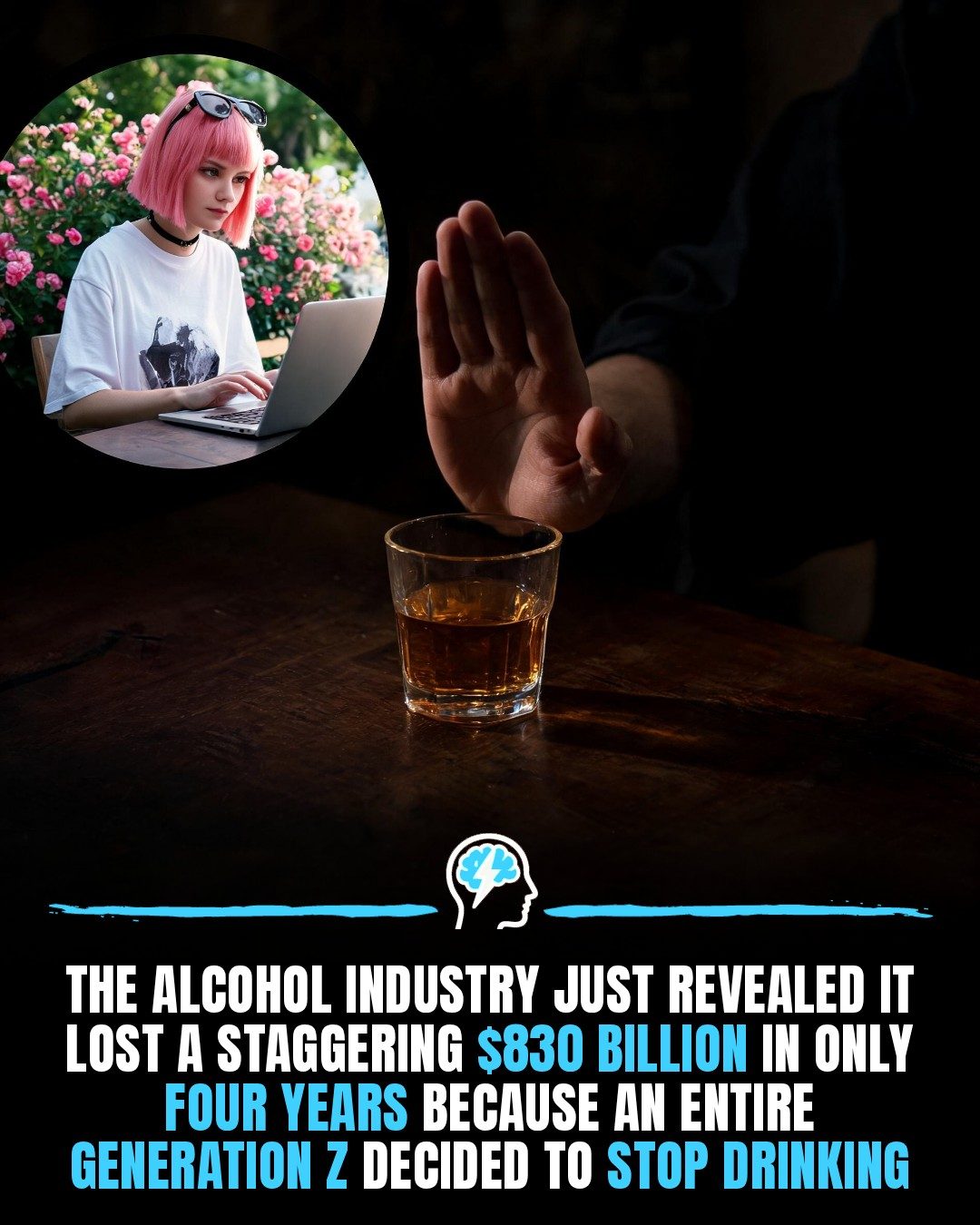
The alcohol industry has recently faced a significant shift, with global spirits and beer companies losing a staggering $830 billion in market value over the past four years. The primary driver behind this substantial financial loss is Generation Z, who are increasingly choosing to abstain from alcohol or significantly reducing their intake. This trend marks a departure from older generations, who often viewed drinking as a norm.
Context
The alcohol industry has long been a cornerstone of social and cultural events, but recent data paints a different picture. The impact of Generation Z's changing attitudes towards alcohol is profound, influencing everything from stock prices to product innovation. Understanding this demographic shift is crucial for brands and investors navigating the beverage market.
Why This Matters
This trend isn't just about numbers; it reflects a broader cultural change. Generation Z's decision to skip or cut back on alcohol is part of a larger movement towards healthier lifestyles, mental clarity, and social control. This shift is significant for the industry, as it forces a reevaluation of traditional marketing strategies and product offerings.
Driving Forces
Several factors are contributing to this trend:
Health and Wellness
Generation Z is more health-conscious than ever. Fitness and long-term health goals are driving many to avoid alcohol. Alcohol is often seen as counterproductive to these health aims, as it can interfere with workout routines and overall wellness.
Mental Clarity and Control
Another significant factor is the desire to stay present and in control. Many in Generation Z view alcohol as a hindrance to maintaining a clear mind and being fully present in social and professional settings. This mindset is particularly prevalent among those pursuing high-stress careers or competitive academic paths.
Functional Beverages
The rise of functional beverages offers non-alcoholic alternatives that provide benefits like hydration, energy, and even nutritional value, without the drawbacks of a hangover. These drinks are becoming increasingly popular among those seeking a healthier lifestyle while still enjoying a refreshing beverage.
Social Influence and Community
Social media and online communities play a significant role in shaping attitudes towards alcohol. Challenges like the "Sober Curious" movement encourage individuals to experiment with periods of abstinence, often leading to long-term changes in behavior. These communities provide support and reinforce the idea that sobriety can be empowering.
Industry Response
The beverage industry is not idle in the face of these changes. Major brands are pivoting to meet the growing demand for non-alcoholic alternatives. This shift is evident in the rising popularity of mocktails, zero-proof spirits, and non-alcoholic beers. These products mimic the experience of traditional cocktails and beers, offering the ritual and social aspects without the alcohol content.
Practical Tips
For those looking to reduce or eliminate alcohol from their lives, here are some practical tips:
Find Alternatives
Explore non-alcoholic drinks that offer a similar sensory and social experience. Zero-proof spirits and non-alcoholic beers provide the taste and ritual of traditional drinks without the alcohol.
Join Communities
Engage with online communities and support groups focused on sobriety or reduced alcohol consumption. These groups can offer motivation, advice, and a sense of belonging.
Set Goals
Establish clear goals for your alcohol reduction or abstinence. Whether it's for a specific period or indefinitely, having a plan can make the transition smoother.
Important Takeaways
The alcohol industry's $830 billion loss signals a significant change in consumer behavior, particularly among Generation Z. This shift is driven by a combination of health consciousness, the desire for mental clarity, the rise of functional beverages, and the influence of social media.
Conclusion
The future of the beverage market appears to be moving towards non-alcoholic options. Whether it's out of a desire for better health, mental clarity, or simply to avoid the drawbacks of alcohol, Generation Z is leading a movement that may redefine what it means to enjoy a drink. For those in the industry, this trend offers both challenges and opportunities. By understanding and adapting to these changes, beverage companies can thrive in a market that increasingly values health, wellness, and social control.
Watch the Reel
Questions readers ask
What are the primary reasons behind Generation Z's shift away from alcohol?
Generation Z is increasingly prioritizing healthier lifestyles and mental clarity, which has led many to abstain from alcohol entirely or reduce their consumption. This shift is also influenced by a growing awareness of the long-term health impacts of alcohol and a desire to avoid the social and cultural expectations associated with drinking.
How has Generation Z's behavior affected the alcohol industry's market value?
The alcohol industry has experienced a significant financial loss due to Generation Z's changed drinking habits. Over the past four years, global spirits and beer companies have lost a staggering $830 billion in market value, driven largely by the decrease in alcohol consumption among this demographic.
What steps is the alcohol industry taking to adapt to Generation Z's preferences?
In response to the shifting attitudes, the alcohol industry is reevaluating traditional marketing strategies. Many companies are now investing in non-alcoholic beverage options and promoting mindsets that align with wellness and self-care, aiming to attract Generation Z consumers who prioritize health and well-being.
Which types of alcohol are most impacted by Generation Z's drinking habits?
The decline in alcohol consumption is affecting both beer, wine and spirits. However, beer and spirits, particularly, face significant challenges as Generation Z consumers increasingly opt for healthier alternatives, contributing to a broader trend of market decline and financial losses for the industry.
How is the alcohol industry's future being shaped by Generation Z's alcohol trends?
The future of the alcohol industry is being reshaped by Generation Z's preference for non-alcoholic beverages and their emphasis on mindfulness. Companies are now focusing on product innovation and marketing strategies that cater to these new consumer preferences, aiming to mitigate financial losses and secure a foothold in the changing market landscape.
What are some specific examples of how Generation Z's behavior has impacted the financial performance of alcohol companies?
The alcohol industry's financial performance has been significantly impacted, with some companies experiencing a substantial decline in stock prices and overall market value. The slide in market value is due to Generation Z's declining consumption of alcohol, leading to the industry losing $830 billion over the past four years, with prominent examples including key players in the beer and spirits sectors.
How are companies within the alcohol industry responding to the generation z alcohol trends?
In response to Generation Z's changing drinking habits, companies are innovating and diversifying their product offerings to include more non-alcoholic beverages. They are also adopting mindful marketing campaigns that resonate with the younger generation's focus on health and well-being. This strategic shift aims to attract younger consumers and offset the financial losses from declining alcohol sales.
Related deep dives
Similar reads based on topic and creator.



Recent articles
Fresh deep dives from the latest Reels we unpacked.




Comments
Be the first to comment.