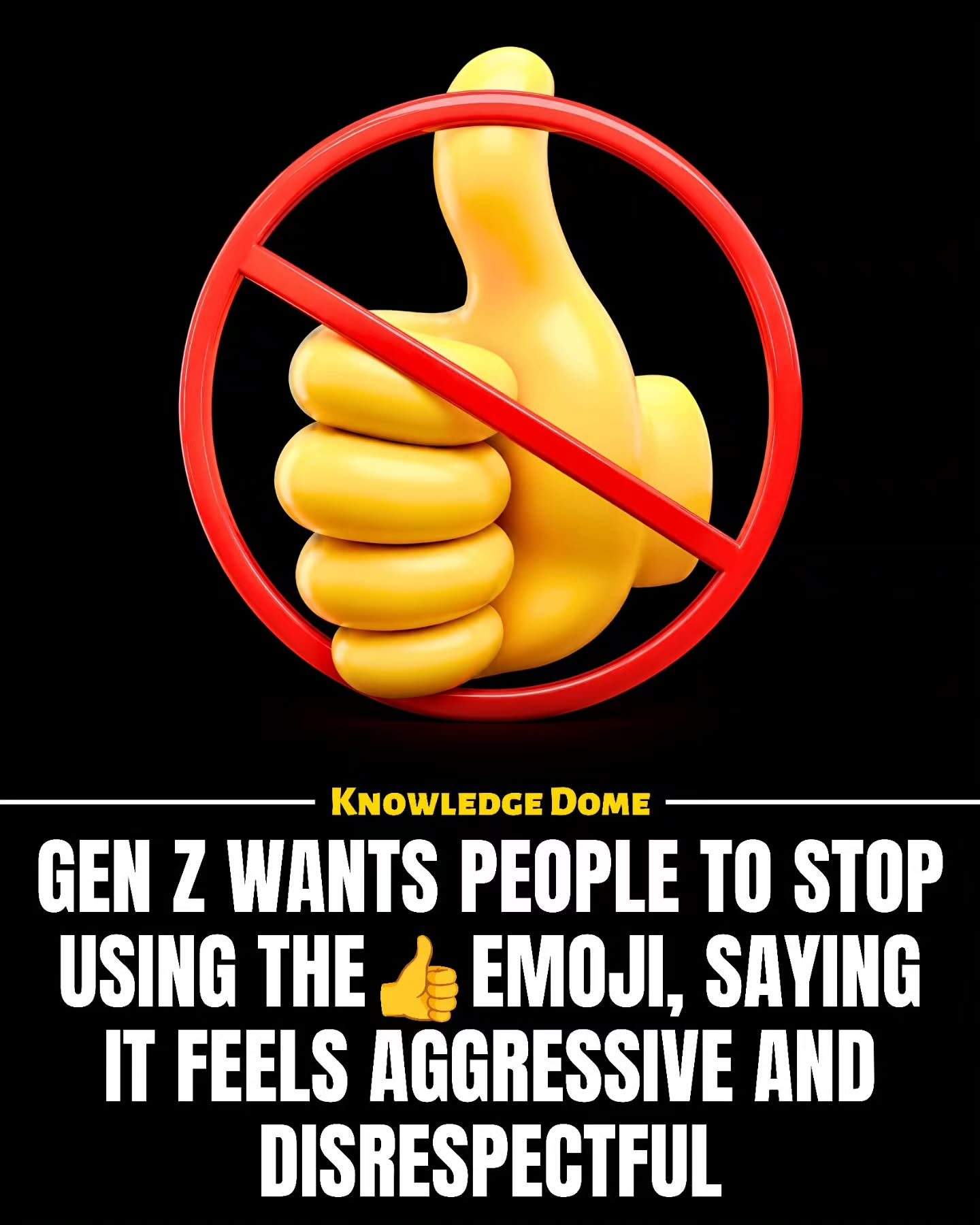
The Evolving Meaning of the Thumbs-Up Emoji
Emoji are the modern shorthand of digital communication. Among the most popular symbols is the thumbs-up emoji. It's intuitive, universally recognized, and often taken for granted. But the thumbs-up emoji's meaning has evolved, especially among younger generations. Understanding this shift can help avoid miscommunication and keep conversations respectful and engaging.
Why This Matters
Digital communication is a cornerstone of modern interaction. Emoji play a crucial role in conveying emotions and nuances that text alone can't capture. However, the meaning of these symbols can vary widely depending on the user's age, cultural background, and personal experiences. The thumbs-up emoji, in particular, illustrates how rapidly these meanings can change.
The shift in the thumbs-up emoji's perception highlights the importance of being mindful in digital communication. What might seem like a friendly affirmation to one person could be interpreted as passive-aggressive or even disrespectful to another. This is especially relevant in a world where miscommunication can escalate quickly.
The Thumbs-Up Emoji: A Generational Divide
The thumbs-up emoji, or 👍, is a staple in digital communication. For many older users, it's a simple, friendly way to say "OK," "thanks," or "got it." It's a quick, easy way to acknowledge a message or show agreement. The thumbs-up has been a part of digital communication for as long as many can remember, and it's often used without a second thought.
But for younger users, especially those in Generation Z, the thumbs-up emoji can carry a very different weight. To them, receiving just a thumbs-up in a message can feel cold, abrupt, or even rude. It might seem like the other person doesn't want to continue the conversation or isn't interested in what they have to say. This perception can lead to feelings of disrespect or dismissal.
The Evolution of Emoji Meaning
Emoji meanings aren't static; they evolve over time and can vary greatly between different age groups. The thumbs-up emoji is a prime example of this evolution. What was once a universally positive symbol is now seen as passive-aggressive or disrespectful by some. This shift highlights how quickly digital language can change and the importance of being aware of these changes.
The Impact of Context
The meaning of an emoji can also depend heavily on the context of the conversation. A thumbs-up in a casual group chat might be perceived differently than one in a one-on-one message. Similarly, the tone of the conversation can influence how an emoji is received. A playful conversation might make a thumbs-up seem more friendly, while a serious one might make it seem more abrupt.
Practical Tips for Navigating Emoji Communication
With the evolving meaning of emoji, it's important to be mindful and adaptable in digital communication. Here are some practical tips to navigate this landscape:
Be Mindful of Your Audience
Before using an emoji, consider who you're communicating with. If you're unsure how they might interpret it, it's better to err on the side of caution and use text or a different emoji. If you're communicating with someone from a different generation, be aware that their interpretation of emoji might differ from yours.
Use Emoji in Context
The context of your conversation can greatly influence how an emoji is received. Be mindful of the tone and content of your conversation, and choose emoji that fit well within it.
When in Doubt, Ask
If you're unsure how someone might interpret an emoji, ask them. This can open up a conversation about emoji meanings and help you both better understand each other's perspectives.
Expand Your Emoji Vocabulary
There are many emoji that can convey the same sentiment as a thumbs-up, such as the heart eyes or smiley faces. Experiment with different emoji to find the ones that best fit your communication style and the messages you want to send.
Important Takeaways
Understanding the evolving meaning of the thumbs-up emoji, and emoji in general, is crucial for effective digital communication. Keeping these points in mind can help you navigate the complex world of emoji and communicate more effectively:
- Emoji meanings can vary greatly between different age groups and cultural backgrounds.
- The context of a conversation can greatly influence how an emoji is received.
- Being mindful and adaptable in your use of emoji can help avoid miscommunication and keep conversations respectful and engaging.
- Don't be afraid to ask someone how they interpret an emoji, or to experiment with different emoji to find the ones that best fit your communication style.
Conclusion
The thumbs-up emoji, like many other emoji, has evolved over time. Its meaning can vary greatly depending on who's using it, who's receiving it, and the context of the conversation. Understanding this evolution is a crucial part of effective digital communication. By being mindful and adaptable in our use of emoji, we can avoid miscommunication and keep our conversations respectful and engaging. This understanding is key to navigating the fast-changing landscape of digital language and maintaining strong, respectful communication with others.
Watch the Reel
Questions readers ask
Why do some Gen Z users find the thumbs-up emoji disrespectful?
Some Gen Z users perceive the thumbs-up emoji as disrespectful or dismissive due to its potential to seem passive or insincere. In some contexts, it can be seen as a brush-off or a lack of enthusiasm, especially when used in response to personal or serious conversations. This shift in perception underscores the importance of understanding generational differences in digital communication.
How has the meaning of the thumbs-up emoji changed over time?
The thumbs-up emoji, once widely accepted as a sign of approval or agreement, has evolved in meaning, particularly among younger generations. Its interpretation can now range from affirmative to dismissive, reflecting the dynamic nature of digital communication and the influence of cultural and generational factors.
What are some alternatives to the thumbs-up emoji for Gen Z users?
For Gen Z users, alternatives to the thumbs-up emoji can include more nuanced and expressive options. Emojis like the heart eyes or smiling face can convey enthusiasm and agreement more warmly, while a simple 'ok' or 'thank you' text can show genuine appreciation. Matching the tone of the conversation with the right emoji can help maintain respect and engagement.
How does cultural background influence the interpretation of emojis like the thumbs-up?
Cultural background plays a significant role in how emojis are interpreted. The thumbs-up emoji, for instance, is perceived differently across various cultures. In some, it is seen as aggressive or rude. Understanding these cultural nuances is essential for effective digital communication, especially in diverse or global contexts.
Why is it important to be mindful of emoji usage in digital communication?
Emoji usage can vary widely based on age, culture, and personal experiences. Being mindful ensures that your message is conveyed accurately and respectfully. Misinterpretations can lead to miscommunication or offense, so it's crucial to consider the context and the recipient's background when using emojis.
What other emojis might Gen Z users find offensive or disrespectful?
Beyond the thumbs-up, Gen Z users might find other emojis offensive or disrespectful, depending on the context. For instance, the fire emoji can be seen as passive-aggressive in certain situations, and the skull emoji might be perceived as overly dramatic or inappropriate. Always consider the specific situation and the recipient's potential interpretation.
Related deep dives
Similar reads based on topic and creator.



Recent articles
Fresh deep dives from the latest Reels we unpacked.




Comments
Be the first to comment.