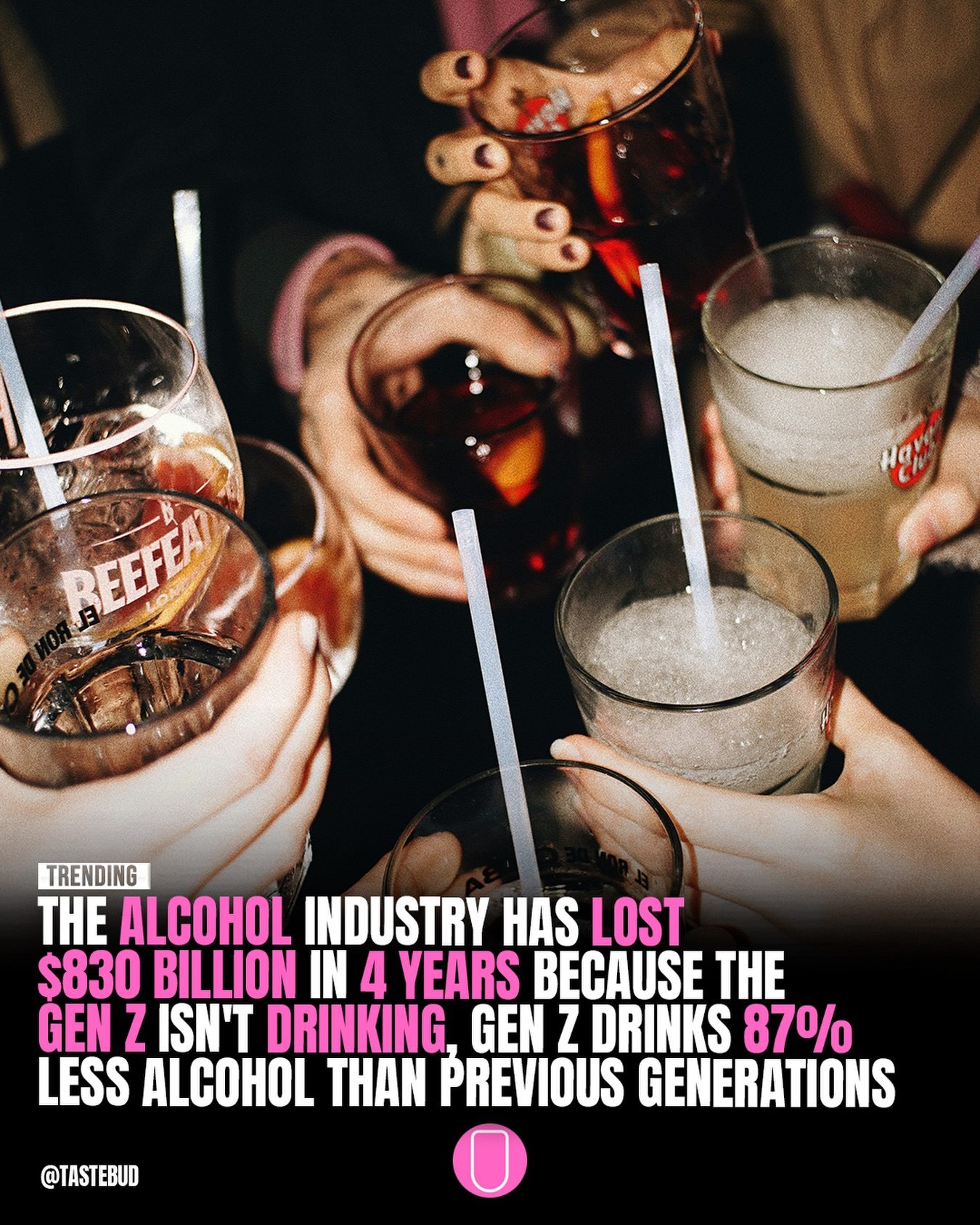
Alcohol Consumption Trends
Drinking alcohol has long been associated with social life and coming-of-age experiences. Nights out, parties, and pub culture were once integral parts of young adulthood in many countries. However, this social norm is evolving. Gen Z is drinking significantly less alcohol than previous generations, opting for moderation, low-alcohol options, or abstaining altogether.
Why This Matters
The shift in alcohol consumption among Gen Z is significant for several reasons. Gen Z drinks considerably less alcohol than previous generations. More specifically, they drink 87% less alcohol and the alcohol industry has lost $30 billion over the past four years due to declining alcohol consumption. This trend is worrying the alcohol industry, as it makes long-term demand less predictable.
Main Discussion
The Changing Landscape
The trend of declining alcohol consumption among Gen Z is unprecedented. Historically, drinking was seen as a rite of passage. However, many in Gen Z are choosing to prioritize other aspects of their lives over alcohol. This includes fitness, mental health, travel, and experiences. The reasons for this shift are varied, but some common themes emerge.
Health and Wellness
One of the primary reasons for the decline in alcohol consumption is the increasing focus on health and wellness. Many in Gen Z are more health-conscious than previous generations. They are aware of the negative impacts of excessive alcohol consumption on both physical and mental health. As a result, they are opting for healthier lifestyles, which often involve moderating or eliminating alcohol.
Social and Economic Factors
Another significant factor is the shifting social and economic landscape. With the rise of social media and digital communication, the traditional social spaces around alcohol have diminished. Young adults now have many other ways to connect and socialize without alcohol. Economically, the cost of living has also influenced this trend. Prioritizing savings, travel, and experiences over alcohol has become a more appealing choice for many young people.
The Impact on the Alcohol Industry
Financial Implications
The alcohol industry is feeling the effects of this shift. With declining consumption, the industry has seen a significant financial loss. The impact can be seen in the loss of $30 billion over a four-year span. This is a sizable amount that indicates a significant change in consumer behavior. Companies in the industry are now re-evaluating their strategies to adapt to this new reality.
Market Adaptation
In response to this trend, some companies are starting to pivot. They are investing in low-alcohol or non-alcoholic beverages. This adaptation is crucial for maintaining market relevance and meeting consumer demands. The industry is also exploring new marketing strategies to engage with younger audiences without relying on traditional alcohol-centric approaches. Examples of this include promoting responsible drinking, highlighting flavor profiles, and even entering the wellness market. It’s a double-edged sword that requires expertise to balance.
The Rise of Moderation and Low-Alcohol Options
The trend towards moderation and low-alcohol beverages is a notable development. Many in Gen Z are opting for low-alcohol or non-alcoholic beverages. This shift is driven by a desire to enjoy social events without the negative effects of excessive drinking. Low-alcohol beverages offer a middle ground, allowing individuals to socialize and enjoy themselves while maintaining control over their health and well-being.
Practical Tips
If you're looking to reduce your alcohol intake, there are several practical steps you can take:
Set Clear Goals
Setting clear goals for yourself is a good starting point. Decide how much you want to reduce your alcohol consumption and set specific, measurable goals. For example, you might aim to have no more than one or two drinks per week.
Find Alternatives
Look for alternatives to alcohol. This could be anything from non-alcoholic beverages to other social activities. Try a variety of non-alcoholic drinks, and create a habit of enjoying these instead of reaching for alcohol.
Stay Hydrated
Staying hydrated is crucial when reducing alcohol consumption. It can help you feel more energetic and alert, and it can also curb cravings for alcohol.
Seek Support
If you find it challenging to reduce your alcohol intake, don’t hesitate to seek support. This could be from friends, family, or a professional. There are also many support groups and resources available to help you achieve your goals.
Make Health a Priority
Focusing on your overall health can be a powerful motivator. Whether it's fitness, mental health, or wellness, prioritizing your health can give you the energy and motivation to make positive changes in your life, including reducing alcohol consumption.
Explore New Experiences
Gen Z is known for prioritizing experiences over material possessions. This trend can be applied to reducing alcohol consumption. Instead of spending on alcohol, consider investing in experiences like travel, hobbies, or social activities. These experiences can be more fulfilling and help you build lasting memories.
Important Takeaways
The Shift is Real
The trend of declining alcohol consumption among Gen Z is real and significant. It reflects a broader shift in attitudes towards alcohol and wellness. This shift has financial implications for the alcohol industry and is leading to new market adaptations.
Health and Wellness
Health and wellness are becoming more important to Gen Z. Many are opting for moderation, low-alcohol options, or avoiding alcohol altogether. This trend is driven by a desire to prioritize health and well-being.
Adaptability
The alcohol industry is adapting to this new reality. Companies are investing in low-alcohol or non-alcoholic beverages and exploring new marketing strategies. This adaptability is crucial for maintaining market relevance and meeting consumer demands.
Personal Choices
Drinking alcohol is increasingly becoming a choice rather than a societal norm. This reflects a broader shift in attitudes towards alcohol and social life. Individuals are making more conscious choices about their health, well-being, and experiences.
Conclusion
The landscape of alcohol consumption is changing. Gen Z is drinking less and prioritizing health and wellness. This shift is significant for the alcohol industry and society. It reflects a broader trend towards health and wellness, as well as a desire for more conscious and fulfilling experiences. As the trend continues, it will be interesting to see how the industry adapts and how consumer preferences evolve.
Watch the Reel
Questions readers ask
How much less alcohol does Gen Z consume compared to previous generations?
Gen Z drinks 87% less alcohol than previous generations. This significant decrease is contributing to a shift in the alcohol industry's trends and profitability.
What are some reasons behind Gen Z's lower alcohol consumption?
Gen Z is prioritizing wellness and other life experiences over traditional drinking cultures. They are opting for moderation, low-alcohol options, or abstaining from alcohol altogether. This shift reflects a change in their preferences and values compared to previous generations.
How has the alcohol industry been affected by Gen Z's drinking habits?
The alcohol industry has lost $30 billion over the past four years due to declining alcohol consumption among Gen Z. This trend is causing concern for the industry, as it impacts long-term demand and profitability.
What are some of the changes in drinking culture that Gen Z is bringing about?
Gen Z is challenging traditional drinking cultures by drinking significantly less and opting for different types of social experiences. This shift is prompting the alcohol industry to adapt and innovate in response to changing consumer preferences.
What are some of the alternatives to traditional alcohol that Gen Z is opting for?
Instead of traditional alcohol, Gen Z is opting for moderation, low-alcohol options, or abstaining altogether. This trend reflects a shift in their preferences and values, and is prompting the alcohol industry to adapt and innovate.
How do Gen Z drinking preferences compare to previous generations?
Gen Z is drinking significantly less alcohol than previous generations, and this shift has caused the alcohol industry to lose billions. The industry is taking note of these changes and adapting their strategies to cater to the new preferences and values of this generation.
What are some of the key trends in the alcohol industry due to Gen Z's drinking habits?
Key trends in the alcohol industry include a shift towards moderation, low-alcohol options, and non-alcoholic beverages. The industry is adapting by introducing new products and marketing strategies that align with the changing preferences and values of Gen Z.
Related deep dives
Similar reads based on topic and creator.




Recent articles
Fresh deep dives from the latest Reels we unpacked.




Comments
Be the first to comment.