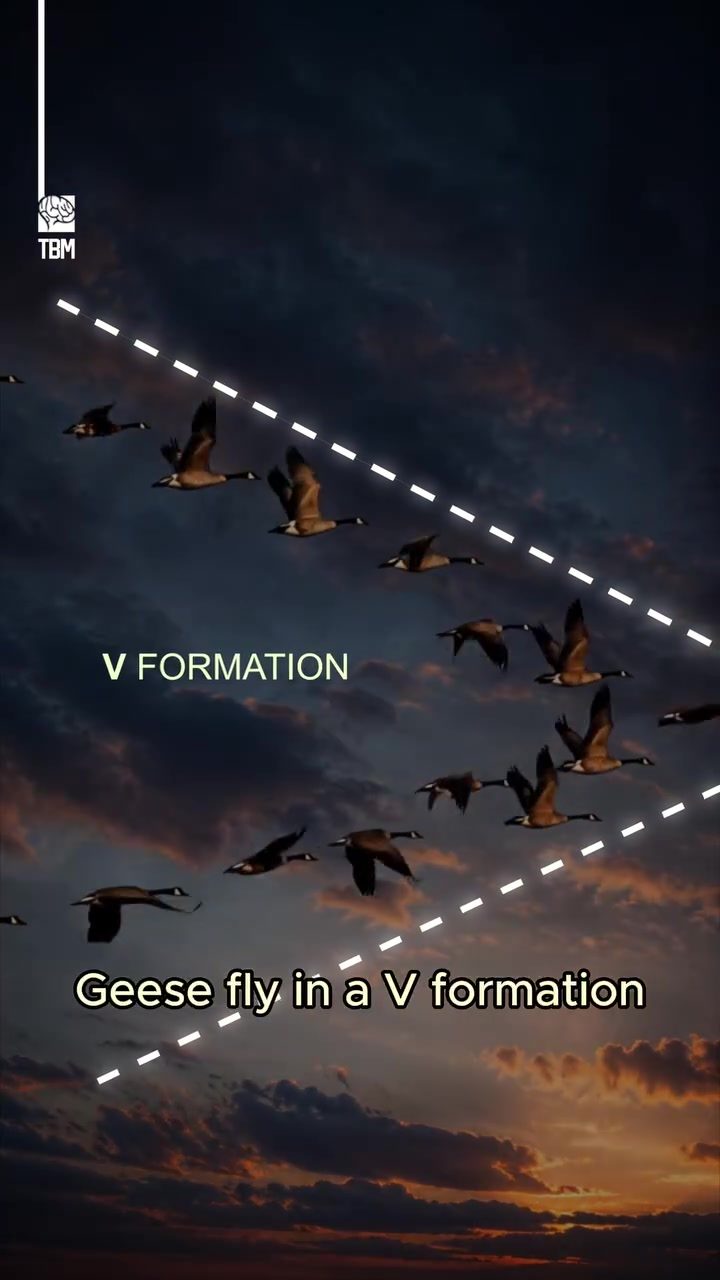
Geese Flying in V Formation
Geese flying in a V formation is a striking behavior observed during their long migrations. This aerodynamic approach is not random but a strategic adaptation that allows geese to travel farther while conserving energy.
Why this matters
Understanding the mechanics behind the V formation provides insights into efficient flight and teamwork in nature. This behavior serves as a model for optimizing energy use and maintaining cohesion within a group, which can inspire similar strategies in various fields, from aeronautics to team management.
The Science Behind the V Formation
Aerodynamic Efficiency
Geese flying in a V formation take advantage of the upward air currents, or updrafts, created by the wings of the bird in front. This phenomenon is known as upwash. By positioning themselves in the upwash, the following geese reduce the amount of energy needed to stay aloft. This aerodynamic trick can lower energy usage by as much as 20%, making the journey more efficient for the entire flock. The lead goose, however, works the hardest, bearing the brunt of the wind resistance.
Rotating Leadership
To share the workload, geese regularly rotate their positions within the formation. The bird at the front, which encounters the most resistance, eventually moves to the back of the formation, while another goose takes its place. This rotation ensures that no single goose is excessively burdened, promoting fairness and sustainability within the group. Moreover, this practice highlights the importance of teamwork and mutual support in achieving a common goal.
The Benefits of Flying in Formation
Enhanced Communication
Flying in a V formation also facilitates better communication among the geese. The proximity and clear line of sight allow the birds to maintain visual contact and communicate more effectively. This is crucial for staying together and coordinating movements, especially during long migrations where staying in a cohesive group is vital for safety and navigation.
Synchronization and Cohesion
The V formation helps the flock stay together, which is essential for navigating long distances and avoiding potential hazards. By maintaining a consistent formation, geese can more easily track one another's movements, ensuring that no bird is left behind. This synchronization not only optimizes energy use but also enhances the overall efficiency of the migration process.
Practical Tips for Observers
Identifying the Formation
When observing a flock of geese, look for the characteristic V shape. Notice how the birds maintain a consistent distance from one another and how they periodically switch positions. Pay attention to the lead goose, which often appears to be swimming against the wind as it battles the most resistance.
Understanding the Leadership Role
Observe how the lead goose's position changes over time. This rotation is a key aspect of the geese's cooperative strategy, ensuring that the workload is distributed evenly. Look for subtle signals that indicate when a new goose takes the lead, such as slight changes in flight patterns or vocalizations.
Important Takeaways
- Energy Efficiency: The V formation allows geese to conserve energy by utilizing the aerodynamic benefits of flying in a specific pattern.
- Leadership and Teamwork: Regularly rotating the lead position ensures that no single goose is overburdened, promoting fairness and sustainability.
- Communication and Cohesion: The formation enhances communication and helps the flock stay together, which is crucial for long migrations.
Conclusion
The V formation is a testament to nature's ingenuity in optimizing energy use and promoting teamwork. By understanding the science behind this behavior, we gain valuable insights into efficient flight and cooperative strategies that can be applied in various fields. Whether you're an avid birdwatcher or simply fascinated by the wonders of nature, observing geese in a V formation offers a unique opportunity to appreciate the beauty and efficiency of their migratory journeys.
Watch the Reel
Questions readers ask
What are the primary aerodynamic advantages of geese flying in a V formation?
The primary benefits include reduced wind resistance and the ability to harness updrafts generated by the wings of the lead goose. This allows geese following in the formation to expend less energy, making long-distance migrations more feasible.
How do geese conserve energy during flight in a V formation?
Geese conserve energy by taking advantage of the reduced drag and lift generated by the birds in front of them. This allows them to travel farther with less effort, making their long migrations more sustainable.
Why do geese rotate leadership positions during their V formation flight?
Geese rotate leadership positions to distribute the energy expenditure more evenly among the group. This rotation also helps maintain group cohesion and ensures that no single goose becomes exhausted, enhancing the overall efficiency of the flock.
Can other bird species benefit from flying in a V formation?
Yes, other bird species, such as cranes and pelicans, also use V formations to maximize flight efficiency. This formation helps them conserve energy during long migrations and reduces the overall stress on individual birds.
How does the V formation help geese maintain teamwork during flight?
The V formation promotes teamwork by requiring geese to coordinate their movements and maintain a specific flight path. This coordination helps ensure that the group stays together and that each bird benefits from the aerodynamic advantages of the formation.
What can humans learn from the geese's V formation flying strategy?
Humans can learn from geese about efficient resource use, cooperation, and maintaining cohesion within a group. The principles of the V formation, such as rotation of leadership and the use of energy-saving tactics, can be implemented in various fields, from engineering to team management.
What happens when a goose leaves the V formation during flight?
If a goose leaves the V formation, it must expend more energy to maintain its flight due to the lack of aerodynamic benefits. The goose may eventually rejoin the formation to take advantage of the energy-saving advantages or fall back to conserve energy.
Related deep dives
Similar reads based on topic and creator.




Recent articles
Fresh deep dives from the latest Reels we unpacked.




Comments
Be the first to comment.