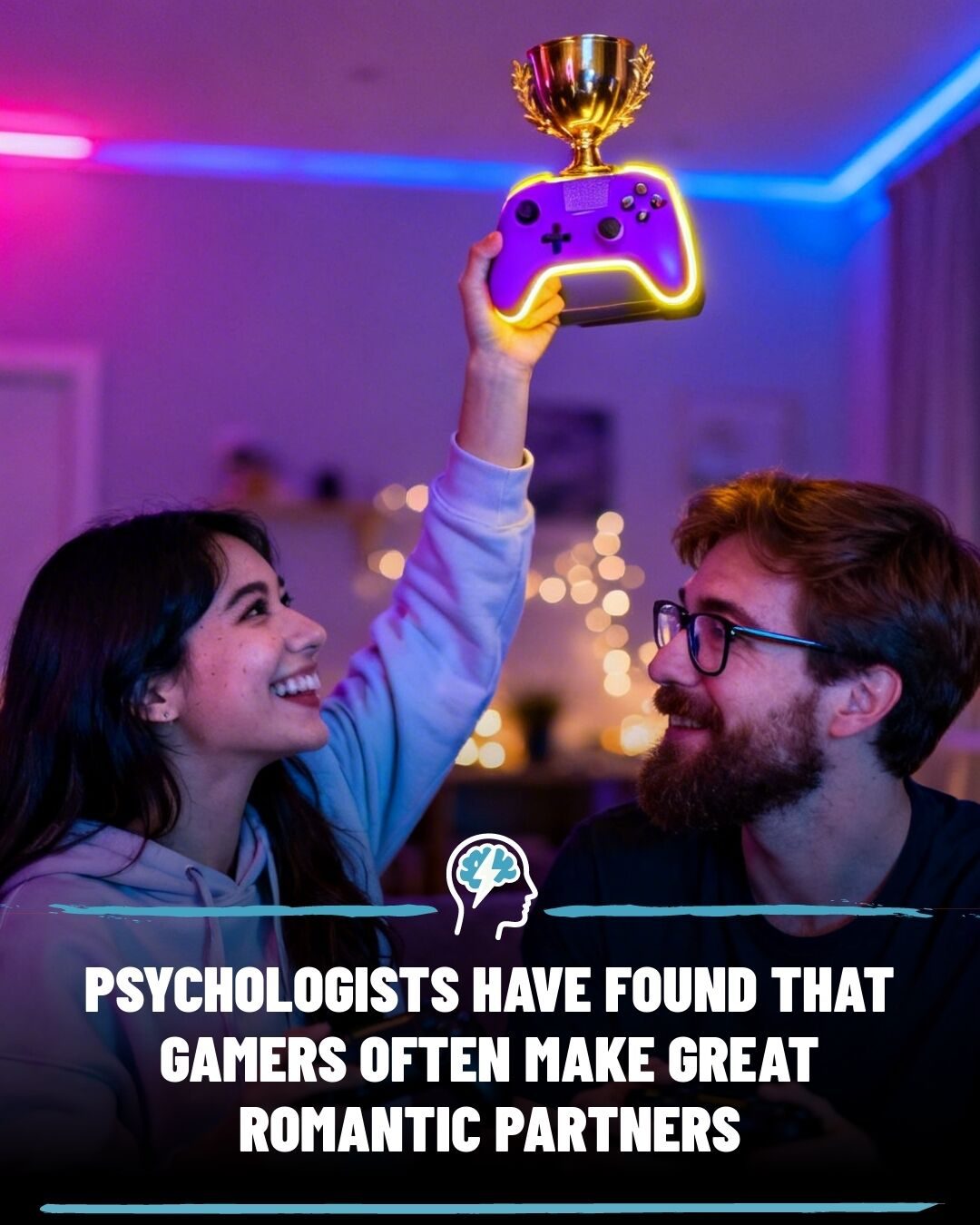
Gaming and Romance
Gaming together can be a surprisingly effective way to strengthen a romantic relationship. Research suggests that couples who play video games together often develop stronger communication skills, intimacy, and feelings of social support. This phenomenon is typically tied to the cooperative nature of many games and the shared experiences they provide.
Why This Matters
Understanding the dynamics of gaming in relationships can help couples find new ways to connect and enhance their bond. It's not just about having fun; it's about fostering prosocial skills and improving overall well-being. However, it's important to approach gaming as a couple with a balanced perspective.
Main Discussion
The Impact of Cooperative Gameplay
Cooperative gameplay, where partners work together towards a common goal, can significantly improve communication. Studies have shown that during cooperative gameplay, partners exchange more positive social messages than negative ones. This positive interaction can translate into better communication in real-world situations, leading to a more harmonious relationship.
Games that emphasize teamwork, like puzzle-solving or strategy games, can foster prosocial behaviors. These behaviors, such as helping and supporting each other, can become habits that carry over into daily life. The shared experience of overcoming challenges together can create a stronger emotional bond.
The Role of Enjoyment and Autonomy
Playing video games together can also improve overall well-being by providing a sense of enjoyment and autonomy. When both partners feel a genuine connection during play, it can enhance their sense of togetherness and mutual support. This emotional connection can lead to improved self-esteem and a deeper sense of satisfaction in the relationship.
The Importance of Mutual Participation
The benefits of gaming together are most apparent when both partners are actively involved. Relationships where one partner games excessively while the other doesn't participate tend to show negative outcomes, including partner neglect and relationship conflict. It's crucial for both partners to be engaged and mutually supportive during gaming sessions.
Considerations for Different Game Types
Different types of games can have varying effects on relationships. While cooperative games might foster intimacy, competitive games can sometimes create tension. It's essential to choose games that both partners enjoy and that align with their shared goals for the relationship. Some games, like role-playing games (RPGs) or adventure games, might offer deeper emotional engagement and role-playing, potentially enhancing emotional intimacy.
Practical Tips
Choosing the Right Games
Select games that both partners enjoy and that encourage teamwork and cooperation. Avoid overly competitive games that might create tension. Ensure the games are challenging enough to keep both partners engaged but not so difficult that they cause frustration.
Setting Boundaries
Establish clear boundaries around gaming. Ensure that gaming doesn't interfere with other important aspects of the relationship, such as quality time together or individual hobbies. Balance is key to maintaining a healthy relationship.
Regular Check-Ins
Regularly discuss how gaming is affecting the relationship. Both partners should be open about their feelings and any concerns they might have. This ongoing communication can help address any issues before they become significant problems.
Exploring Different Gaming Experiences
Try out different types of games to see what suits both partners. Some games, like digital board games or puzzle games, can be more relaxing and less time-consuming, making them ideal for quick bonding sessions. Others, like immersive RPGs, can offer a deeper, more emotionally engaging experience.
Important Takeaways
Benefits of Gaming Together
Gaming together can be a meaningful bonding activity for couples, fostering communication skills, intimacy, and social support. It can also improve overall well-being by providing enjoyment, autonomy, and genuine connection.
The Critical Factor of Balance
Mutual participation is key. When both partners game regularly together, the benefits are most apparent. However, relationships where one partner games excessively while the other doesn't participate tend to show negative outcomes.
Realistic Expectations
While gaming can be a tool for connection, it's not a replacement for direct communication. It's one of many potential ways couples can connect and should be approached with a balanced perspective.
Conclusion
Gaming together can be a rewarding experience for couples, offering a unique way to strengthen communication and emotional bonds. When approached with mutual participation and balanced with other aspects of the relationship, it can be a valuable tool for fostering intimacy and support. However, it's crucial to remember that gaming is just one aspect of a healthy relationship and should be enjoyed in moderation.
Watch the Reel
Related deep dives
Similar reads based on topic and creator.



Recent articles
Fresh deep dives from the latest Reels we unpacked.




Comments
Be the first to comment.