Aging and Lifespan
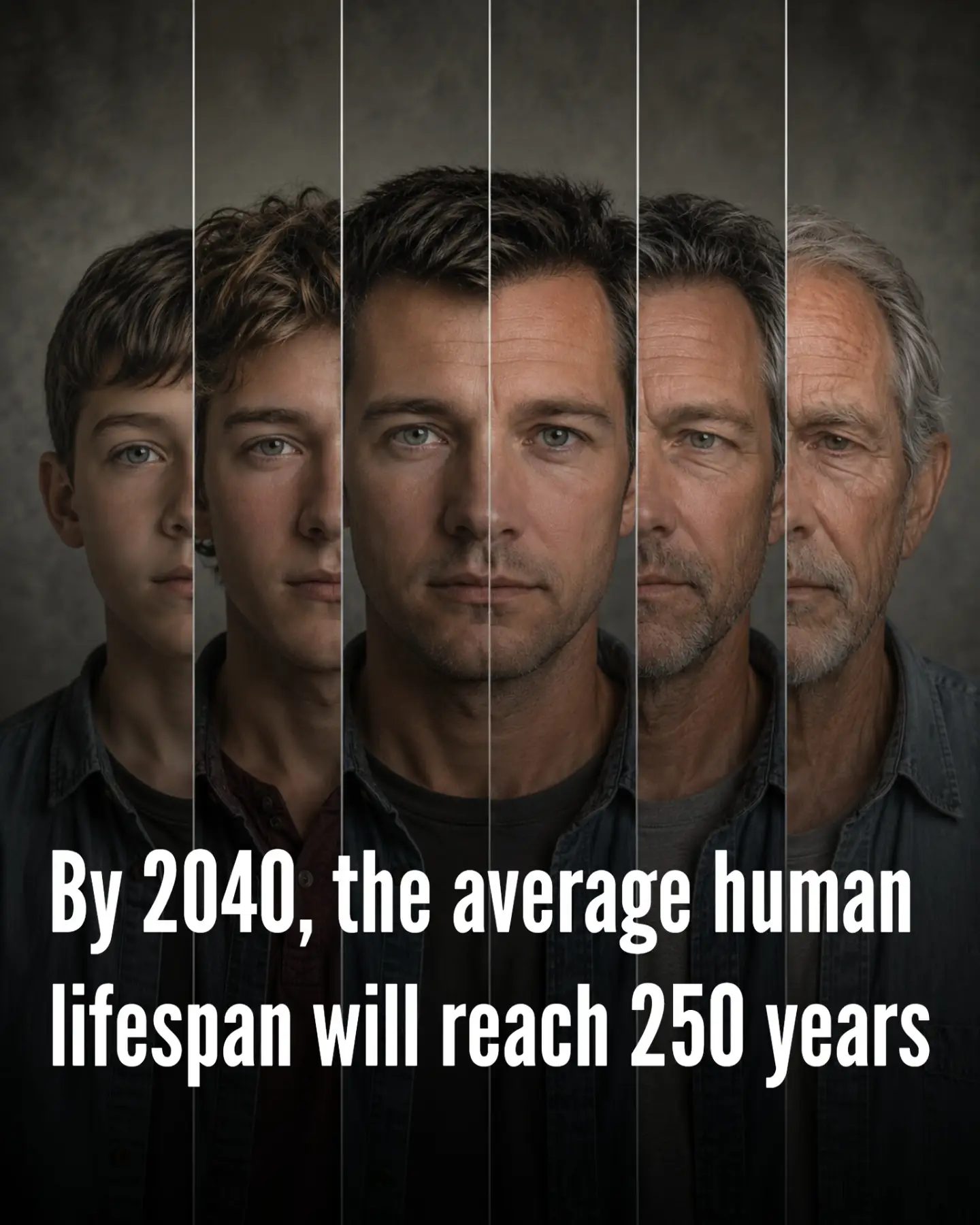
The idea of humans living to 250 years by 2040 may sound like science fiction, but certain researchers in this field believe that within a couple of decades, advancements in biotechnology, artificial intelligence (AI), and regenerative medicine could make this a reality.
Why This Matters
The prospect of extending human lifespan has profound implications for society. It challenges our understanding of aging, health, and even our social structure. If the average human lifespan increases, it could change how we plan for retirement, healthcare, and work. Understanding the factors that drive aging can help us prepare for a future where people live longer, healthier lives.
The Current Landscape of Longevity Research
Aging: A Modifiable Process
At its core, the idea of extending lifespan is grounded in the belief that aging is not an inevitable decline but a modifiable process. Researchers like David Sinclair have argued that aging is driven by information loss at the cellular level, particularly epigenetic drift. Epigenetic drift refers to changes in gene expression that occur over time, leading to aging. Restoring this information—theoretically—could slow or even reverse aspects of biological aging.
AI and Biomedical Discovery
Advancements in AI are expected to dramatically accelerate biomedical discovery. Traditional methods of biomedical research often rely on slow, trial-and-error processes. However, AI systems can model proteins, simulate drug interactions, and identify anti-aging compounds at a scale and speed previously unimaginable. This could make the process of developing new therapies and treatments much faster and more efficient, potentially leading to significant breakthroughs in longevity.
The Role of Regenerative Medicine
Regenerative medicine, which includes cellular reprogramming, gene therapies, and other cutting-edge technologies, holds great promise in extending human lifespan. These techniques aim to repair and regenerate damaged tissues and organs, effectively slowing or even reversing the aging process.
The Concept of Longevity Escape Velocity
Futurists like Ray Kurzweil have proposed the concept of "longevity escape velocity." This scenario envisions a point at which life expectancy increases faster than the passage of time, making aging a treatable condition rather than an inevitable decline. In this future, ongoing advancements in medicine and technology could lead to a continuous extension of human lifespan, potentially leading to indefinite lifespans.
The Role of Cellular Reprogramming
Cellular reprogramming is a key area of research in regenerative medicine. It involves transforming specialized cells, like skin cells, into a more primitive, stem-cell-like state. These reprogrammed cells can then be coaxed into different types of cells, such as nerve cells, heart cells, or liver cells, which can be used to repair or replace damaged tissues. This technology could extend human lifespan by addressing age-related degenerative diseases and repairing age-related tissue damage.
AI-Driven Drug Discovery Platforms
AI-driven drug discovery platforms are at the forefront of revolutionizing how new drugs are developed. These platforms can analyze vast amounts of data to identify potential drugs that interact with specific biological targets. This could lead to faster and more effective treatments for age-related diseases, ultimately contributing to the goal of extending human lifespan.
Senolytics and Gene Therapies
Senolytics are compounds that selectively kill senescent cells, which are cells that have stopped dividing and accumulate in the body with age. These cells contribute to age-related diseases and overall decline. Gene therapies, on the other hand, involve modifying or repairing faulty genes to treat diseases or improve overall health. Both of these technologies hold potential in extending lifespan by addressing the root causes of aging.
Current Research & Applications
While the idea of reaching an average lifespan of 250 years by 2040 is still highly speculative, there are already promising developments in the field. Researchers are actively working on various fronts, including gene editing, cellular reprogramming, and AI-driven drug discovery. These advancements, while not yet achieving the 250-year lifespan, are making significant strides in extending healthspan and improving the quality of life for older adults.
Practical Advances in Regenerative Medicine
One of the most promising areas of regenerative medicine is the use of stem cells. Stem cells have the ability to differentiate into various cell types, making them valuable for repairing damaged tissues and organs. Advances in stem cell research have led to the development of therapies for a range of diseases, including Parkinson's, heart disease, and spinal cord injuries.
AI in Biomedical Research
AI is already making waves in biomedical research. Machine learning algorithms can analyze vast datasets to identify patterns and insights that would be impossible for humans to detect. This has led to the development of new drugs, improved diagnostic tools, and more personalized treatment plans. As AI technology continues to advance, its potential to revolutionize biomedical research and extend human lifespan becomes even more apparent.
Current and Future Applications
Currently, these technologies are being used to treat specific diseases and conditions. For example, gene therapies are being developed to cure genetic disorders, and cellular reprogramming is being used to treat age-related degenerative diseases. As these technologies mature, they could be applied more broadly, ultimately leading to the extension of human lifespan.
Practical Tips for Living Longer
For those interested in taking practical steps to extend their lifespan, there are several key areas to focus on:
Healthy Lifestyle Choices
Adopting a healthy lifestyle is one of the most effective ways to extend lifespan. This includes maintaining a balanced diet, engaging in regular physical activity, and getting adequate sleep. These habits can help reduce the risk of age-related diseases and promote overall health.
Regular Medical Check-Ups
Regular medical check-ups are essential for early detection and treatment of age-related diseases. By staying on top of your health, you can address any issues promptly and take steps to prevent them from progressing.
Mental Health and Stress Management
Mental health is just as important as physical health. Techniques such as mindfulness, meditation, and stress management can help reduce the impact of stress on the body, which is a known contributor to aging. Engaging in activities that promote mental well-being can also help maintain cognitive function and overall health.
Cutting-Edge Longevity Treatments
While still in the early stages, longevity treatments such as gene therapies, cellular reprogramming, and senolytics hold great promise. Engaging with cutting-edge medical research and staying up-to-date with the latest advancements can provide access to potential longevity-enhancing therapies.
Important Takeaways
The idea of extending human lifespan to 250 years by 2040 is grounded in the convergence of biotechnology, artificial intelligence, and regenerative medicine. By targeting the underlying mechanisms of aging, rather than treating individual age-related diseases, researchers and futurists hope to significantly extend human lifespan and improve overall health.
Conclusion
The future of human lifespan is an exciting and rapidly evolving field. While reaching an average lifespan of 250 years by 2040 is still highly speculative, the advancements in biotechnology, artificial intelligence, and regenerative medicine are making significant strides towards this goal. As researchers continue to unravel the mysteries of aging, the possibility of a longer, healthier life becomes increasingly realistic—a future where aging is not a fixed biological limit but a modifiable process.
Watch the Reel
Questions readers ask
What are some key areas of research that could help humans live to 250 years?
Researchers are focusing on several areas such as biotechnology, artificial intelligence (AI), and regenerative medicine. These fields are exploring ways to understand and modify the aging process, which could lead to significant extensions in human lifespan.
How might advancements in AI contribute to extending human life?
AI can analyze vast amounts of data to identify patterns and insights related to aging. This could help in developing targeted therapies and interventions that slow down the aging process and potentially extend human lifespan.
What does the future of aging research look like in the next two decades?
In the next 20 years, we can expect to see significant breakthroughs in understanding biological aging mechanisms. Researchers are working towards developing treatments that not only extend lifespan but also improve overall health and well-being throughout life.
What are some of the potential social impacts of extending human lifespan to 250 years?
If humans live significantly longer lives, it could have profound effects on society. This includes changes in retirement planning, healthcare systems, and workforce dynamics. It could also challenge our current understanding of aging and health.
How does regenerative medicine play a role in extending human lifespan?
Regenerative medicine focuses on repairing and replacing damaged tissues and organs. By advancing in this field, scientists aim to reverse age-related deterioration, thereby contributing to longer, healthier lives.
What are some of the most promising longevity breakthroughs currently being explored?
Promising breakthroughs include the use of senolytic therapies to eliminate senescent cells, which accumulate with age and contribute to age-related diseases. Additionally, research into stem cell therapies and gene editing technologies like CRISPR are showing potential in extending human lifespan.
What are some of the main challenges in achieving a 250-year human lifespan by 2040?
Some of the main challenges include overcoming the complexities of aging and age-related diseases, as well as developing advanced technologies that can effectively address these issues. Additionally, ethical, social, and economic considerations must be taken into account when extending human lifespan.
Related deep dives
Similar reads based on topic and creator.



Recent articles
Fresh deep dives from the latest Reels we unpacked.




Comments
Be the first to comment.