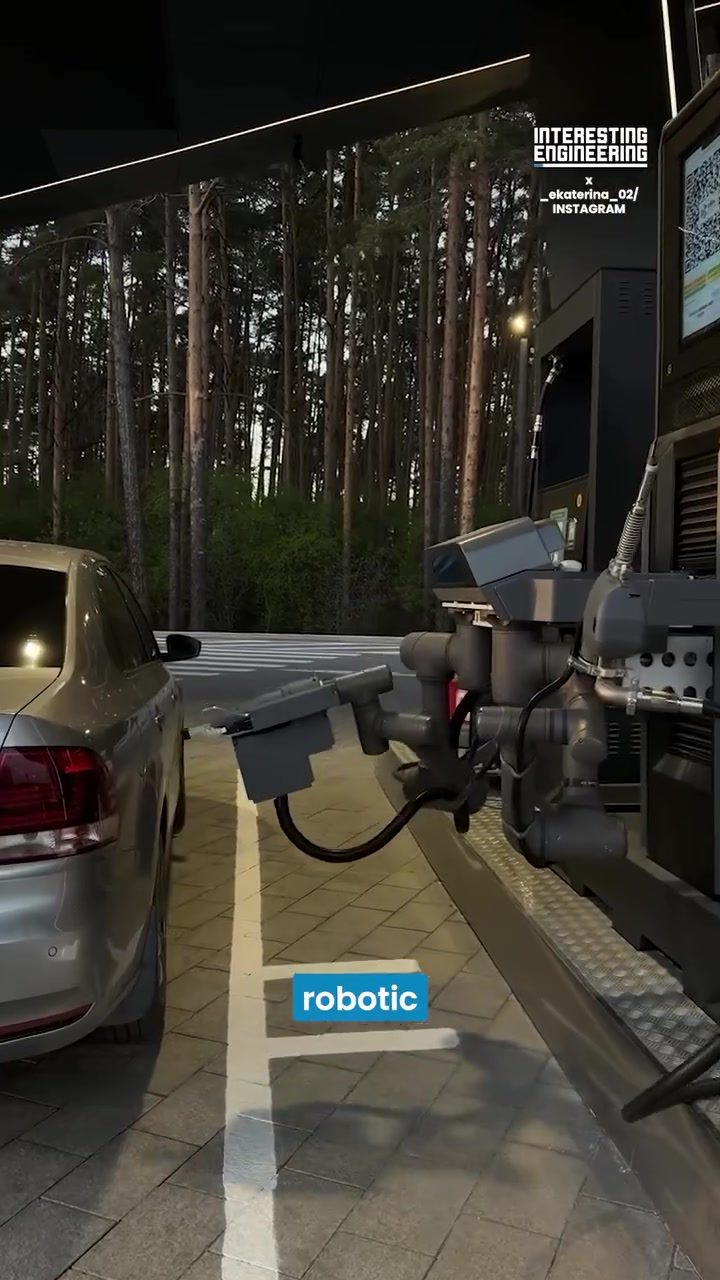
Automated Fueling Systems: The Future of Vehicle Refueling
Automated fueling systems represent a significant advancement in the way vehicles are refueled, particularly for commercial fleets and autonomous vehicles. These systems use a combination of cameras, sensors, and robotic arms to refuel vehicles without the need for human intervention. The automated robotic arms are designed to accurately locate the fuel port, insert the nozzle, and monitor the fueling process until completion.
Context / Why This Matters
The integration of automated fueling systems has several benefits. Firstly, it improves efficiency by reducing the time it takes to refuel a vehicle. This is especially important for commercial fleets where time is money. Secondly, it reduces the need for human labour, which can be a significant cost-saving measure. Lastly, automated systems can operate around the clock, ensuring that vehicles are always ready to go, which is crucial for industries that rely on continuous operation, such as logistics and transportation.
Main Discussion
How Automated Fueling Systems Work
Automated fueling systems rely on a sophisticated set of technologies to perform their tasks. Cameras and sensors are used to guide the robotic arm to the vehicle's fuel port. These sensors provide real-time data about the location and orientation of the fuel port, ensuring that the nozzle is inserted correctly. Once the nozzle is in place, the system monitors the fueling process, ensuring that the correct amount of fuel is dispensed. After the process is complete, the robotic arm safely removes the nozzle, minimizing the risk of spillage and ensuring that the vehicle is ready for its next journey.
Benefits for Commercial Fleets
For commercial fleets, automated fueling systems offer several key advantages. One of the most significant is the reduction in labour requirements. By automating the refueling process, fleet managers can reduce the number of staff needed to keep vehicles operational. This not only lowers costs but also frees up staff to focus on other tasks.
Additionally, automated systems can operate continuously, which means that vehicles can be refueled at any time of the day or night. This is particularly beneficial for fleets that need to operate 24/7, such as those in the logistics and transportation sectors.
Applications for Autonomous Vehicles
Autonomous vehicles represent another area where automated fueling systems can have a significant impact. As autonomous vehicles become more common, the need for automated refueling will grow. These vehicles are designed to operate without human intervention, and integrating automated fueling systems ensures that they can refuel without the need for a human attendant. This seamless integration is crucial for maintaining the efficiency and reliability of autonomous vehicle fleets.
Safety and Efficiency
One of the primary concerns with any automated system is safety. Automated fueling systems are designed with safety in mind, using sensors and cameras to ensure that the fueling process is carried out correctly. The robotic arms are equipped with precision sensors that guide the nozzle into the fuel port, minimizing the risk of spills or accidents. Additionally, the system monitors the fueling process in real-time, ensuring that the correct amount of fuel is dispensed and that the nozzle is safely removed once the process is complete.
Practical Tips
Implementing Automated Fueling Systems
For businesses considering the implementation of automated fueling systems, there are several practical tips to keep in mind. First, assess the needs of your fleet. Consider the size of your fleet, the frequency of refueling, and the operating hours. This will help you determine the scale and type of system that best suits your needs.
Second, ensure that the system is compatible with your existing infrastructure. Automated fueling systems can be integrated with a variety of fueling stations, but it's important to ensure that your current setup is compatible. This might involve upgrading your fueling equipment or modifying your station to accommodate the new system.
Finally, consider the maintenance and support requirements of the system. Like any automated system, automated fueling systems require regular maintenance and support to ensure they operate effectively. Make sure that you have a plan in place for regular maintenance and access to technical support in case of any issues.
Training and Adaptation
Even though automated fueling systems reduce the need for human labour, it's still important to provide training for your staff. They need to understand how the system works and how to perform basic maintenance and troubleshooting. This will ensure that the system runs smoothly and that any issues can be resolved quickly.
Monitoring and Optimization
Regular monitoring and optimization are key to getting the most out of an automated fueling system. Use the data provided by the system to monitor fuel usage, track maintenance needs, and identify areas for improvement. This data can also help you optimize your refueling processes, ensuring that your fleet operates as efficiently as possible.
Important Takeaways
The implementation of automated fueling systems represents a significant step forward in the way vehicles are refueled. These systems offer numerous benefits, including improved efficiency, reduced labour requirements, and the ability to operate around the clock. For commercial fleets and autonomous vehicles, these systems ensure that vehicles are always ready to go, minimizing downtime and maximizing productivity. By carefully assessing your needs, ensuring compatibility, and investing in training and maintenance, you can successfully integrate an automated fueling system into your operations. This will not only enhance efficiency but also position your fleet for future advancements in automotive technology.
Conclusion
Automated fueling systems are poised to revolutionize the way vehicles are refueled, offering a range of benefits that can significantly improve the efficiency and productivity of commercial fleets and autonomous vehicles. By understanding how these systems work and implementing them effectively, businesses can stay ahead of the curve in an increasingly automated world. The future of vehicle refueling is here, and it's automated, precise, and efficient.
Watch the Reel
Questions readers ask
How do automated refueling systems work?
Automated refueling systems utilize cameras, sensors, and robotic arms to identify the vehicle's fuel port, insert the nozzle, and complete the fueling process. These systems operate independently, ensuring precise and safe fueling without human intervention.
What are the primary benefits of robotic fueling systems for commercial fleets?
Robotic fueling systems offer several advantages for commercial fleets, including reduced refueling time, decreased reliance on human labor, and improved safety. These benefits can lead to significant cost savings and operational efficiency.
Can automated fueling stations handle different types of vehicles?
Yes, advanced automated fueling stations are designed to handle a variety of vehicles, including different fleet types. They use sophisticated sensors and cameras to adapt to various vehicle models and fuel port locations, ensuring compatibility and efficiency.
How do automated refueling systems ensure safety during the fueling process?
Automated refueling systems prioritize safety through precise robotic movements and continuous monitoring. Sensors and cameras detect any anomalies, and the system can halt the process if necessary, minimizing the risk of spills or accidents. Additionally, they operate continuously, reducing human error.
What impact do robotic fueling solutions have on operational costs?
Robotic fueling solutions can significantly reduce operational costs by minimizing the need for human labor and speeding up the refueling process. This efficiency translates into lower labor expenses and increased vehicle uptime, making it a cost-effective solution for commercial fleets.
Are there any environmental benefits to using automated fueling systems?
Yes, automated fueling systems can contribute to environmental benefits by reducing fuel spills and emissions. The precise and controlled fueling process minimizes waste, and the continuous operation of these systems can lead to more efficient use of resources, including fuel and labor.
How do automated refueling systems integrate with autonomous vehicles?
Automated refueling systems are particularly well-suited for autonomous vehicles, as they eliminate the need for human intervention. These systems can seamlessly integrate with autonomous operations, allowing vehicles to refuel without stopping or needing human assistance, further enhancing overall efficiency and convenience.
Related deep dives
Similar reads based on topic and creator.


Recent articles
Fresh deep dives from the latest Reels we unpacked.




Comments
Be the first to comment.