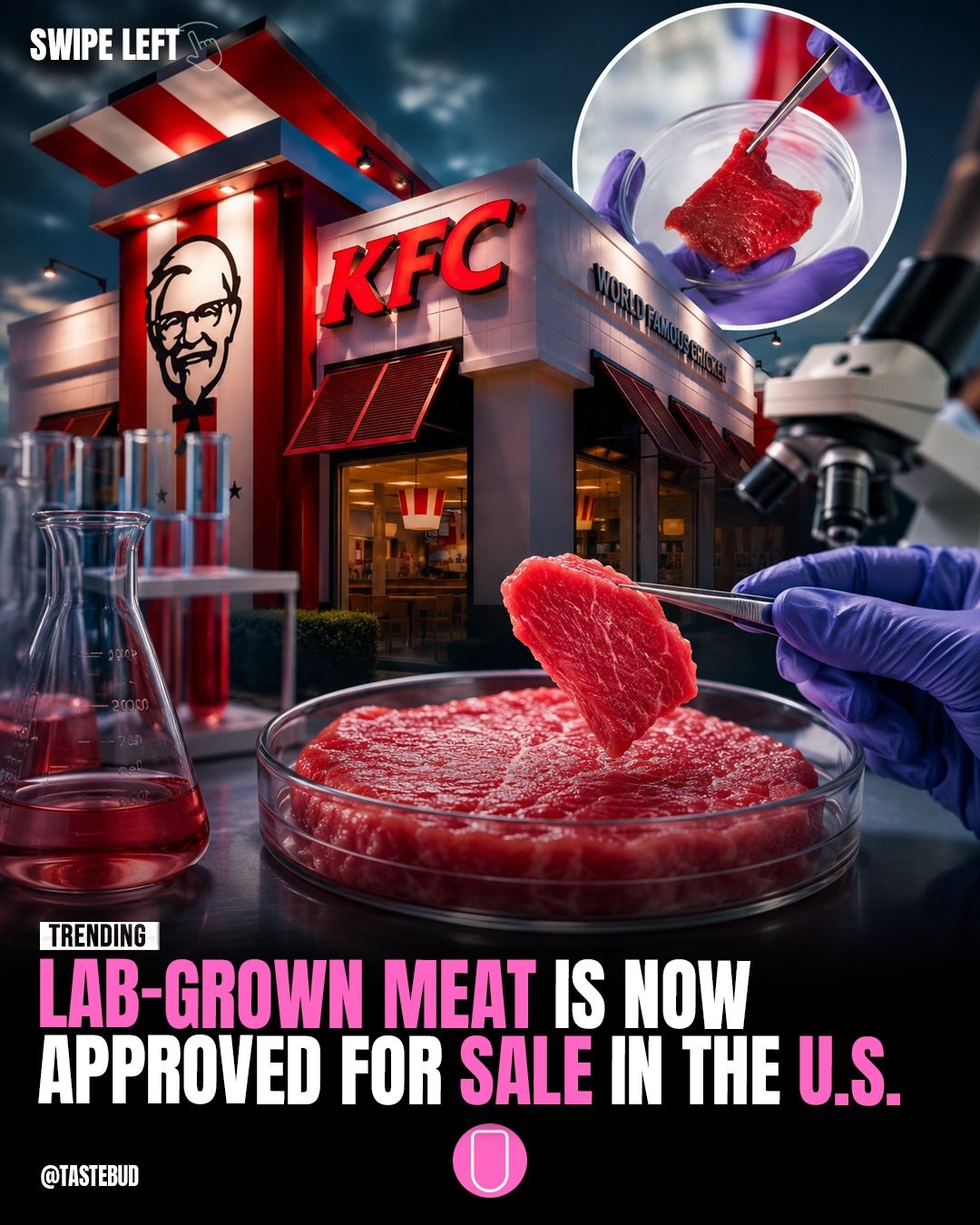
Lab-Grown Meat: Approval and Implications
Lab-grown meat, also known as cultivated meat, has officially transitioned from experimental stages to being approved for sale in the United States. This milestone has been anticipated for years, with major food companies actively investing in the technology behind this innovative form of meat production. Tyson Foods, a prominent player in the industry, has been supporting cultivated meat since 2018, backing companies like Upside Foods and contributing to the FDA and USDA approvals.
Why this matters?
The approval of lab-grown meat signifies a pivotal shift in how we produce and perceive meat. With this new regulatory stance, meat grown from animal cells without traditional farming methods can now be legally sold. This development is poised to reshape the food industry, promising a range of potential benefits and challenges.
Environmental Impact
One of the most compelling arguments for lab-grown meat is its potential to reduce the environmental impact associated with traditional livestock farming. Conventional meat production is notorious for its significant carbon footprint, land, and water usage. Cultivated meat, on the other hand, can be produced in controlled environments, significantly reducing these impacts. This could lead to a more sustainable and eco-friendly food supply chain.
Technological Innovation
Lab-grown meat represents the culmination of cutting-edge biotechnology and food science. The technology involves the use of animal cells that are cultured in a laboratory setting, allowing for the creation of meat without the need for traditional farming methods. This not only reduces the need for land and resources but also opens up new avenues for innovation in the food industry. Companies like Tyson Foods have long been investing in this sector, recognizing the potential for technological advancements that could revolutionize food production.
Regulatory Milestones
The approval of lab-grown meat by the FDA and USDA marks a significant regulatory milestone. It signals the government's recognition of the safety and viability of this new form of meat production. Tyson Foods, along with other major food companies, has been preparing for this approval, investing in cultivated meat technology and supporting startups in the field. This collaborative effort between industry leaders and regulatory bodies underscores the growing acceptance and validation of lab-grown meat.
Investment and Innovation
The shift towards lab-grown meat has been backed by substantial investment from major food companies. Tyson Foods, for instance, has been involved in cultivating meat since 2018, aligning with regulatory approvals. This investment highlights the industry’s confidence in the future of cultivated meat, recognizing its potential to disrupt traditional meat production methods.
Main discussion:
Current State of the Industry
The approval of lab-grown meat in the U.S. represents a turning point in the food industry. As one of the first companies to receive approval, Upside Foods can now legally sell meat grown from animal cells. This development is a testament to the advancements in biotechnology and the growing acceptance of cultivated meat.
Benefits and Challenges
Supporters of lab-grown meat highlight its potential to reduce environmental impact and change how food is produced. The controlled environment of lab-grown meat production could lead to more sustainable and ethical meat production methods. However, critics question the cost, taste, and general acceptance of lab-grown meat by consumers. Addressing these concerns will be crucial for the widespread adoption of this technology.
Consumer Acceptance
One of the biggest challenges for lab-grown meat is consumer acceptance. While the environmental and ethical benefits are clear, gaining consumer trust and preference for cultivated meat over traditional meat remains a significant hurdle. The taste and texture of lab-grown meat are critical factors, and ongoing research and development aim to replicate the qualities of traditionally farmed meat.
Practical tips
For Consumers
- Stay Informed: Keep an eye on the latest developments in lab-grown meat technology and regulatory approvals. Understanding the benefits and challenges can help you make informed decisions about trying this new form of meat.
- Try It Out: As lab-grown meat becomes more available, take the opportunity to try it and form your own opinion. Taste tests and reviews can provide valuable insights into the quality and acceptability of this new product.
- Support Innovation: By supporting companies that invest in lab-grown meat, you can contribute to the advancement of sustainable food production methods.
For Investors
- Evaluate Potential: Consider the long-term potential of lab-grown meat technology. Investing in companies that are at the forefront of this innovation could yield significant returns as the industry grows.
- Monitor Regulations: Stay updated on regulatory developments and approvals. The support from regulatory bodies like the FDA and USDA can influence the success and adoption of lab-grown meat.
- Collaborate with Startups: Partnering with startups that are pioneering in the field of lab-grown meat can provide insights and opportunities for innovation and growth.
For Industry Players
- Focus on Quality: Prioritize the quality and taste of lab-grown meat to ensure consumer acceptance. Addressing concerns about texture and flavor is crucial for gaining market share.
- Invest in Research and Development: Continually invest in R&D to improve the technology and production methods of lab-grown meat. This will help in overcoming the current challenges and achieving broader adoption.
- Engage with Consumers: Build trust and understanding among consumers by providing transparent information about the benefits and processes of lab-grown meat. Engaging with the public can help in addressing concerns and gaining acceptance.
Important takeaways
The approval of lab-grown meat in the U.S. is a groundbreaking development that highlights the potential for sustainable and innovative food production. While there are challenges to overcome, particularly in terms of cost, taste, and consumer acceptance, the benefits of reduced environmental impact and technological innovation are substantial. Major food companies like Tyson Foods have been instrumental in driving this shift, investing in and supporting the development of cultivated meat technology. As the industry continues to evolve, staying informed and engaged will be crucial for both consumers and industry players.
Conclusion
Lab-grown meat is no longer just an experimental concept; it is now a reality approved for sale in the United States. The future of food is already starting to change, with significant investments and regulatory support backing this innovative form of meat production. Whether through environmental benefits, technological advancements, or consumer acceptance, the impact of lab-grown meat is set to redefine the food industry. As we navigate this new landscape, it's essential to stay informed, open to new possibilities, and actively engaged in the evolving narrative of food production.
Watch the Reel
Questions readers ask
What makes lab-grown meat a significant development in food production?
Lab-grown meat represents a significant shift in food production because it reduces the need for traditional livestock farming, which can have substantial environmental impacts. By growing meat from animal cells in a controlled environment, this method offers a more sustainable approach to meet the global demand for meat.
Which companies have been involved in the development of lab-grown meat?
Several major food companies have shown interest in lab-grown meat, with Tyson Foods being a notable example. Since 2018, Tyson Foods has been investing in and supporting companies like Upside Foods, contributing to the regulatory approvals from the FDA and USDA.
How does lab-grown meat impact the food industry?
The approval of lab-grown meat opens new avenues for technological advancements and innovation in the food industry. It introduces a novel method of meat production, encouraging other companies to explore similar technologies and adapt to changing consumer preferences.
What are the environmental benefits of lab-grown meat?
Lab-grown meat has the potential to significantly reduce the environmental impact associated with traditional livestock farming. By eliminating the need for large farms, it can lower greenhouse gas emissions, reduce water usage, and decrease land degradation, making it a more eco-friendly option.
How does the approval of lab-grown meat benefit consumers?
Consumers will have access to a new type of meat product that is produced in a more sustainable and controlled manner. This can provide assurance regarding the quality, safety, and ethical treatment of the animals, which supports consumer interest in sustainable and ethical products.
What is the taste of lab-grown meat compared to traditionally farmed meat?
The taste of lab-grown meat is designed to closely resemble that of traditionally farmed meat. Companies like Tyson Foods and Upside Foods have been working to ensure that the taste, texture, and overall culinary experience of lab-grown meat is similar to conventional meat, making it an attractive alternative for many consumers.
What are the future implications of lab-grown meat for the food industry?
The future of lab-grown meat in the food industry looks promising, with the potential for widespread adoption and integration into mainstream markets. As technology advances and production costs decrease, lab-grown meat could become a viable and popular alternative to traditional meat products, driving further innovation in the food sector.
Related deep dives
Similar reads based on topic and creator.


Recent articles
Fresh deep dives from the latest Reels we unpacked.




Comments
Be the first to comment.