The Future of Farming: AI and Robotics in Agriculture
Agriculture is on the cusp of a technological revolution, with AI and robotics playing increasingly pivotal roles. This transformation is not just about futuristic possibilities; it's happening right now. Robots are already hunting pests with UV light in California, managing vast cotton fields in China, and assisting with hazardous tasks in Nebraska. Meanwhile, AI tools like ChatGPT are enabling non-experts to run large-scale farming operations.
Why This Matters
The global population is growing, and so is the demand for food. Traditional farming methods are struggling to keep up with the increasing pressure of climate change, labor shortages, and the need for sustainability. AI and robotics offer solutions to these challenges by increasing efficiency, reducing labor costs, and minimizing environmental impact. By 2026, these technologies are expected to be integral to farming operations worldwide.
The Evolution of Farming Technology
From GPS Tractors to Autonomous Fleets
The integration of technology in agriculture has evolved rapidly over the past few decades. GPS tractors were one of the first significant advancements, allowing farmers to map their fields and automate navigation. Today, the technology has progressed to fully autonomous fleets that can operate independently, making farming more efficient and less labor-intensive.
AI and Robotics in Action
AI and robotics are transforming various aspects of farming:
-
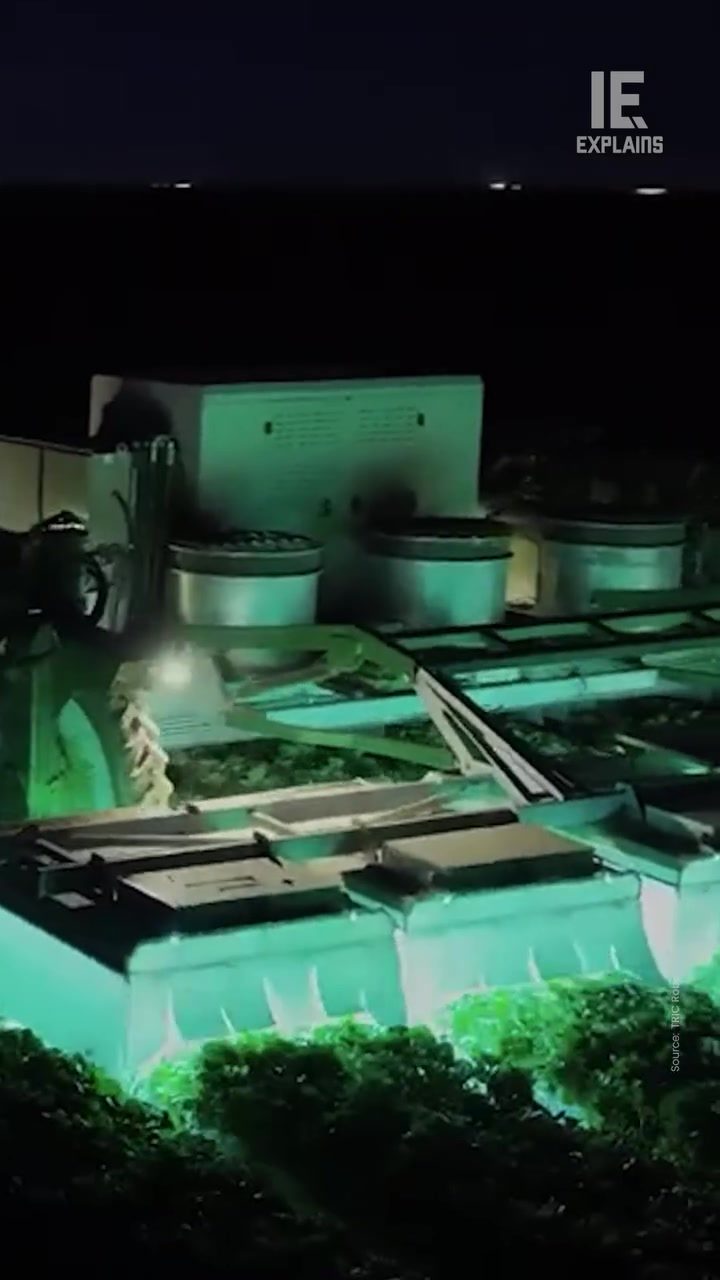
Pest Control: In California, robots equipped with ultraviolet light are zapping pests on strawberry plants at 2 AM. This method is not only effective but also reduces the need for harmful pesticides.
-
Large-Scale Farming: In China's Xinjiang desert, cotton fields are managed with minimal human intervention. Machines handle tasks from planting to harvesting, ensuring efficiency on a massive scale.
-
Hazardous Tasks: In Nebraska, small robots are used for tasks like inspecting grain silos, a job that is otherwise dangerous for humans. These robots can navigate complex environments and perform tasks that were previously risky.
-
AI-Driven Farm Management: A former government worker in Japan is managing a 100-hectare farm using ChatGPT. This AI tool helps with planning, monitoring, and decision-making, enabling someone without a farming background to run a large operation successfully.
The Engineering Behind AI and Robotics in Farming
The engineering behind these technologies is complex and multifaceted. Key components include:
-
Sensors and Cameras: These devices collect data about the environment, such as soil moisture, pest presence, and crop health.
-
AI Algorithms: Advanced algorithms analyze the data collected by sensors, making informed decisions about farming practices. This includes identifying weeds, predicting crop yield, and optimizing resource use.
-
Autonomous Navigation: Robots and drones use GPS and other navigational systems to move independently through fields, performing tasks with precision.
-
Human-Machine Interaction: Tools like ChatGPT enable non-experts to interact with farming systems, making it easier to manage operations without extensive technical knowledge.
Challenges and Considerations
Despite the potential benefits, there are several challenges and considerations to keep in mind:
-
Cost: The initial investment in AI and robotics can be high, which might be a barrier for smaller farmers.
-
Adoption: Farmers need to be willing and able to adopt these new technologies, which requires training and support.
-
Environmental Impact: While these technologies can reduce the use of chemicals and labor, their environmental impact, including energy consumption and electronic waste, needs to be carefully managed.
-
Social Impact: The shift towards automation could lead to job displacement in the farming sector, requiring policies to support those affected.
Practical Tips for Integrating AI and Robotics in Farming
For farmers looking to integrate AI and robotics into their operations, here are some practical tips:
-
Start Small: Begin with small-scale implementations to understand the technology and its benefits before scaling up.
-
Leverage AI Tools: Use AI-driven tools like ChatGPT for planning and decision-making, even if you don't have a technical background.
-
Invest in Training: Ensure that you and your team are well-trained in using the new technologies. This will help in maximizing their benefits and minimizing risks.
-
Stay Updated: Keep up with the latest advancements in AI and robotics, as the field is rapidly evolving.
Important Takeaways
- AI and robotics are already transforming agriculture by increasing efficiency, reducing labor, and minimizing environmental impact.
- The technology has evolved from basic GPS tractors to fully autonomous fleets and AI-driven decision-making tools.
- Challenges include cost, adoption, environmental impact, and social impact, but with careful planning and implementation, these can be managed.
- For farmers, starting small, leveraging AI tools, investing in training, and staying updated are key to successfully integrating these technologies.
Conclusion
The future of farming is here, and it's being shaped by AI and robotics. From pest control in California to vast cotton fields in China, and hazardous task management in Nebraska, these technologies are already making a significant impact. As the world population grows and climate change poses new challenges, AI and robotics offer a pathway to sustainable and efficient food production. The transformation is underway, and it's crucial for the farming community to embrace these advancements to ensure a food-secure future.
Watch the Reel
Questions readers ask
How do robots contribute to sustainable farming practices?
Robots contribute to sustainable farming by increasing efficiency and reducing the need for harmful chemicals. For instance, robots can precisely target and eliminate pests, minimizing the use of pesticides. Additionally, they can manage irrigation systems to optimize water use, thereby conserving resources.
What kinds of tasks are robots currently handling in agricultural settings?
Robots are already involved in a variety of tasks, including pest control using methods like UV light, managing large fields, and assisting with hazardous activities. For example, in Nebraska, robots are used to handle dangerous tasks, while in California, they are employed to control pests.
How are AI tools like ChatGPT assisting in farming operations?
AI tools like ChatGPT are making farming operations more accessible to non-experts. By providing intelligent guidance and automation, these tools enable individuals without extensive agricultural knowledge to manage large-scale farming operations effectively.
What role do drones play in modern agriculture?
Drones, or agricultural drones, are used for crop monitoring, surveillance, and precision farming. They help farmers get a bird’s-eye view of their fields, identify issues like pest infestations or water stress, and apply treatments with high precision, reducing waste and enhancing overall yield.
In what ways are AI and robotics addressing labor shortages in agriculture?
AI and robotics are helping to address labor shortages by automating repetitive and labor-intensive tasks. This not only reduces the need for manual labor but also ensures that tasks are completed consistently and efficiently, even when human workers are scarce.
How do AI and robotics support precision agriculture?
Precision agriculture relies on AI and robotics to gather and analyze data, enabling farmers to make informed decisions. AI can process data from various sources, such as sensors and drones, to provide real-time insights. This allows for targeted interventions and optimized resource use, such as precise irrigation and fertilizer application.
What are some examples of AI and robotics in action in different regions?
In California, robots are deployed to control pests using UV light. In China, robots are managing vast cotton fields, while in Nebraska, they are handling hazardous tasks. These examples illustrate the diverse applications of AI and robotics across different agricultural landscapes and challenges.
Related deep dives
Similar reads based on topic and creator.


Recent articles
Fresh deep dives from the latest Reels we unpacked.




Comments
Be the first to comment.