Zero-Oil Jet Fuel: The Future of Aviation
Aircraft refueling is undergoing a revolutionary transformation with the development of synthetic aviation fuel manufactured entirely from thin air and electricity. This groundbreaking process eliminates the need for oil wells and refineries, offering a sustainable alternative to traditional fossil-based jet fuel.
Why This Matters
The aviation industry is one of the most challenging sectors to decarbonise. Batteries currently lack the energy density required for long-haul flights, making synthetic fuel a critical innovation. This fuel not only reduces carbon emissions but also leverages existing aircraft engines and infrastructure, ensuring a smoother transition to cleaner aviation practices.
The Technology Behind Synthetic Jet Fuel
Direct Air Capture and Electrolysis
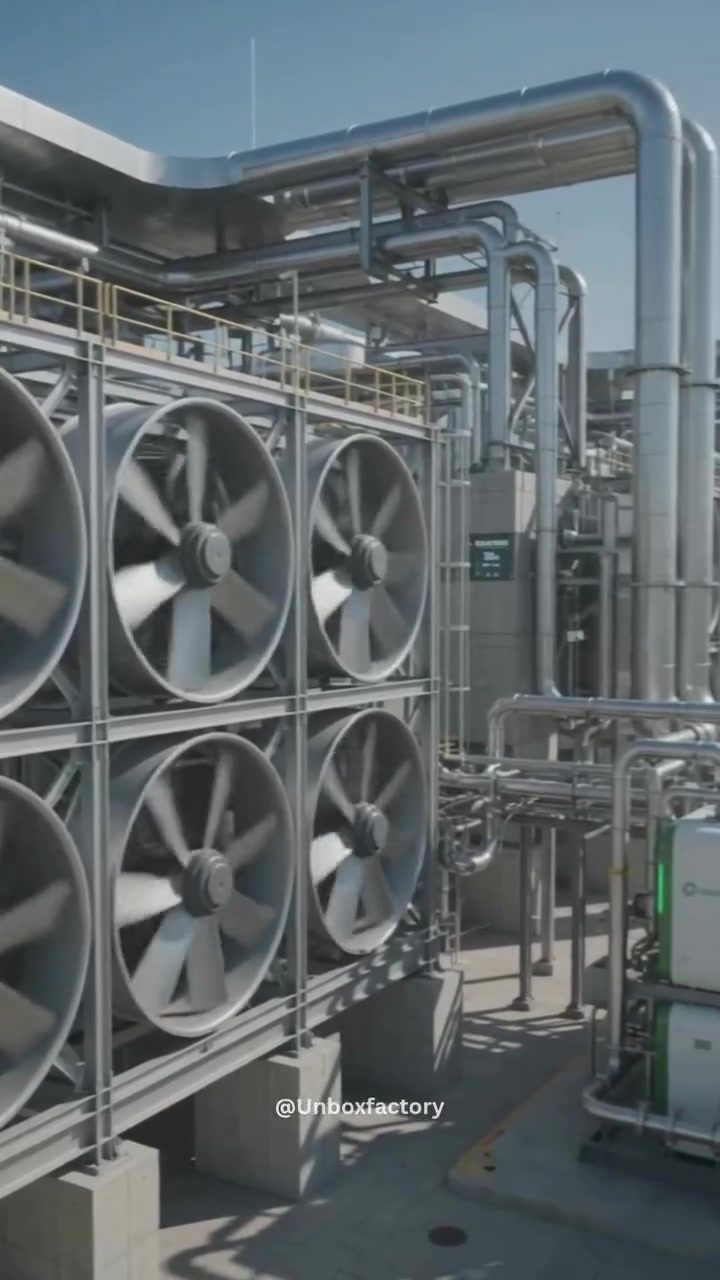
The process begins by capturing CO2 directly from the atmosphere using direct air capture (DAC) technology. This technology involves large fans that pull in ambient air, which is then filtered to extract the CO2. Simultaneously, hydrogen is sourced through electrolysis, a process that splits water molecules into hydrogen and oxygen using electricity. The captured carbon and hydrogen are then synthesized into kerosene, the primary component of conventional jet fuel, using established chemical engineering techniques.
Chemical Composition and Compatibility
The resulting synthetic fuel is chemically identical to conventional jet fuel. This means it can be used in existing aircraft engines without any modifications, making it a practical and immediate solution for reducing aviation's carbon footprint. The fuel is produced in a way that eliminates fossil carbon from the fuel cycle entirely.
Current Market and Costs
Airbus and United Airlines are already purchasing this synthetic fuel commercially. The current cost of this fuel is around $5 to $8 per liter, significantly higher than conventional fossil jet fuel. However, the price is expected to decrease as production scales up with each new facility.
The Refueling Process
The refueling process for aircraft using synthetic fuel is similar to that of conventional jet fuel. A worker connects a refueling hose to the aircraft's fuel tank, and the fuel is pumped into the tank. The specialized equipment used in this process ensures that the fuel is efficiently and safely transferred to the aircraft. This equipment is designed to handle the unique properties of the synthetic fuel.
Practical Tips for Adopting Synthetic Jet Fuel
For Airlines
- Evaluate Cost-benefit: While the current cost of synthetic jet fuel is higher, consider the long-term benefits and potential subsidies or incentives for adopting sustainable practices.
- Invest in Infrastructure: Assess the existing infrastructure and make necessary upgrades to support the use of synthetic fuel.
- Collaborate with Suppliers: Engage with fuel suppliers to ensure a stable supply of synthetic jet fuel as the technology scales.
For Aircraft Manufacturers
- Engine Compatibility: Ensure that aircraft engines are designed to be compatible with synthetic fuel, even though current engines can already use it without modifications.
- Research and Development: Invest in R&D to further optimize the production and performance of synthetic fuel.
Important Takeaways
- Sustainability: Synthetic jet fuel offers a sustainable alternative to fossil-based jet fuel, significantly reducing the aviation industry’s carbon footprint.
- Compatibility: The fuel is chemically identical to conventional jet fuel, making it compatible with existing aircraft engines and infrastructure.
- Cost: Although currently more expensive, the cost of synthetic fuel is expected to decrease as production scales up.
- Market Adoption: Major airlines like Airbus and United Airlines are already adopting synthetic fuel, indicating a growing trend towards sustainable aviation practices.
Conclusion
The development of synthetic jet fuel manufactured from CO2 captured from the air and hydrogen split from water marks a significant milestone in the aviation industry's journey towards sustainability. By leveraging direct air capture technology and electrolysis, this innovative process creates a fuel that is both environmentally friendly and practical for immediate use. As the technology scales and costs decrease, synthetic jet fuel is poised to play a crucial role in decarbonizing the aviation sector, ensuring a cleaner future for air travel.
Watch the Reel
Questions readers ask
What is synthetic jet fuel and how is it made?
Synthetic jet fuel is a sustainable alternative to traditional fossil fuels, created by capturing CO2 directly from the atmosphere and combining it with hydrogen. This process uses electricity to power the conversion, resulting in a fuel that is chemically identical to conventional jet fuel. It completely eliminates the need for oil wells and refineries.
How does synthetic jet fuel contribute to aviation sustainability?
By using captured CO2 and hydrogen, synthetic jet fuel significantly reduces carbon emissions. It leverages existing aircraft engines and infrastructure, ensuring a smoother transition to cleaner aviation practices. Unlike batteries, synthetic fuel offers the energy density required for long-haul flights.
What is direct air capture and how does it relate to synthetic jet fuel?
Direct air capture is the process of capturing CO2 directly from the atmosphere. This technology is integral to creating synthetic jet fuel, as the captured CO2 is combined with hydrogen to produce a fuel that can power aircraft. The process reduces the carbon footprint of aviation.
Can existing aircraft use synthetic jet fuel?
Yes, synthetic jet fuel is chemically identical to conventional jet fuel, making it compatible with existing aircraft engines. This compatibility ensures that the transition to cleaner aviation practices can be made without significant modifications to current infrastructure.
What role does hydrogen play in the production of synthetic jet fuel?
Hydrogen is a key component in the production of synthetic jet fuel. It is combined with captured CO2 to create a fuel that can power aircraft. The process uses electricity to produce hydrogen, further reducing the reliance on fossil fuels and lowering carbon emissions.
What are the benefits of using electricity to produce jet fuel?
Using electricity to produce jet fuel offers several benefits. It reduces reliance on fossil fuels, lowers carbon emissions, and provides a sustainable alternative for the aviation industry. The process can be powered by renewable energy sources, further enhancing its environmental benefits.
Why is synthetic jet fuel important for the future of aviation?
Synthetic jet fuel is important for the future of aviation because it offers a viable solution to decarbonise the industry, especially for long-haul flights. It is compatible with existing infrastructure, making it a practical transition from fossil fuels. Synthetic fuel is a critical innovation on the path to achieving zero-emission aviation.
Related deep dives
Similar reads based on topic and creator.



Recent articles
Fresh deep dives from the latest Reels we unpacked.




Comments
Be the first to comment.