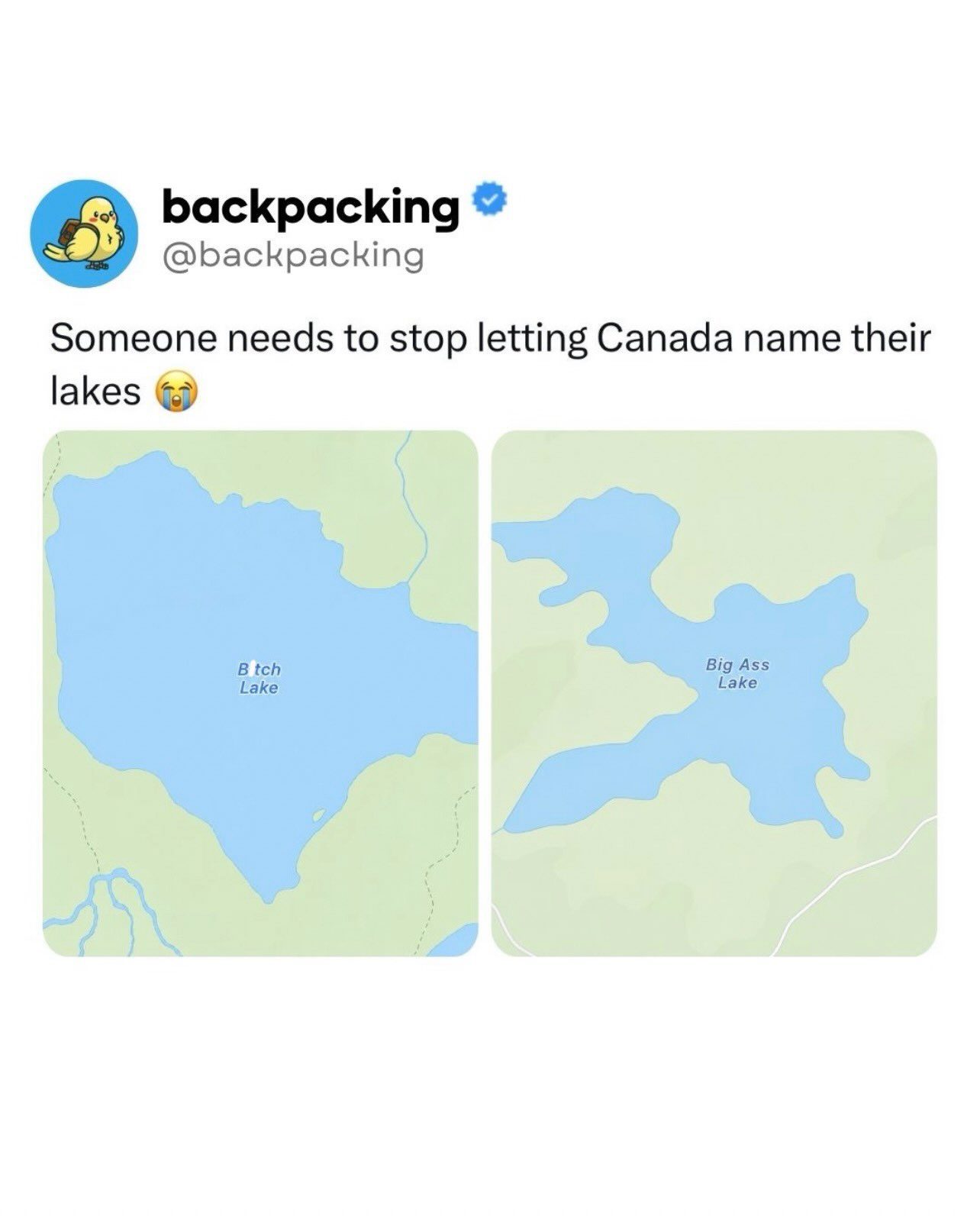
Canadian Lake Names: A Humorous Look at Unusual Lake Naming in Canada
Canada is known for many things: its vast landscapes, friendly people, and, as it turns out, some of the most unusual lake names in the world. Lakes like Misery Lake, Useless Lake, and Bitch Lake are just a few examples of the humorously named bodies of water scattered across the country.
Context / Why this matters
With more lakes than any other country on Earth, Canada has had a lot of naming to do. The sheer number of lakes—over two million, according to some estimates—means that creativity, or lack thereof, has run wild. The result is a collection of names that range from the whimsical to the downright bizarre. These names offer a unique glimpse into the history and culture of Canada, and they serve as a reminder that even the most mundane tasks, like naming lakes, can lead to some amusing outcomes.
Main discussion
The Origins of Unusual Lake Names
The origins of these unusual lake names vary widely. Some are the result of early settlers' attempts to describe the landscape or their experiences. For example, Misery Lake might have been named by weary travelers who found the area particularly challenging. Others, like Big Ass Lake, are the result of more lighthearted or irreverent naming conventions.
Humorous and Inappropriate Names
Canada's lake names often draw attention for their humorous or inappropriate nature. Take, for example, Bitch Lake, a name that has sparked countless conversations and jokes. While the name itself might seem shocking, it’s part of a long tradition of using local slang and colloquialisms to name natural features. Similarly, names like Useless Lake and Another Lake add to the quirkiness of Canada's geographical landscape.
The Significance of Lake Naming
Lake naming in Canada is not just a matter of giving a body of water a label; it’s a reflection of the country's history and culture. The names often tell stories of early exploration, settlement, and the interactions between indigenous peoples and newcomers. For instance, some names might have originated from indigenous languages, while others are the result of English or French settlers.
Practical tips
Exploring Canada’s Lakes
For adventurers and travelers, exploring Canada’s lakes can be a unique and rewarding experience. Here are a few tips to make the most of your journey:
-
Research the Names: Before you head out, do some research on the names of the lakes you plan to visit. Knowing the backstory behind a name like Misery Lake or Big Ass Lake can add an extra layer of interest to your trip.
-
Plan Ahead: Canada’s lakes are vast and diverse, so planning your route and accommodations in advance is essential. Whether you’re planning a backpacking trip or a leisurely drive, make sure you have a solid itinerary.
-
Respect the Environment: As you explore, remember to respect the natural beauty of Canada’s lakes. Pack out all your trash, stick to designated trails, and be mindful of local wildlife.
Important takeaways
- Canada’s lake names offer a unique glimpse into the country’s history and culture.
- The names often range from whimsical to downright bizarre, reflecting the diverse experiences of settlers and indigenous peoples.
- Exploring Canada’s lakes can be a rewarding adventure, offering both natural beauty and a sense of history.
Conclusion
The unusual and often humorous names of Canada’s lakes are a testament to the country’s rich history and diverse cultural influences. From Misery Lake to Bitch Lake, these names tell stories that have been passed down through generations, offering a unique perspective on the vast and varied landscape of Canada. Next time you find yourself near a lake with a peculiar name, take a moment to appreciate the story behind it.
Watch the Reel
Questions readers ask
Why does Canada have so many lakes with unusual names?
Canada's extensive lake naming is a result of its vast geography, with over two million lakes. This abundance led to a wide range of creative and often humorous naming conventions, reflecting everything from early settlers' unique experiences to local slang.
What are some examples of humorous lake names in Canada?
Canada boasts a variety of amusing lake names, including Misery Lake, Big Ass Lake, Useless Lake, and Bitch Lake. These names often reveal interesting stories about the areas and the people who named them.
Is there a map available to explore these funny Canadian lake names?
While there isn't a single comprehensive map dedicated solely to humorous Canadian lake names, various online resources and mapping tools can help you locate and explore these uniquely named lakes.
Do these funny lake names have any historical significance?
Yes, many of these humorous lake names have historical significance. They often reflect the experiences of early settlers, Indigenous peoples, and local communities, offering a unique perspective on Canada's past.
Are there any official guidelines for naming lakes in Canada?
Canada does have guidelines for naming geographical features, including lakes. However, these guidelines are often flexible, allowing for a mix of official and informal names, which contributes to the diversity and humor in lake names.
Can you go backpacking near these uniquely named lakes?
Yes, many of these uniquely named lakes are located in areas that are perfect for backpacking and outdoor activities. Popular regions include Ontario, Alberta, and British Columbia, which offer a mix of scenic beauty and adventurous trails.
Related deep dives
Similar reads based on topic and creator.




Recent articles
Fresh deep dives from the latest Reels we unpacked.



Comments
Be the first to comment.