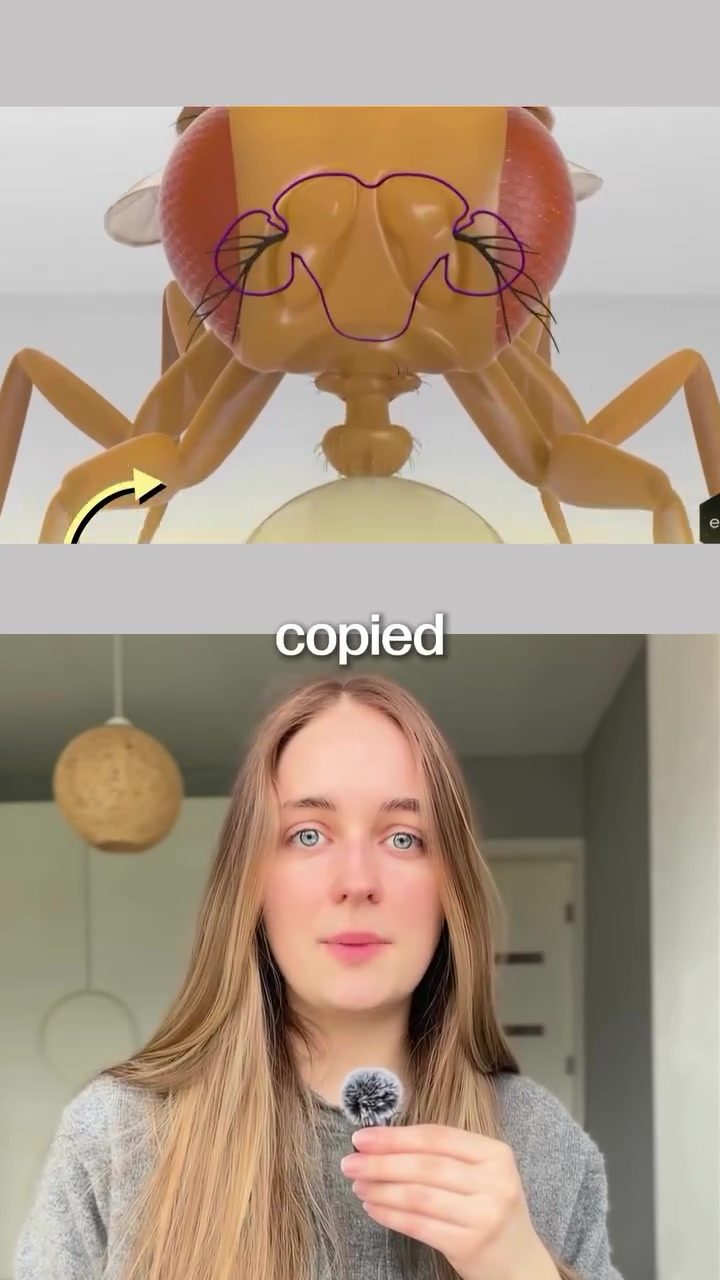
Fruit Fly Brain Emulation: Pioneering Digital Intelligence
Scientists have achieved a groundbreaking milestone by digitally replicating a fruit fly's brain and integrating it into a virtual body. This digital fly autonomously navigates its environment, searches for food, and responds to stimuli with 95% accuracy, all without relying on machine learning or extensive training data. The implications of this achievement stretch far beyond the insect world, paving the way for future digital human emulations and advancements in digital intelligence.
Why This Matters
The successful emulation of a fruit fly's brain represents a significant leap in our understanding of neurobiology and digital intelligence. This breakthrough showcases the potential for creating digital emulations of more complex organisms, including humans. By replicating neural activity and behaviors, researchers can explore the intricacies of the brain, leading to innovations in various fields, from neuroscience to artificial intelligence. This technology can also provide insights into human cognition, brain disorders, and potential treatments, as well as push the boundaries of AI and robotics.
The Fruit Fly Brain Emulation
The Brain and Digital Body Integration
Researchers have meticulously mapped the neural circuitry of a fruit fly's brain and translated it into a digital format. This digital brain was then integrated into a virtual body, allowing it to simulate real-world interactions. The digital fly demonstrates autonomous behaviors, such as searching for food, responding to environmental stimuli, and even understanding concepts like hunger. This emulation is remarkable because it achieves these complex behaviors without the need for extensive machine learning algorithms or training data.
Autonomous Behavior and Environmental Response
One of the most striking aspects of this emulation is its autonomous behavior. The digital fly moves, searches for food, and eats, all driven by the emulated brain. The fact that it knows how to walk is just the beginning; the fly's behavior is driven by internal motivations, such as the understanding of hunger, encoded in its brain. This level of autonomy and environmental response highlights the success of the emulation in replicating the neural circuitry and decision-making processes of a living organism.
Implications for Future Research
This breakthrough in fruit fly brain emulation has far-reaching implications for future research. Scientists can use this technology to gain deeper insights into the neural mechanisms governing behavior, cognition, and adaptability. By studying the digital fly, researchers can explore how neural networks process information, make decisions, and adapt to changing environments. This knowledge can be applied to develop more advanced AI systems, autonomous robots, and even digital human emulations.
Preparing for a Future with Digital Intelligence
Creating Digital Human Emulations
The ultimate goal of this research is to create complete digital human emulations. By understanding how to replicate and emulate the brain's neural circuitry, scientists can work towards creating digital replicas of human cognition and behavior. This could revolutionize fields such as medicine, psychology, and artificial intelligence, providing new ways to study and understand the human mind.
Overcoming Technological Challenges
The researchers acknowledge that while the technology is possible, the main challenge lies in the timeline. Creating a complete digital human emulation requires overcoming significant technological hurdles, including the complexity of the human brain and the need for high-fidelity neural emulations. However, with advancements in neuroscience, computational power, and digital intelligence, the future of digital human emulations is within reach.
Practical Tips for Understanding and Applying This Technology
Stay Informed About Advancements
Keep up-to-date with the latest developments in neural emulation and digital intelligence. Follow reputable sources in neuroscience and AI to stay informed about breakthroughs and emerging technologies in this field.
Explore Educational Resources
Engage with educational resources and online courses that focus on neuroscience, AI, and digital intelligence. Understanding the fundamental principles of neural circuitry and digital emulations can provide a solid foundation for appreciating the significance of this technology.
Participate in Research and Development
If you have a background in neuroscience, computer science, or AI, consider contributing to research and development in this area. Collaborate with interdisciplinary teams to advance our understanding of neural emulations and digital intelligence.
Engage with the Scientific Community
Join forums, conferences, and workshops that bring together experts in neuroscience, AI, and digital intelligence. Engaging with the scientific community can provide valuable insights and opportunities to collaborate on cutting-edge research.
Important Takeaways
The successful emulation of a fruit fly's brain and its integration into a digital body mark a significant milestone in neuroscience and digital intelligence. This technology demonstrates the potential for creating digital emulations of more complex organisms, including humans, and offers new avenues for exploring the intricacies of the brain. As researchers continue to push the boundaries of this technology, we can look forward to advancements in fields such as medicine, psychology, and artificial intelligence.
Conclusion
The digital emulation of a fruit fly's brain represents a groundbreaking advancement in our understanding of neural circuitry and digital intelligence. By replicating the brain's neural activity and behaviors, researchers have paved the way for future digital human emulations and potential applications in various fields. As we continue to explore the possibilities of this technology, we move closer to a future where digital intelligence plays a crucial role in advancing our understanding of the human mind and beyond.
Watch the Reel
Questions readers ask
How was the digital fruit fly able to achieve such high accuracy in navigation and response to stimuli?
The digital fruit fly's high accuracy is due to the precise emulation of the fruit fly's brain in a computer. This simulation allows the digital fly to process information and react to its environment in a way that mirrors the real fruit fly, achieving 95% accuracy without needing machine learning or extensive training data.
What makes the digital brain simulation of a fruit fly significant for AI?
This simulation is significant because it demonstrates the potential for creating autonomous digital entities that can navigate and respond to their environment with high accuracy. Unlike traditional AI methods, this approach does not rely on machine learning or large datasets, offering a new pathway for developing intelligent systems.
How does the digital fruit fly's brain function differ from traditional AI approaches?
Traditional AI often relies on machine learning and large datasets to train models. In contrast, the digital fruit fly's brain functions through a direct emulation of the fruit fly's neural processes, allowing it to autonomously navigate and respond to its environment without the need for extensive training or data.
What are the potential applications of this technology beyond the insect world?
The successful emulation of a fruit fly's brain opens up possibilities for creating digital emulations of more complex organisms, including humans. This could lead to advancements in understanding brain function and behavior, as well as the development of new AI systems inspired by biological neural processes.
How does the digital fly brain model contribute to our understanding of neurobiology?
By accurately mimicking the fruit fly's brain, this model provides insights into how neural circuits process information and generate behavior. This understanding can be applied to study more complex brains, offering a deeper grasp of neural behavior and its underlying mechanisms.
Related deep dives
Similar reads based on topic and creator.




Recent articles
Fresh deep dives from the latest Reels we unpacked.


Comments
Be the first to comment.