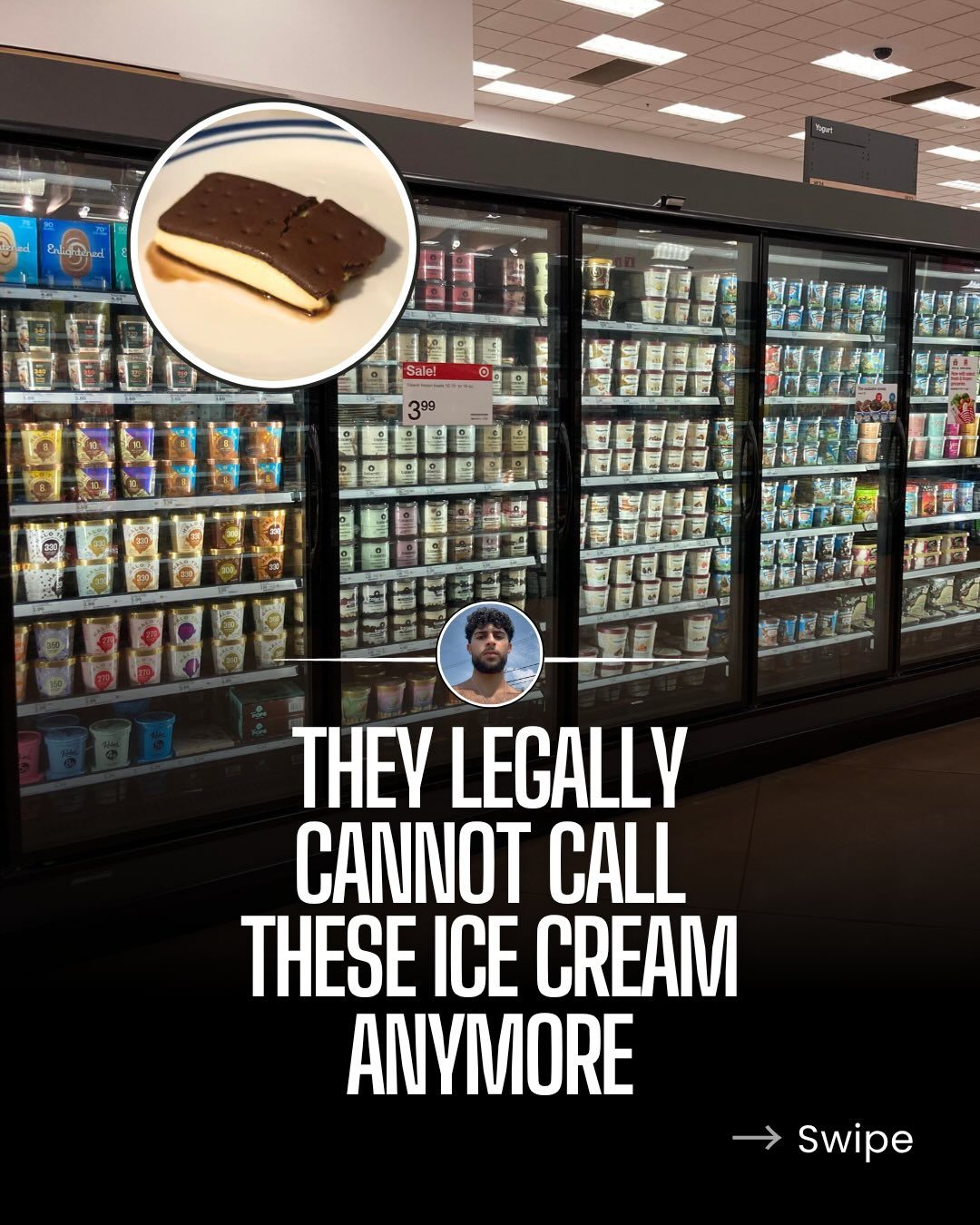
Frozen Dessert Regulations: What You Need to Know
Frozen desserts are a beloved treat, but did you know that not all frozen desserts can be legally called "ice cream"? In the United States, there are strict regulations governing what can and cannot be labeled as ice cream. Understanding these regulations can help you make more informed choices about the frozen treats you enjoy.
Why This Matters
These regulations ensure that consumers are aware of the ingredients in their favorite frozen desserts. By knowing the legal distinctions, you can better understand the nutritional content and quality of the products you purchase. This information is particularly relevant for those with dietary restrictions or preferences, as well as for anyone interested in the food industry.
What Makes a Product "Ice Cream"?
Legal Definitions
For a product to legally be called "ice cream" in the U.S., it must meet specific criteria set by the Food and Drug Administration (FDA). The primary requirements include minimum milkfat and dairy content. These standards ensure that products labeled as ice cream provide a certain level of quality and consistency.
Ingredient Changes and Labeling
If a company alters the formula of their ice cream by using less dairy, adding too many fillers, replacing ingredients with cheaper substitutes, or changing the fat content, the product may no longer meet the legal definition of ice cream. In such cases, companies have to label their products differently. Common alternative labels include "Frozen Dairy Dessert," "Frozen Dessert," and "Dairy Treat."
Examples of Regulated Frozen Desserts
Klondike Bars
Klondike bars are a classic example of a frozen dessert that often falls into the regulated category. Due to changes in their formula, Klondike bars may not meet the legal requirements to be labeled as ice cream. Instead, they are often marketed as "Frozen Dairy Dessert."
Nestle Drumsticks
Nestle Drumsticks are another popular frozen treat that may not meet the criteria for being called ice cream. These delicious cones are typically labeled as "Frozen Dairy Dessert" or "Frozen Dessert," reflecting the changes in their ingredients.
Oreo Ice Cream
Oreo ice cream often comes under the same regulations. Depending on the formulation, Oreo ice cream may require a different label, such as "Ice Cream Sandwiches" or "Frozen Dairy Dessert." The labeling helps consumers understand the composition of the product.
Practical Tips for Consumers
Reading Labels
When purchasing frozen desserts, always read the labels carefully. Look for terms like "Frozen Dairy Dessert" or "Frozen Dessert," which indicate that the product may not meet the strict criteria for ice cream. Understanding these labels can help you make more informed decisions about what you're consuming.
Nutritional Considerations
While ice cream and other frozen desserts can be a delightful treat, it's essential to be aware of the nutritional content. Products labeled as "Frozen Dairy Dessert" or "Frozen Dessert" may have different nutritional profiles compared to traditional ice cream. Pay attention to the ingredients list and nutritional information to ensure you're making the right choice for your dietary needs.
Important Takeaways
- Legal Definitions: Ice cream must meet minimum milkfat and dairy content requirements to be legally labeled as such.
- Ingredient Changes: Alterations in the formula, such as using less dairy or adding fillers, can result in a product that no longer qualifies as ice cream.
- Labeling: Products that do not meet the legal definition of ice cream are often labeled as "Frozen Dairy Dessert," "Frozen Dessert," or "Dairy Treat."
- Consumer Awareness: Reading labels and understanding the nutritional content can help you make better choices about the frozen desserts you consume.
Conclusion
Understanding the regulations surrounding frozen desserts can enhance your enjoyment of these treats. By being aware of the legal distinctions and ingredient changes, you can make more informed decisions about what you eat. Whether you're a fan of Klondike bars, Nestle Drumsticks, or Oreo ice cream, knowing the labels and nutritional content can help you appreciate these frozen delights even more.
Watch the Reel
Questions readers ask
What are the minimum milk fat and dairy content requirements for a product to be labeled as ice cream in the U.S.?
In the U.S., ice cream must contain at least 10% milk fat and at least 20% total milk solids (dairy content) by weight to be legally labeled as ice cream. This ensures that the product meets the necessary standards for a high-quality ice cream experience.
Why is a frozen dessert labeled as a 'Frozen Dessert' and not 'Ice Cream'?
If a frozen dessert does not meet the minimum requirements of 10% milk fat and 20% dairy content, it cannot be labeled as ice cream. Instead, it is legally classified and labeled as a 'Frozen Dessert' to maintain transparency and adhere to regulatory standards.
What are some examples of products that might be labeled as 'Frozen Desserts' instead of 'Ice Cream'?
Products such as frozen yogurt, sorbet, and some light ice creams may be labeled as 'frozen desserts' because they either contain less than 10% milk fat or less than 20% total milk solids, or have alternative ingredients that do not meet ice cream standards.
How do these regulations impact consumers?
These regulations help consumers make informed choices about their frozen dessert purchases. By understanding the labeling differences, consumers can better assess the nutritional content and quality of the products, which is especially important for those with dietary needs or preferences.
Are there different regulations for ice cream in other countries?
Yes, ice cream regulations can vary significantly between countries. For instance, some countries may have lower or higher milk fat and dairy content requirements, or different labeling laws. It's important to check local regulations when traveling or importing products.
What other ingredients might be used in a 'frozen dessert'?
Frozen desserts may contain alternative ingredients such as plant-based milks, artificial sweeteners, or lower dairy content. These alternatives can affect the taste, texture, and nutritional profile of the product, making it different from traditional ice cream.
How can I determine if a frozen dessert is a high-quality treat?
Look at the ingredients and nutrition information on the label. Higher-quality frozen desserts will have a higher milk fat and dairy content, as well as fewer additives and artificial ingredients. Reading the label can help you identify the products that best match your preferences and dietary needs.
Recent articles
Fresh deep dives from the latest Reels we unpacked.




Comments
Be the first to comment.