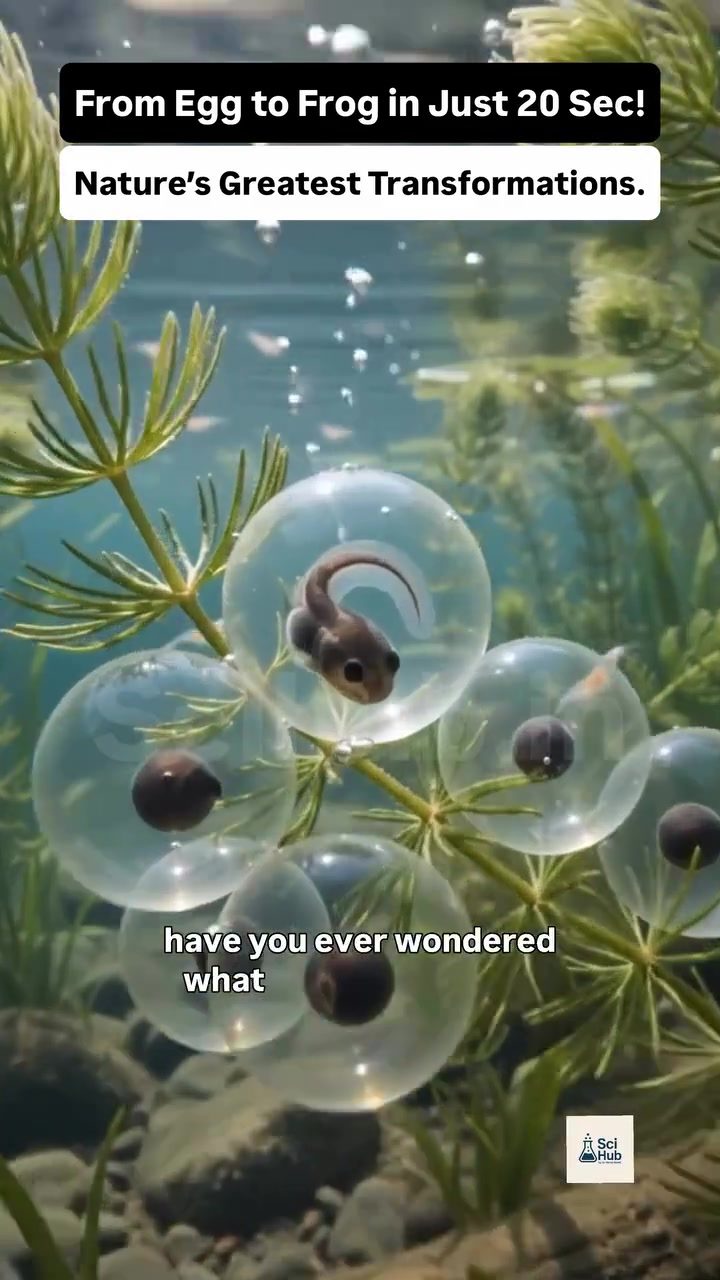
Frog Transformation
A frog's life cycle is a marvel of biological engineering, showcasing one of nature's most remarkable transformations. This journey begins with a tiny, seemingly insignificant egg and culminates in a fully developed adult frog, ready to thrive both in and out of water. Understanding this process offers insights into the intricate world of amphibian development and the wonders of metamorphosis.
Why This Matters
Frogs play a crucial role in various ecosystems, serving as both predators and prey. Their life cycle is a critical component of many aquatic and terrestrial habitats. By understanding the stages of a frog's transformation, we can better appreciate the delicate balance of these ecosystems and the importance of conservation efforts.
The Stages of Frog Metamorphosis
The metamorphosis of a frog is a complex process controlled by hormones and biological changes. It can be divided into several key stages, each with its unique characteristics and developments.
Early Development
The journey begins when a female frog lays her eggs in water. These eggs are typically covered in a jelly-like substance that provides protection and helps them float. Inside each egg, a tiny embryo develops. This embryo grows and wriggles within the protective jelly, preparing to hatch into its first form—a tadpole.
The Tadpole Stage
The tadpole is a fully aquatic larva with a distinct appearance. It has a long tail and gills that allow it to breathe underwater. At this stage, the tadpole is herbivorous, feeding on algae and other plant material. As it grows, its body begins to change, signaling the start of the metamorphosis process.
Leg Development
One of the most fascinating aspects of a frog's transformation is the development of its legs. First, hind legs appear, followed by front legs. This developmental sequence is driven by hormonal changes, particularly the thyroid hormone, which triggers the growth of limbs and the absorption of the tail.
The Froglet Stage
As the tadpole continues to grow, its lungs develop, allowing it to breathe air. The tail, which was crucial for swimming, begins to disappear. This stage is known as the froglet phase, where the creature starts to resemble a small frog but still retains some tadpole-like features. The froglet is now capable of living in both water and on land, marking a significant transition in its life cycle.
Emerging as an Adult Frog
The final stage of metamorphosis sees the froglet emerge from the water as a fully grown adult frog. This transformation is complete when the tail is fully absorbed, and the frog is ready to begin its terrestrial life. Adult frogs are carnivorous, feeding on insects and other small animals. They play a vital role in controlling insect populations and are a crucial food source for many predators.
The Science Behind Frog Metamorphosis
The metamorphosis of a frog is a testament to the remarkable biological processes that occur in the animal kingdom. Key factors driving this transformation include:
Hormonal Control
Hormones play a pivotal role in controlling the developmental stages of a frog. The thyroid hormone, in particular, is responsible for triggering the changes that occur during metamorphosis. This hormone is released in response to environmental cues, such as changes in temperature and day length, ensuring that the frog develops at the right time.
Genetic Programming
The genetic makeup of a frog is programmed to follow a specific developmental pathway. This programming ensures that each stage of metamorphosis occurs in a precise and predictable sequence, from the development of the embryo to the emergence of the adult frog.
Environmental Factors
Environmental factors, such as temperature, water quality, and availability of food, also influence the metamorphosis process. These factors can affect the rate and success of the transformation, highlighting the importance of a healthy ecosystem for the survival of frog populations.
Practical Tips for Observing Frog Metamorphosis
Observing the metamorphosis of a frog can be a rewarding experience for nature enthusiasts and scientists alike. Here are some practical tips for safely and responsibly observing this process:
Choose the Right Environment
Select a pond or aquatic habitat where frogs are known to breed. Look for areas with clear water and plenty of vegetation, as these provide ideal conditions for frog eggs and tadpoles.
Be Patient
Frog metamorphosis is a gradual process that can take several weeks. Be patient and observe the habitat regularly to catch each stage of development.
Use Non-Intrusive Methods
Avoid disturbing the frog eggs or tadpoles by using non-intrusive methods, such as observing from a distance with binoculars or a magnifying glass. Handle with care if you need to move or examine them.
Record Your Observations
Keep a journal or take photographs to document the different stages of metamorphosis. This can help you track the progress and better understand the timeline of the transformation.
Important Takeaways
The transformation of a frog from an egg to an adult is a fascinating process that highlights the intricacies of biological development. Key takeaways include:
- Complex Hormonal Control: Hormones, particularly the thyroid hormone, play a crucial role in driving the metamorphosis process.
- Critical Environmental Factors: The health and quality of the aquatic habitat greatly influence the success of frog metamorphosis.
- Conservation Efforts: Understanding and appreciating the life cycle of frogs can inspire conservation efforts to protect these vital animals and their habitats.
Conclusion
The life cycle of a frog is a testament to nature's ingenuity and the wonders of biological transformation. From a tiny egg to a fully grown adult, each stage of a frog's metamorphosis is a marvel of complex biological processes and environmental interactions. By observing and understanding this process, we can deepen our appreciation for the intricate web of life and the importance of preserving the habitats that support these remarkable creatures.
Watch the Reel
Questions readers ask
What are the key stages of a frog's life cycle?
A frog's life cycle consists of several key stages: the egg, tadpole, tadpole with legs, froglet and adult. Each stage involves significant physical changes as the frog develops from an aquatic creature into a terrestrial one.
How long does it take for a frog to complete its metamorphosis?
The duration of a frog's metamorphosis can vary by species and environmental conditions, but it typically takes several weeks to a few months. The process from egg to adult is intricately timed, allowing the frog to adapt to both aquatic and terrestrial environments.
What is the significance of the tadpole stage in a frog's life cycle?
The tadpole stage is crucial for a frog's development. During this stage, the tadpole lives entirely in water, developing gills for breathing and a tail for swimming. This stage prepares the frog for the dramatic changes that will follow as it grows into an adult.
When do frogs develop their legs during metamorphosis?
Frogs begin to develop their hind legs during the later part of the tadpole stage. The front legs typically emerge next, allowing the tadpole to start transitioning to a more terrestrial lifestyle, preparing for the froglet and adult stages.
How do frogs adapt to living both in water and on land?
Frogs undergo a remarkable transformation to adapt to both aquatic and terrestrial environments. As tadpoles, they have gills and a tail for swimming, but as they develop into froglets and adults, they lose their gills, grow lungs, and develop legs for land movement, showcasing nature's adaptability.
What role do frogs play in their ecosystems?
Frogs are vital components of many ecosystems, serving as both predators and prey. They help control insect populations and are a food source for larger animals. Understanding their life cycle stages and metamorphosis process highlights their ecological importance and the need for conservation efforts.
How does the frog's metamorphosis process contribute to the balance of nature?
The frog's metamorphosis is a prime example of nature's balance, as it transforms from an aquatic creature to one that can thrive on land. This process supports the health of ecosystems by maintaining insect populations and providing a food source for other animals, emphasizing the interconnectedness of all life cycles.
Related deep dives
Similar reads based on topic and creator.




Recent articles
Fresh deep dives from the latest Reels we unpacked.




Comments
Be the first to comment.