NASA Rocket Launch and the Unlikely Stowaway
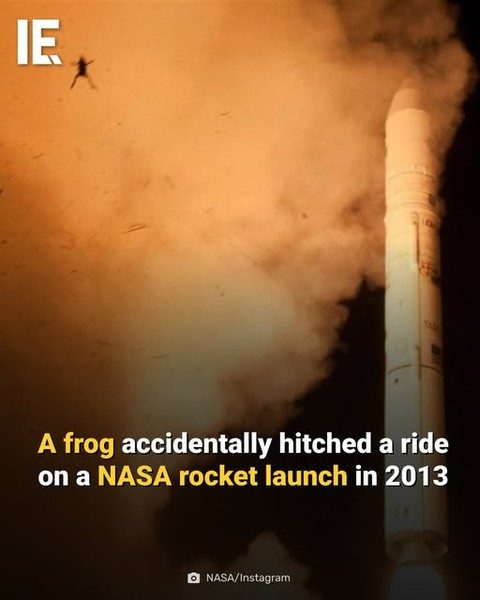
In 2013, during a routine rocket launch, NASA cameras captured an extraordinary and unexpected sight: a frog inadvertently launched into the air by the rocket’s powerful exhaust plume. The incident, documented by NASA, highlights the intense and dynamic environment surrounding a rocket launch site. This frog’s accidental journey offers a unique perspective on the hazards and environmental impacts of space exploration.
Context: The Extreme Environment of Rocket Launch Sites
Rocket launches are monumental events marked by immense power and precision. The launch pad is a hotbed of activity, where rockets generate extreme conditions such as intense heat, deafening noise, and powerful shockwaves. These conditions are not only crucial for the successful liftoff but also pose significant risks to the surrounding environment and wildlife.
The presence of a frog near the launch pad underscores the potential for wildlife to be affected by these extreme conditions. The frog, likely unwittingly positioned near the launch site, was caught in the exhaust plume and blasted into the air. This incident is a stark reminder of the far-reaching impact of rocket launches on the environment and the delicate ecosystems that surround launch sites.
The Rocket Launch and the Unseen Stowaways
Rocket launches are meticulously planned and executed, but the environment around the launch pad is often unpredictable. The frog’s accidental launch serves as a unique and unexpected element in the otherwise highly controlled environment. This event also underscores the importance of environmental monitoring and mitigation strategies during rocket launches.
A commonly overlooked aspect of space exploration is the potential impact on local wildlife. Rockets generate significant amounts of exhaust, heat, and pressure, which can affect not just the immediate vicinity but also the broader ecosystem. While the frog’s journey was brief and unlikely to have lasting effects, it highlights the importance of careful planning and mitigation to minimize environmental impact.
The Frog’s Journey and the Science Behind It
The incident involving the frog raises several questions about the science of rocket launches and their environmental impact. The powerful exhaust plume generated by the rocket is a critical component of its liftoff, providing the necessary thrust to overcome gravity. However, this exhaust can have unintended consequences, as seen in the frog’s accidental launch.
The exhaust plume is a mix of gases and particles, often reaching temperatures exceeding 3,000°C. The intense heat and pressure can displace air, creating a powerful shockwave that can affect nearby objects, including wildlife. The frog, likely caught in the exhaust plume, was propelled into the air, creating a surreal and somewhat comical image that has since become part of space exploration folklore.
The Wildlife Around Launch Sites
Launch sites are often chosen for their remote locations, minimizing the risk to human populations. However, these sites are not devoid of wildlife. The presence of the frog near the launch pad underscores the need for environmental assessments and protections to safeguard local ecosystems during rocket launches.
NASA and other space agencies conduct environmental impact assessments to evaluate the potential effects of rocket launches on the surrounding environment. These assessments help identify and mitigate risks to wildlife, but incidents like the frog’s accidental launch highlight the challenges and uncertainties involved.
Practical Tips for Wildlife Conservation around Launch Sites
To mitigate the impact on wildlife, space agencies and launch providers can adopt several best practices:
- Environmental Assessments: Regularly conduct environmental impact assessments to evaluate the potential risks to local ecosystems.
- Wildlife Monitoring: Implement wildlife monitoring programs to track the presence and behavior of animals near launch sites.
- Hazard Mitigation: Develop and implement strategies to minimize the impact of rocket exhaust and other hazards on wildlife.
- Public Awareness: Educate the public about the environmental impact of rocket launches and the need for conservation efforts.
Important Takeaways
The incident involving the frog during a NASA rocket launch serves as a unique and unexpected reminder of the environmental impact of space exploration. It highlights the importance of careful planning, environmental assessments, and mitigation strategies to minimize the impact on local ecosystems and wildlife.
Conclusion
The frog’s accidental journey during a NASA rocket launch is a fascinating and somewhat comical anecdote in the history of space exploration. However, it also serves as a reminder of the broader environmental impact of rocket launches and the need for careful planning and mitigation. By understanding and addressing these impacts, space agencies can continue to push the boundaries of exploration while safeguarding the delicate ecosystems that surround our launch sites.
Watch the Reel
Questions readers ask
What happened during the 2013 NASA rocket launch involving a frog?
During the 2013 rocket launch, a frog was accidentally launched into the air by the rocket's powerful exhaust plume, as captured by NASA cameras. This incident was an unexpected sight and highlighted the intense conditions at launch sites.
How did the frog end up in the path of the rocket's exhaust?
The frog was likely in the wrong place at the wrong time. Launch sites, while thoroughly monitored, can still harbor unexpected wildlife, leading to rare incidents like this one.
What environmental conditions are present during a rocket launch that could impact wildlife?
Rocket launches generate intense heat, loud noises, and powerful shockwaves. These conditions can be hazardous to any wildlife present in the vicinity, as seen in the 2013 incident.
What does this incident reveal about the environmental impact of space exploration?
The 2013 frog incident underscores the potential environmental impacts of space exploration, particularly the hazards that launches pose to local wildlife.
Have there been other instances of wildlife being affected by rocket launches?
While the 2013 frog incident is one of the more notable and documented cases, wildlife interactions with rocket launches are relatively rare due to the extensive safety measures in place. However, the potential for such incidents remains.
What measures does NASA take to prevent such incidents?
NASA employs various safety measures, including environmental assessments and wildlife monitoring, to minimize the impact on local wildlife. However, despite these efforts, unexpected events can still occur.
What was the outcome for the frog in the 2013 incident?
The outcome for the frog is not explicitly detailed, but the powerful forces involved in a rocket launch are likely to have been fatal. This incident serves as a reminder of the extreme conditions present during such events.
Related deep dives
Similar reads based on topic and creator.




Recent articles
Fresh deep dives from the latest Reels we unpacked.




Comments
Be the first to comment.