Coding and Friends
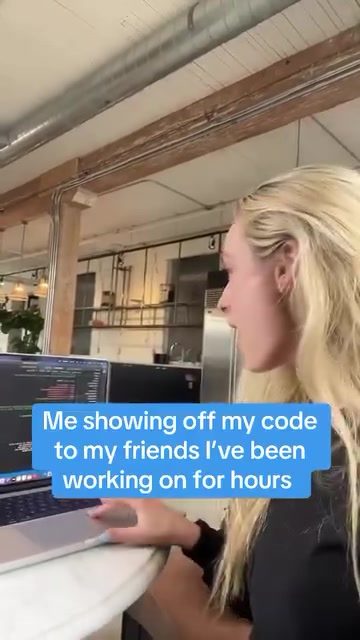
The excitement of showing off hours of coding work to friends, only to have them seem underwhelmed, is a familiar scenario for many developers. This situation, often humorous, highlights the passion and dedication developers pour into their projects, even if the end result isn't appreciated. Giving a lapse into the world of coding, let’s dive into some of the nuances surrounding this experience, the importance of technical skills, the value of friends’ feedback, and the reality of coding work.
Context / Why this matters
The experience of sharing your coding work often reveals a disconnect between the intensive effort and the lack of appreciation from your audience, including friends. This disconnect can be a bit disconcerting, especially when the code you have worked on for hours is met with a ‘meh’ attitude. Understanding this dynamic can help developers prepare for these reactions and appreciate the value of both their work and the feedback they receive.
The joy and frustration of coding
Coding is a rewarding but often challenging endeavor. The process involves solving complex problems, writing clean and efficient code, and ensuring that the final product functions as intended. However, it's frustrating when the hours of dedication translate into a simple button move in the eyes of an observer. The person showing off their code might feel underappreciated, and the friends, though trying to be supportive, might not fully grasp the intricacies.
The importance of friends' feedback
Feeding your passion and sharing your work with friends can be enriching, as many coders share their creations with friends. The reactions you get from friends can provide valuable perspectives that you might not consider. For example, they may highlight areas that need improvement or suggest new functionalities.
It’s also important to recognize that not everyone will understand the complexities of coding, but their reactions can provide a different kind of valuable feedback. This feedback can help you refine your communication skills, making it easier to explain technical concepts to non-technical audiences. It's a reminder that feedback, whether positive or negative, is a crucial part of the development process.
Demystifying the coding process
For the non-technical individual, coding can seem like a mysterious and esoteric art, involving lines of code and intricate algorithms. However, the reality is that coding is a highly logical and methodical process that breaks down complex problems into smaller, manageable parts. The excitement of solving these problems is often the driving force behind a coder's dedication.
Practical tips
Explaining technical work to non-technical friends
When sharing your coding work with friends, it can be useful to break it down into simpler terms. Explain the problem you were trying to solve, the steps you took to solve it, and the eventual outcome. This way, even if they don't understand the intricacies of the code, they can appreciate the effort and thought process that went into it.
Getting the right kind of feedback
To get the right kind of feedback, consider sharing specific aspects of your work. Instead of showing the entire code, focus on the more interesting or challenging parts. Or, if your friend is familiar with UX or UI, consider asking for their feedback on the user interface.
Embracing the iterative process
Coding is an iterative process, and it’s important to embrace this. Don’t be discouraged if your friends don’t see the value in your work immediately. Use their feedback as a starting point for improvement. The coding process often involves multiple iterations, and each iteration brings you closer to a better, more efficient solution.
Important takeaways
Coding can be a solitary activity, but sharing your work with friends can add a layer of excitement and validation. While their reactions might not always align with your efforts, it’s essential to appreciate the value of their feedback and the importance of clear communication.
Conclusion
The experience of showing off your coding work to friends is a defining moment in any developer’s journey. It’s a test of patience, a validation of effort, and a reminder of the complexities involved in coding. By embracing the iterative nature of coding and valuing the feedback of friends, developers can continue to refine their work and enhance their technical skills.
Watch the Reel
Questions readers ask
Why do friends sometimes struggle to understand the work that goes into a coding project?
Friends who don't code may not grasp the problem-solving, technical skills, and time investment required for a coding project. They might see only the final product, which can seem simple or uninteresting, without understanding the complexities involved in creating it.
How can a developer better communicate the passion behind coding to friends?
Use analogies and real-world comparisons to explain your coding passion. For example, compare coding to building or designing something intricate. It can also help to share specific challenges you faced and overcame, as this can make the process more relatable and engaging for non-developers.
What can a developer do when friends don't 'get' their coding projects?
First, remember that it's okay if friends don't fully appreciate your coding work. Try to focus on the aspects they might find interesting, such as the final product or the impact of your project. You can also guide them to resources that simplify coding concepts to help them better understand.
Why is it important for developers to share their coding work with friends?
Sharing your coding work can help you gain new perspectives and feedback, even if your friends don't understand the technical details. It can also strengthen your friendship, as you'll be sharing a part of yourself and your interests with others.
How can developers navigate conversations about coding with friends who don't code?
It's helpful to tailor your explanations based on your friends' interests. If they like a particular app or game, highlight how coding is involved in creating those. Also, ask about their interests and hobbies, to find common ground and make the conversation reciprocal. This can make the conversation more engaging and enjoyable for both parties.
Related deep dives
Similar reads based on topic and creator.


Recent articles
Fresh deep dives from the latest Reels we unpacked.




Comments
Be the first to comment.