Understanding the Misinterpretation of Friendliness
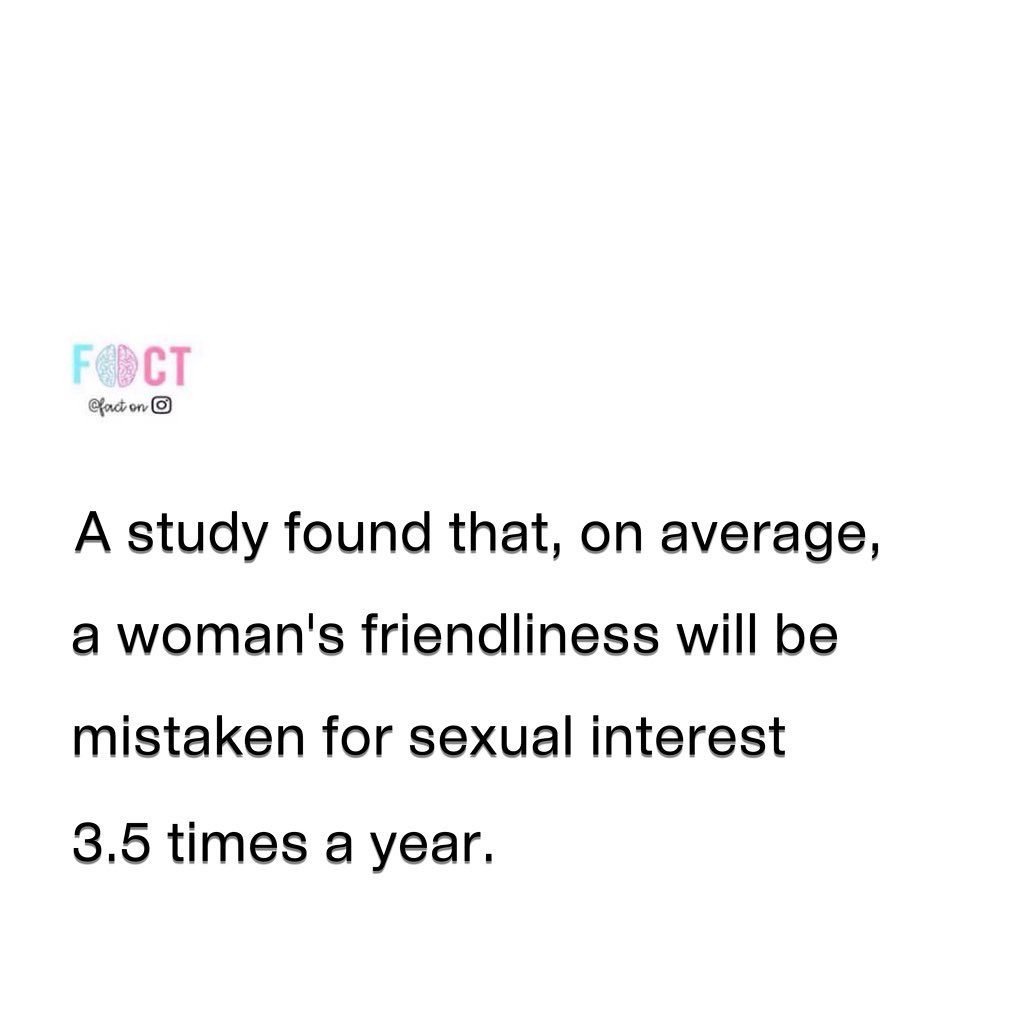
Friendliness is a universal trait that helps build connections and foster positive relationships. However, a study highlights an intriguing aspect of social interactions: how often a woman's friendliness is mistaken for sexual interest. This phenomenon is more common than many might realize, occurring an average of 3.5 times a year.
This statistic raises important questions about social dynamics, communication, and the nuances of human interaction. Understanding this misinterpretation can help navigate social situations more effectively and promote better communication.
Why This Matters
The misinterpretation of friendliness as sexual interest is a significant social issue that affects various aspects of daily life. It can lead to misunderstandings, awkward situations, and even more serious consequences. Recognizing and addressing this problem is crucial for fostering healthier and more respectful social interactions.
Impact on Social Interactions
Misinterpretation can strain relationships, create tension, and lead to miscommunication. It can also affect how people perceive and interact with one another, potentially causing discomfort or resentment. Understanding this phenomenon can help individuals approach social interactions with greater awareness and sensitivity.
Gender Dynamics
The study specifically mentions women, highlighting a gendered aspect of this issue. Women may face unique challenges in navigating social situations due to societal expectations and stereotypes. Addressing this discrepancy is essential for promoting gender equality and respect in social settings.
Dynamics of Misinterpretation
The Role of Social Cues
Social cues play a crucial role in how we interpret others' behavior. Friendliness, often expressed through smiling, positive body language, and open gestures, can be misinterpreted if not understood within the context of the situation. Cultural and personal differences can also influence how these cues are perceived.
Contextual Misunderstandings
Context is key in social interactions. What might be considered friendly behavior in one setting could be misinterpreted in another. For example, a friendly gesture in a professional environment might be viewed differently than in a social gathering. Being mindful of the context can help avoid misunderstandings.
Nonverbal Communication
Nonverbal communication, including facial expressions, body language, and tone of voice, significantly impacts how messages are conveyed and received. Misinterpretation often arises from misreading these nonverbal cues. Paying attention to both verbal and nonverbal signals can enhance communication clarity.
Practical Tips for Navigating Social Interactions
Clarify Intentions
Being clear about your intentions can prevent misinterpretation. If you feel that your friendliness might be misunderstood, it might be helpful to communicate your intentions directly but tactfully. For example, "I appreciate our conversation and enjoy your company, but I want to make sure you understand that I'm only interested in a friendly, non-romantic relationship."
Read Social Cues
Paying attention to others' social cues can help you gauge their intentions and respond appropriately. If someone seems uncomfortable or misinterprets your friendliness, address the situation diplomatically to avoid further misunderstandings.
Foster Open Communication
Open communication is key to building strong, respectful relationships. Encourage open dialogue where both parties feel comfortable expressing their thoughts and feelings. This approach can help prevent misinterpretation and foster deeper connections.
Promote Gender Awareness
Promoting gender awareness in social interactions can help address the specific challenges faced by women. Encouraging respectful behavior and understanding the unique pressures women face in social settings can contribute to more equitable and respectful interactions.
Important Takeaways
The misinterpretation of friendliness as sexual interest is a common yet often overlooked aspect of social interactions. Recognizing this phenomenon and its implications can help prevent misunderstandings, foster better communication, and promote respectful relationships.
- Be Clear and Direct: Clearly communicating your intentions can prevent misunderstandings and ensure that others understand your motivations.
- Pay Attention to Context: The context of a social interaction greatly influences how behavior is perceived. Being mindful of the setting can help avoid misinterpretation.
- Understand Nonverbal Cues: Nonverbal communication plays a significant role in how messages are conveyed and received. Paying attention to both verbal and nonverbal signals can enhance communication clarity.
- Promote Open Communication: Encouraging open and respectful dialogue can help build stronger, more understanding relationships.
Conclusion
Friendliness is a valuable trait that enhances social interactions and fosters connections. However, the misinterpretation of friendliness as sexual interest highlights the complexities of human communication. By understanding this phenomenon, being mindful of social cues, and promoting open and respectful communication, we can navigate social interactions more effectively and build stronger, more meaningful relationships.
Watch the Reel
Questions readers ask
Why is women's friendliness often misinterpreted as sexual interest?
Women's friendliness can be misinterpreted due to deep-rooted gender stereotypes and societal expectations. These biases often lead people to assume that a woman's kindness is motivated by romantic or sexual intentions, rather than genuine pleasantry or professionalism.
How common is the misinterpretation of women's friendliness?
A study found that, on average, women experience their friendliness being misinterpreted as sexual interest about 3.5 times a year. This frequent occurrence highlights the prevalence of this issue in daily social interactions.
What are the potential consequences of misinterpreting a woman's friendliness as sexual interest?
This misinterpretation can lead to a variety of consequences, ranging from awkward or tense social situations to more serious issues, such as unwanted advances or a hostile work environment. It can also negatively impact a woman's professional reputation or personal relationships.
How can one avoid misinterpreting a woman's friendliness in social situations?
To avoid misinterpretation, it's essential to practice active listening and observe the context of the interaction. Pay attention to the woman's body language, the setting, and the nature of the conversation. If unsure, it's always best to clarify your intentions or ask respectful questions to avoid misunderstandings.
What steps can be taken to address the misinterpretation of women's friendliness in the workplace?
Employers should promote awareness of this issue through training and clear communication policies, encourage open dialogue, and implement policies that discourage inappropriate behavior. Additionally, fostering a culture of respect and sensitivity can help mitigate instances of misinterpretation and create a more inclusive work environment.
How can women navigate situations where their friendliness is misinterpreted?
Women can navigate these situations by setting clear boundaries, directly addressing the misinterpretation if comfortable, and seeking support from friends, colleagues, or appropriate authorities if the situation becomes uncomfortable or hostile. It's also important for women to trust their instincts and prioritize their comfort and safety.
What role do gender dynamics play in the misinterpretation of women's friendliness?
Gender dynamics significantly contribute to this issue, as societal expectations and power imbalances often lead men to assume that a woman's friendliness is a sign of romantic or sexual interest. Recognizing these dynamics is the first step in addressing the issue and promoting healthier, more respectful interactions.
Recent articles
Fresh deep dives from the latest Reels we unpacked.




Comments
Be the first to comment.