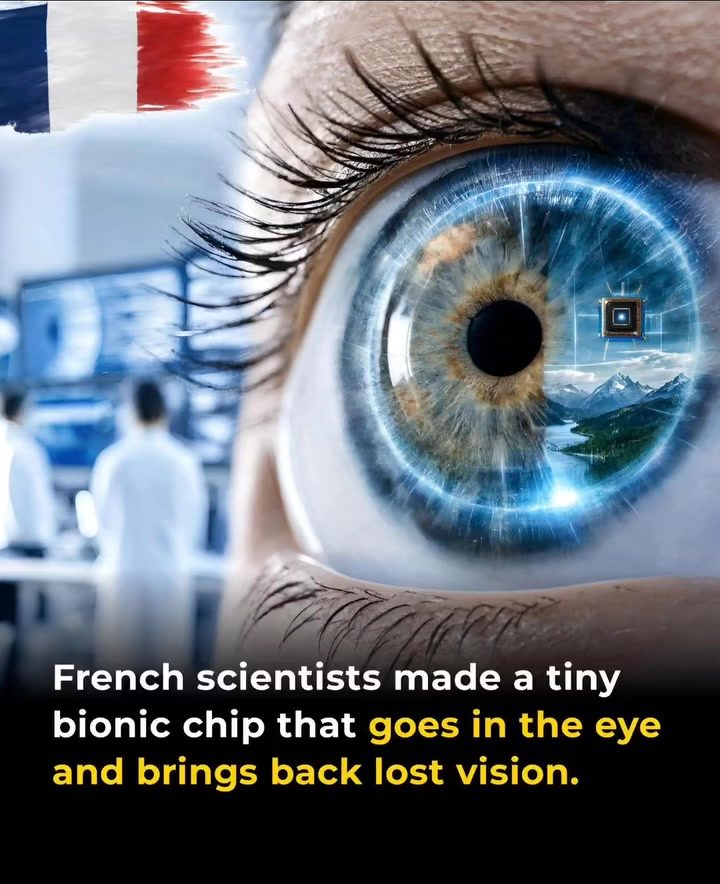
Bionic Eye Chips: Revolutionizing Vision Restoration
The development of a tiny electronic chip, designed to be implanted in the eye, marks a significant advancement in vision restoration technology. French scientists have created this innovative medical device, known as PRIMA, which is currently being tested by researchers at leading institutions, including Stanford University. This chip aims to restore vision in people suffering from an advanced form of age-related vision loss, where the eye's light-sensing cells no longer function properly.
Why Bionic Eye Chips Matter
The impact of vision loss on individuals and society is profound. Age-related macular degeneration (AMD) is one of the leading causes of vision loss in older adults. AMD affects the macula, the central part of the retina responsible for sharp, central vision. This condition can lead to significant impairment in daily activities, including reading, driving, and recognizing faces. The development of bionic eye chips, like PRIMA, offers a beacon of hope for those affected by such conditions.
Understanding Bionic Eye Chips
What is a Bionic Eye Chip?
A bionic eye chip is a sophisticated electronic device designed to mimic the functionality of the eye's natural light-sensing cells. These chips are tiny, measuring just a few millimeters in size, and are implanted directly into the eye. The primary goal is to restore some level of vision by sending signals to the brain that can be interpreted as visual images.
How Does PRIMA Work?
PRIMA, the bionic eye chip developed by French scientists, is specifically designed for individuals with advanced forms of age-related vision loss. The chip is implanted in the eye and takes over the function of the damaged light-sensing cells. It captures light, converts it into electronic signals, and sends these signals to the brain, where they are interpreted as visual images. This process effectively bypasses the damaged cells, allowing the brain to receive visual information.
The Science Behind the Technology
The technology behind bionic eye chips involves complex engineering and advanced materials. The chip itself is made from biocompatible materials that are safe for implantation in the human body. It contains microelectrodes that are designed to interface with the eye's neural tissue, converting light into electrical signals that the brain can interpret.
Current Research and Testing
The PRIMA chip is currently undergoing extensive testing, with teams at Stanford University and other research institutions closely monitoring its progress. Eye health groups, such as Fighting Blindness Canada and OptikNow, are also following the developments with great interest. Preliminary results from clinical trials are encouraging, showing that the chip can indeed restore some level of vision in patients with severe vision loss. However, the technology is still in the experimental phase and is not yet available as a regular treatment option.
Practical Tips for Those Interested in Bionic Eye Chips
Keep Informed
Stay updated on the latest developments in bionic eye technology. Research institutions and eye health organizations often publish updates and findings that can provide valuable insights.
Consult Professionals
If you or a loved one is affected by age-related vision loss, consult with ophthalmologists or vision specialists who can provide personalized advice and information about potential treatments, including bionic eye chips.
Participate in Clinical Trials
Clinical trials are crucial for the advancement of medical technology. If you meet the criteria, consider participating in clinical trials for bionic eye chips. This not only provides access to cutting-edge treatment but also contributes to the overall progress of the technology.
Important Takeaways
Bionic eye chips represent a significant leap in vision restoration technology, offering hope to individuals with severe vision loss.
The PRIMA chip, developed by French scientists, is currently being tested and shows promising results in clinical trials.
While the technology is not yet widely available, ongoing research and development hold the potential for even greater advancements in the future.
Staying informed, consulting with professionals, and considering participation in clinical trials are practical steps for those interested in this innovative technology.
Conclusion
The development of bionic eye chips, such as the PRIMA device, represents a groundbreaking advancement in the field of vision restoration. By taking over the function of damaged light-sensing cells and sending signals to the brain, these chips offer a potential solution for individuals suffering from severe vision loss. As research continues and technology improves, the future of vision restoration looks brighter than ever. For those affected by vision loss, staying informed and considering participation in clinical trials can provide access to these innovative treatments and contribute to their ongoing development.
Watch the Reel
Questions readers ask
How does the PRIMA bionic chip work to restore vision?
The PRIMA chip is designed to bypass damaged light-sensing cells in the eye. It sends visual signals to the brain, allowing users to perceive light and shapes, which aids in basic navigation and object recognition.
Who can benefit from the PRIMA bionic chip?
The PRIMA chip is specifically designed for individuals with advanced age-related macular degeneration (AMD) and other forms of advanced age-related vision loss, who have lost significant sight due to the deterioration of light-sensing cells in the eye.
What is the current status of the PRIMA bionic chip?
As of now, the PRIMA bionic chip is undergoing testing at leading institutions, including Stanford University. These trials are crucial for gathering data on the chip's safety and effectiveness before it becomes widely available.
Can the PRIMA chip restore full vision?
The PRIMA chip aims to restore some level of sight, enabling users to perceive light and shapes, but it may not restore full vision. Its primary goal is to improve the quality of life for individuals with advanced vision loss by providing a degree of visual functionality.
What makes the PRIMA chip different from other vision restoration technologies?
The PRIMA chip is unique due to its small size and direct implantation within the eye. This design allows it to integrate more effectively with the eye's existing structures, potentially offering a more natural and seamless visual experience compared to other technologies.
How does the PRIMA chip send signals to the brain?
The PRIMA chip uses electrical signals to stimulate the remaining retinal cells, which then transmit information to the brain. This process allows the brain to interpret the signals as visual information, enabling the user to perceive basic visual perceptions.
What are the potential risks associated with the PRIMA bionic chip?
As with any medical implant, there are potential risks such as infection, inflammation, and complications from surgery. Additionally, not all users may experience vision improvement, and some may not tolerate the implant. Ongoing research and clinical trials are crucial for assessing these risks and improving the technology.
Related deep dives
Similar reads based on topic and creator.


Recent articles
Fresh deep dives from the latest Reels we unpacked.




Comments
Be the first to comment.