France Bans Wild Animals in Circuses: A Major Step for Animal Welfare
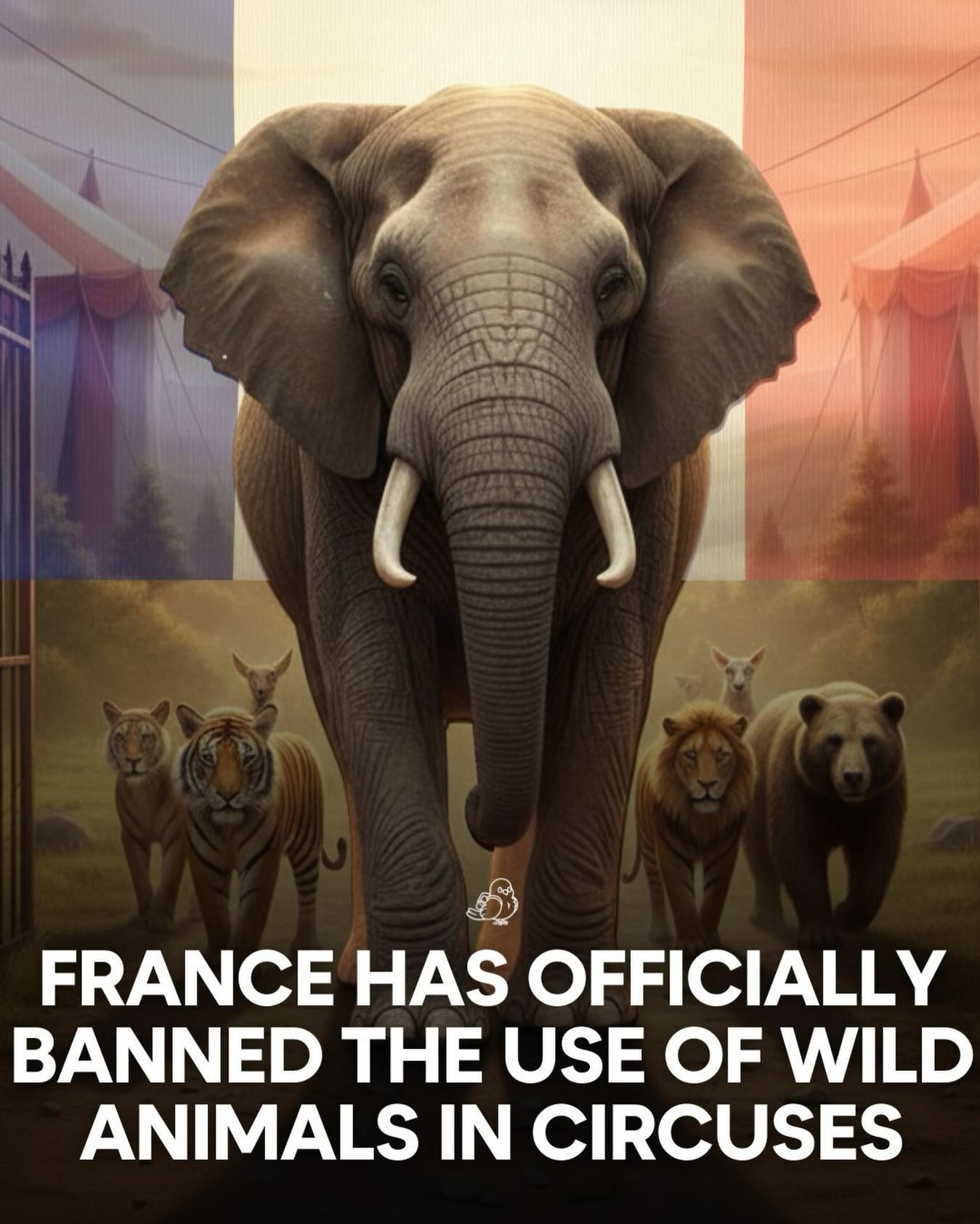
France's recent ban on the use of wild animals in circuses marks a significant milestone in the fight for animal welfare and ethical entertainment. This decision, which prohibits the breeding, acquisition, and live performance of wild animals, reflects a growing global trend towards more humane and cruelty-free practices. The image of an elephant in the foreground with tigers and bears in the background serves as a powerful visual reminder of the ethical issues at stake.
Context: Why This Matters
The decision to ban wild animals in circuses is part of a broader movement to improve animal welfare and promote ethical treatment of wildlife. This move is significant for several reasons. It addresses long-standing concerns about the confinement, transport conditions, and training methods that can cause stress and long-term harm to animals. By prohibiting the use of wild animals in traveling circuses, France is taking a major step towards ensuring that these animals are treated with the dignity and respect they deserve.
Understanding the Ban
The Legal Framework
The ban prohibits the breeding, acquisition, and live performance of wild animals in traveling circuses. It covers a wide range of species, including lions, tigers, and elephants. This comprehensive approach ensures that animals are protected from the harmful conditions associated with circus life. Existing animals are being gradually relocated to sanctuaries and care centers that can better meet their needs, providing them with a more suitable and humane environment.
The Impact on Animal Welfare
The ban addresses critical issues related to the well-being of wild animals in circuses. Confinement, transport conditions, and training methods have long been sources of concern for animal rights groups. These practices often involve stress and long-term harm to animals, leading to calls for more ethical treatment. By relocating existing animals to sanctuaries and care centers, the ban aims to alleviate these problems and ensure that animals receive the care they need to thrive.
The Role of Public Pressure
The ban is a result of years of pressure from animal rights groups and the broader public. These groups have highlighted the ethical issues surrounding the use of wild animals in circuses, drawing attention to the need for more humane practices. The decision to ban wild animals in circuses reflects a growing public awareness and concern for animal welfare, signaling a shift towards more ethical and cruelty-free cultural practices.
The Global Trend
Countries Leading the Way
France joins a growing list of countries that have taken similar steps to ban the use of wild animals in circuses. This trend reflects a broader global movement towards ethical entertainment and animal welfare. By taking this step, France is aligning itself with other countries that prioritize the well-being of animals and promote more humane practices.
The Shift Towards Ethical Entertainment
The ban on wild animals in circuses signals a shift towards ethical entertainment. It reflects a growing consensus that animals should not be exploited for the sake of entertainment. By banning the use of wild animals, France is promoting a more compassionate and respectful approach to entertainment, one that prioritizes the well-being of animals over profit.
Public and Political Support
The decision to ban wild animals in circuses enjoys widespread public and political support. This support reflects a growing awareness of the ethical issues surrounding the use of wild animals in entertainment. It also underscores the importance of public pressure in driving policy changes that promote animal welfare.
Practical Tips
For those who care about animal welfare, there are several practical steps you can take to support this cause:
Support Animal Sanctuaries
Supporting sanctuaries and care centers that provide a safe and humane environment for wild animals is a crucial way to contribute to their well-being. By donating or volunteering at these institutions, you can help ensure that animals receive the care and attention they need.
Advocate for Ethical Entertainment
Advocating for ethical entertainment practices is another important step. This can involve supporting organizations that promote the ethical treatment of animals and raising awareness about the issues surrounding the use of wild animals in entertainment.
Stay Informed
Staying informed about the latest developments in animal welfare and ethical entertainment is also essential. By keeping up with the news and participating in discussions, you can help promote awareness and drive change.
Important Takeaways
The ban on wild animals in circuses in France is a significant step towards improving animal welfare and promoting ethical entertainment. It addresses long-standing concerns about the treatment of wild animals in circuses and reflects a growing global movement towards more humane practices. By supporting animal sanctuaries, advocating for ethical entertainment, and staying informed, you can play a role in promoting these important causes.
Conclusion
As we move towards a more compassionate and respectful approach to animal welfare, the ban on wild animals in circuses serves as a powerful reminder of the importance of ethical treatment. By taking this step, France is leading the way in promoting more humane practices and signaling a shift towards ethical entertainment. Whether through supporting sanctuaries, advocating for better practices, or staying informed, there are many ways to contribute to this important cause.
Watch the Reel
Questions readers ask
What types of animals are affected by France's circus ban?
The ban applies to all wild animals, including but not limited to, tigers, lions, elephants, and bears. These animals are often subjected to harsh conditions and stressful environments in circuses, making this ban a significant step towards improving their welfare.
How does France's ban on wild animals in circuses align with global trends?
France's ban mirrors similar legislation in other countries, such as the United Kingdom, Austria and Bolivia, reflecting a growing global consensus that wild animals should not be used in traveling circuses for ethical and welfare reasons.
Will existing circus animals be grandfathered in under the new law?
No, the ban is quite comprehensive. It prohibits not only the future use of wild animals in circuses but also the breeding and acquisition of new animals. This ensures that the practice of keeping and performing with wild animals in circuses becomes obsolete.
What are the main welfare issues associated with wild animals in circuses?
Wild animals in circuses often face severe confinement, stressful transport conditions, and harsh training methods. These factors contribute to chronic stress, psychological issues, and even physical injuries, all of which are addressed by France's ban.
How will France enforce this ban on wild animals in circuses?
France's enforcement will likely involve regular inspections and stringent penalties for circuses that violate the new regulations. The government may also provide support for circuses to transition to animal-free performances.
What alternatives are available for circuses after France's wild animal ban?
Circuses can explore a variety of alternatives, such as animal-free performances that focus on acrobats, clowns, and other forms of human entertainment. Some modern circuses have already successfully made this transition, emphasizing creativity and audience engagement without animal acts.
Recent articles
Fresh deep dives from the latest Reels we unpacked.




Comments
Be the first to comment.