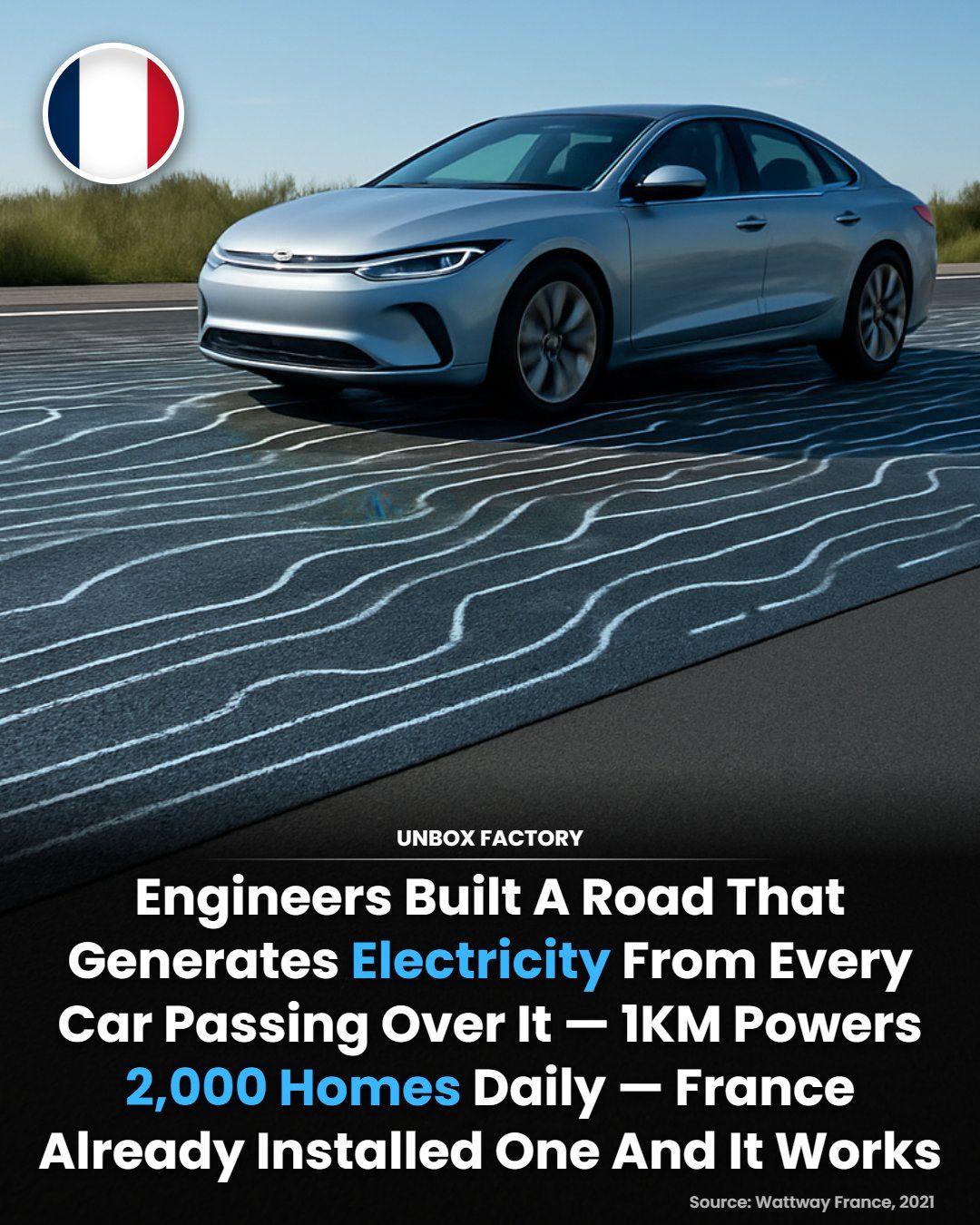
Electric Road Generation
Solar energy and transportation infrastructure converge in an innovative solution developed by French engineers. Known as Wattway, this technology involves embedding durable solar panels into the road surface, which generate electricity from the movement of vehicles. By integrating renewable energy into our existing roadways, Wattway offers a unique approach to powering homes and reducing our environmental footprint.
Context / Why this matters
The demand for sustainable energy solutions is more critical than ever. As global populations grow, so does the need for efficient, renewable energy sources. Traditional solar farms often require significant land use, competing with agricultural land and ecosystems. Similarly, rooftop solar panels, while effective, have limited installation potential in densely populated urban areas. Wattway's innovative design addresses these challenges by transforming existing roads into renewable energy infrastructure, thereby reducing land-use competition and providing an efficient, scalable solution.
Main discussion
How Wattway works
Wattway technology involves embedding thin, durable solar panels directly into the road surface. These panels are designed to withstand the weight and pressure of regular vehicle traffic. Each time a vehicle passes over the solar panels, they generate electricity, which can then be harnessed and distributed to homes and businesses. The innovation lies in its simplicity and practicality, as it leverages an existing infrastructure that is already in place.
The benefits of solar roads
One of the most compelling advantages of Wattway technology is its ability to power a significant number of homes. A 1-kilometer stretch of Wattway road can generate enough electricity to meet the annual needs of around 2,000 households, depending on local sunlight conditions. This makes it a highly efficient and scalable solution for urban and rural areas alike.
One of the primary challenges with traditional solar energy solutions is the need for large, open spaces to install solar panels. This often means competing with agricultural land and natural habitats. By embedding solar panels within the road surface, Wattway technology eliminates the need for additional land, making it a more environmentally friendly option. This is particularly beneficial in areas where land is at a premium.
Practical applications
The Wattway technology has already been successfully installed in France, proving its feasibility and effectiveness. This installation demonstrates the practicality of integrating renewable energy into existing infrastructure. By generating electricity from the movement of vehicles, Wattway roads not only produce clean energy but also reduce the carbon footprint associated with transportation.
Practical tips
How to support and implement solar road technology
For those interested in supporting and promoting solar road technology, there are several practical steps that can be taken:
- Advocate for Policy Changes: Advocate for local and national policies that incentivize the development and deployment of solar roads. This can include tax incentives, research grants, and regulatory support.
- Engage with Local Authorities: Reach out to local authorities and transportation departments to discuss the potential benefits of solar road technology. Encourage pilot projects and demonstrations to showcase the technology's effectiveness.
- Join Community Initiatives: Participate in community initiatives and advocacy groups that support renewable energy and sustainable infrastructure. These groups can provide valuable resources and opportunities for collaboration.
Investing in solar road technology
For investors interested in supporting solar road technology, there are several avenues to explore:
- Venture Capital and Startups: Invest in startups and companies that are developing and deploying solar road technology. This can provide a financial return while also contributing to a more sustainable future.
- Public-Private Partnerships: Collaborate with public entities and private companies to implement solar road projects. These partnerships can leverage government funding and expertise while also providing financial stability for private investors.
Community and private sector collaboration
Collaboration between the community, private sector, and government is essential for the successful implementation of solar road technology. By working together, stakeholders can share resources, expertise, and funding to accelerate the deployment of this innovative solution.
- Research and Development: Encourage collaboration between universities, research institutions, and private companies to advance solar road technology. This can involve joint research projects, technology development, and pilot programs.
- Public Awareness: Raise public awareness about the benefits of solar road technology through public forums, community events, and educational initiatives. This can help build support for the technology and encourage local adoption.
Important takeaways
- Efficiency and Scalability: Wattway technology offers a highly efficient and scalable solution for generating renewable energy. A 1-kilometer stretch of Wattway road can power 2,000 homes daily, making it a practical option for both urban and rural areas.
- Environmental Benefits: By integrating solar panels into the road surface, Wattway technology reduces the need for additional land, making it a more environmentally friendly option compared to traditional solar farms.
- Implementation and Expansion: The successful installation of Wattway technology in France demonstrates its feasibility and effectiveness. Continued research, policy support, and community engagement are essential for its wider adoption.
Conclusion
The Wattway technology represents a significant breakthrough in the integration of renewable energy and transportation infrastructure. By transforming existing roads into renewable energy sources, Wattway offers a practical, efficient, and environmentally friendly solution to the challenges of sustainable energy. As the technology continues to evolve, its potential for widespread adoption and impact is immense. By embracing and investing in this innovation, we can take a significant step towards a more sustainable and energy-efficient future.
Watch the Reel
Questions readers ask
How does Wattway technology generate electricity from road surfaces?
Wattway technology generates electricity by integrating durable solar panels directly into the road surface. As vehicles travel over these surfaces, the solar panels absorb sunlight and convert it into electrical energy, which can then be used to power homes and other infrastructure.
What are the benefits of using solar panel roads over traditional solar farms?
Solar panel roads, such as those using Wattway technology, address land-use competition by utilizing existing road infrastructure. This means they do not compete with agricultural land or natural ecosystems, as traditional solar farms often do. Additionally, they provide a more space-efficient way to generate renewable energy in densely populated areas.
How does Wattway technology contribute to reducing environmental impact?
By generating electricity from renewable solar energy, Wattway technology helps to reduce reliance on fossil fuels. This not only decreases greenhouse gas emissions but also lowers the environmental footprint associated with traditional power generation methods, such as coal or gas plants.
Can solar panel roads withstand the wear and tear of vehicle traffic?
Yes, the solar panels used in Wattway technology are specifically designed to be durable and withstand the rigors of vehicle traffic. They are built to last and can support the weight and movement of vehicles without significant degradation, ensuring long-term efficiency and reliability.
How does Wattway technology help in powering homes and infrastructure?
The electricity generated by Wattway solar roadways can be directly integrated into the existing power grid. This means that the renewable energy produced can be used to power homes, businesses, and other infrastructure, providing a sustainable and efficient energy solution.
What makes France's Wattway technology unique compared to other renewable energy solutions?
Wattway stands out due to its innovative approach of embedding solar panels into road surfaces, thereby optimizing the use of existing infrastructure. This dual-purpose use of roadways not only conserves land but also offers a scalable solution for urban and rural areas alike, making it a distinctive and impactful renewable energy solution.
Is Wattway technology scalable for use in other countries?
Yes, Wattway technology is designed to be scalable and adaptable to various environments and infrastructure. Countries with extensive road networks can integrate this technology to harness solar energy efficiently, making it a viable solution for addressing renewable energy needs on a global scale.
Related deep dives
Similar reads based on topic and creator.




Recent articles
Fresh deep dives from the latest Reels we unpacked.




Comments
Be the first to comment.