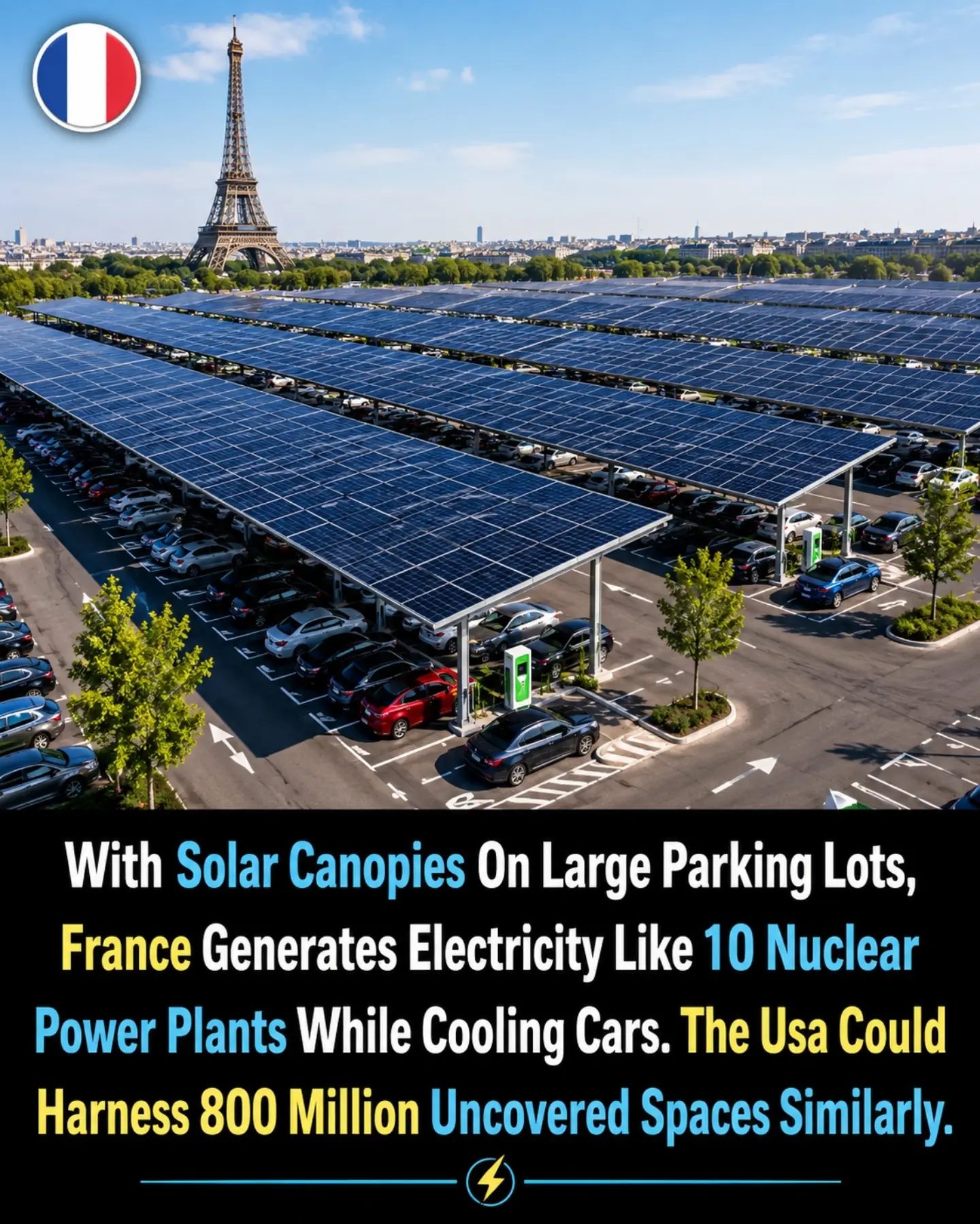
Solar Power and Parking: Harnessing the Sun's Energy in Urban Spaces
Solar panels installed over parking lots are revolutionizing the way we think about both renewable energy and urban planning. By utilizing large, often underused parking areas, this innovative approach not only generates significant electricity but also provides practical benefits for drivers.
Context / Why this matters
The integration of solar canopies on parking lots is a strategic move that addresses two critical issues: the need for renewable energy sources and the efficient use of urban space. In densely populated areas, parking lots can occupy vast tracts of land, making them ideal candidates for solar installations. This approach not only maximizes the use of available space but also reduces the carbon footprint of urban areas by harnessing the power of the sun.
Main discussion
France's Leading Example
France has set a remarkable example with its solar canopies over large parking lots. These installations are not just about generating electricity; they also provide shade and cooling for parked cars, making them a dual-purpose solution. The scale of this initiative is impressive: the electricity generated by these solar canopies is comparable to the output of 10 nuclear power plants. This demonstrates the immense potential of solar energy when deployed on a large scale.
However, the environmental benefits extend beyond electricity production. By providing shade, these canopies can significantly reduce the heat absorbed by parked cars. This not only improves the comfort of drivers but also has a positive impact on the urban heat island effect, which can exacerbate temperature increases in densely populated areas.
The American Potential
The United States has a vast amount of untapped potential for similar solar canopy installations. With approximately 800 million uncovered parking spaces, the opportunity to harness this underutilized space is enormous. Imagine transforming these expanses into renewable energy generators, reducing the reliance on fossil fuels and contributing to a more sustainable future.
The Benefits of Solar Canopies
- Renewable Energy Generation: By converting parking lots into solar farms, cities can significantly increase their renewable energy production. This not only reduces reliance on fossil fuels but also helps in meeting sustainability goals.
- Shade and Cooling: Solar canopies provide much-needed shade, particularly in hotter regions. This cooling effect can make a significant difference in the comfort levels of drivers and passengers.
- Efficient Use of Space: Parking lots are often underutilized, especially in urban areas. Turning them into solar farms ensures that every inch of available space is put to good use.
- Environmental Impact: Solar energy is a clean source of power, reducing greenhouse gas emissions and contributing to a healthier environment.
Practical tips
If you're considering implementing solar canopies in your community or business, here are some practical tips to get you started:
- Assess Your Space: Begin by evaluating the size and suitability of your parking lots or open spaces. Larger, uninterrupted spaces are ideal for solar canopy installations.
- Consult with Experts: Work with renewable energy experts to understand the technical aspects, such as the type of solar panels, their installation, and maintenance requirements.
- Calculate Potential Output: Determine the potential energy output based on the size of your parking lot and the amount of sunlight it receives. This will help you understand the financial and environmental benefits.
- Community Engagement: Engage with your community to build support for the project. Highlight the benefits, such as reduced energy bills and environmental impact.
- Secure Funding: Look into grants, incentives, and financing options for renewable energy projects. Many governments offer subsidies to encourage the adoption of solar power.
Important takeaways
The integration of solar canopies over parking lots is a practical and efficient way to harness renewable energy. By generating electricity from underutilized spaces, cities can reduce their carbon footprint and improve the urban environment. This approach not only benefits the community but also sets a precedent for sustainable urban planning. As more cities and businesses adopt this model, the collective impact on energy production and environmental conservation will be significant.
Conclusion
Solar canopies over parking lots are a win-win solution for generating renewable energy and optimizing urban space. By following the lead of countries like France and tapping into the vast potential in the USA, we can create a more sustainable future. Whether you're a community leader, business owner, or simply an environmentally conscious individual, exploring this innovative approach can make a tangible difference in our quest for a greener planet.
Watch the Reel
Questions readers ask
How do solar canopies over parking lots contribute to France's renewable energy goals?
Solar canopies over parking lots generate significant electricity by harnessing sunlight, which reduces the reliance on non-renewable energy sources. This contributes to France's renewable energy goals by increasing the amount of clean, solar power fed into the grid.
What are the benefits of solar canopies for drivers?
Solar canopies offer several benefits to drivers, including shade for their vehicles, which helps to keep them cool and protect them from sun damage. Additionally, these structures can provide EV charging stations, enhancing convenience for electric vehicle owners.
Why are parking lots ideal locations for large-scale solar installations?
Parking lots are often expansive and underutilized, making them perfect for large-scale solar installations. By installing solar canopies, these spaces can be repurposed to generate electricity while still serving their original function, making them dual-purpose structures.
How do solar-powered parking lots fit into sustainable urban planning?
Incorporating solar-powered parking lots into urban planning helps to address the need for renewable energy and efficient use of land. By installing solar canopies, cities can maximize the use of available space, reduce carbon emissions, and promote a more sustainable urban environment.
What are the practical advantages of using solar canopies in urban spaces?
Solar canopies in urban spaces provide practical advantages such as cooling effects for both vehicles and buildings below, as well as reducing the urban heat island effect. They also add aesthetic value and potential noise reduction benefits.
How do solar car canopies benefit the environment?
Solar car canopies reduce greenhouse gas emissions by generating clean electricity, which decreases the demand for power from fossil fuel sources. Additionally, they can help to mitigate the environmental impact of urban heat islands by providing shade and cooling effects.
What is the process of installing solar canopies over existing parking lots?
Installing solar canopies involves assessing the structural integrity of the existing parking lot to ensure it can support the additional weight of the solar panels. Engineers design the canopy to optimize solar exposure, and then the solar panels are mounted on a supporting framework, which is installed over the parking spaces.
Recent articles
Fresh deep dives from the latest Reels we unpacked.




Comments
Be the first to comment.